
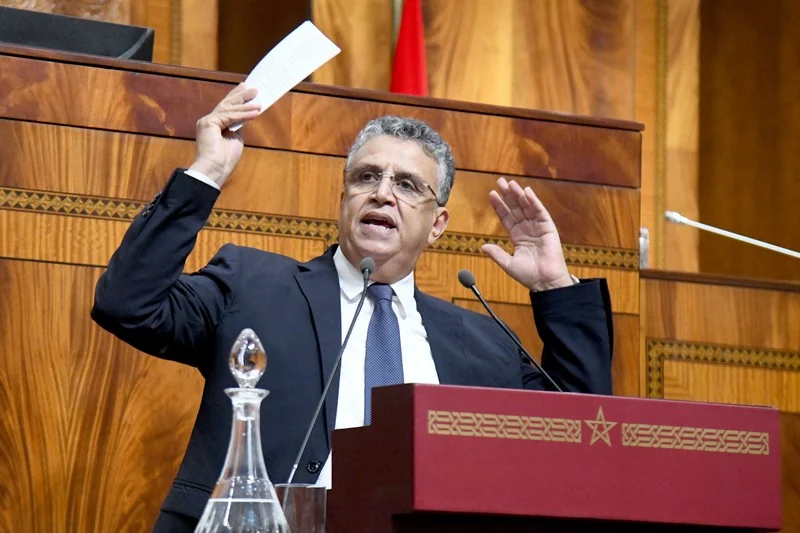
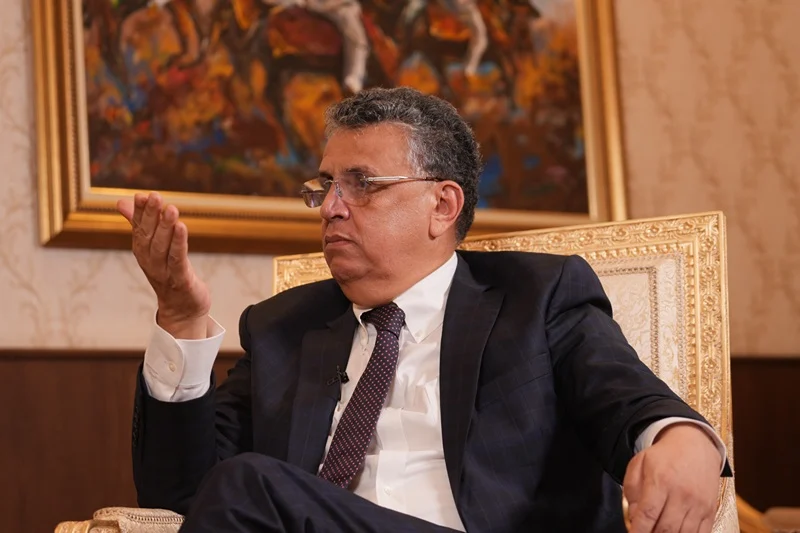
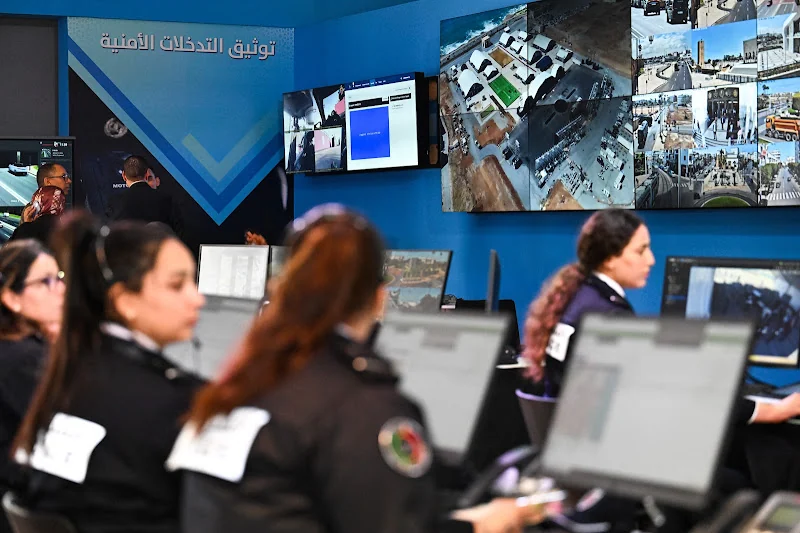
In response to the rise in cybercrime, Morocco is adapting its legal framework to ensure the protection of its citizens and their privacy. The country is implementing robust mechanisms to combat these threats while ratifying relevant international conventions, according to Minister of Justice Abdellatif Ouahbi.
Like many nations, Morocco has undergone a revolution in communication technologies. Artificial intelligence now plays a major role in various aspects of daily life, significantly impacting economic, social, and legal sectors.
In a written response to a parliamentary question from Popular Movement (MP) Deputy Ibrahim Abba, Ouahbi emphasized that this technological evolution presents new challenges, particularly amid a growing number of internet users and an expansion of remote transactions, which has fueled an increase in cybercrimes.
Since 2003, Morocco has been updating its legal framework to address gaps in cybercrime legislation. The Penal Code has been reinforced with provisions that criminalize and penalize attacks on automated data processing systems. Additional legal measures were introduced under the new Military Justice Law, focusing on cybercrimes targeting information systems and websites administered by national defense authorities.
Furthermore, Law No. 88.13, which regulates the press and publishing sector, has established strict legal guidelines by criminalizing offenses committed through audiovisual and electronic media. The law aims to regulate online press activities while curbing the misuse of digital platforms for illegal content, including fraud and other offenses.
The Penal Code has also been amended under Law No. 103.13, which combats violence against women. Articles 5, 447.7, and 447.2 criminalize the recording, distribution, or publication of private information without consent, as well as the dissemination of false allegations that violate personal privacy. These provisions also address rising cases of electronic fraud, Ouahbi explained.
International Commitments in Cybersecurity
At the international level, Morocco ratified the Budapest Convention on Cybercrime on June 29, 2018, strengthening its legal framework against cyber threats. Initially adopted by the Council of Europe on November 23, 2001, this treaty harmonizes criminal policies among signatory states and protects against breaches of data confidentiality, integrity, and availability. It also criminalizes illegal access to systems and unauthorized interception of communications.
Morocco has also ratified the Additional Protocol to the Budapest Convention, signed on January 28, 2003, which criminalizes racist and xenophobic acts committed via the internet. This protocol provides a legal framework to combat racist propaganda and hate crimes targeting foreigners through digital platforms.
Additionally, on May 12, 2022, Morocco signed the Second Additional Protocol to the Budapest Convention, adopted by the Council of Europe on November 17, 2021. This protocol introduces simplified mechanisms for requesting subscriber information from foreign service providers, thereby enhancing cross-border access to digital data beyond traditional judicial cooperation frameworks.
Morocco is also actively contributing to a UN-led initiative to draft a global convention on cybercrime, following UN General Assembly Resolution No. 247/74. This initiative seeks to create a unified international framework criminalizing offenses such as digital fraud, identity theft, and child exploitation.
To align with international obligations, the Moroccan government is pursuing a series of legislative reforms to modernize its legal system while safeguarding human rights and digital freedoms. These reforms aim to update the Penal Code and Criminal Procedure Code, ensuring Morocco’s legal framework remains adaptive to evolving cybercrime threats.





add your comment
Terms of publication : Not to offend the writer, people, sacred things, or attack religions or the divine self, and refrain from racist incitement and insults.