
The Moroccan government has been pushing hard to expand health coverage, but it’s costing a lot. In 2023 alone, the National Social Security Fund (CNSS) paid out more than MAD 7 billion in refunds for medical expenses.
Most of that went to the private sector, which accounted for 60%, while the public sector made up 40%.
According to Finance Minister Nadia Fettah, this increase in public sector refunds is actually a good sign.
The government has been working to strengthen the public healthcare system, and the numbers show that more people are using it.
The goal is to reduce dependence on private clinics and make sure public hospitals are better funded and more competitive
The expansion of AMO Tadamon, the state-backed health insurance program, has played a big role in this.
By September 2024, over 11.3 million Moroccans were covered under this system, including 4 million primary insured individuals and over 7 million dependents.
The program is meant for people who can’t afford private insurance, ensuring they still get access to medical care.
The government has also taken steps to make health insurance more accessible and sustainable. For example, it decided to waive unpaid contributions for independent workers between January and April 2024.
That means thousands of self-employed people who struggled to keep up with payments can now continue benefiting from health coverage.
On top of that, getting state financial aid or subsidies now requires being up to date on insurance payments, a move meant to encourage more people to stay enrolled.
Meanwhile, another major reform is AMO Chamil, launched in 2024 for those who can afford their insurance but aren’t part of a formal work structure.
To make the transition smoother, people who were on AMO Tadamon won’t have to wait before accessing benefits under the new system.
The government is also reimbursing medical costs retroactively from January 2024, helping insured individuals avoid financial strain.
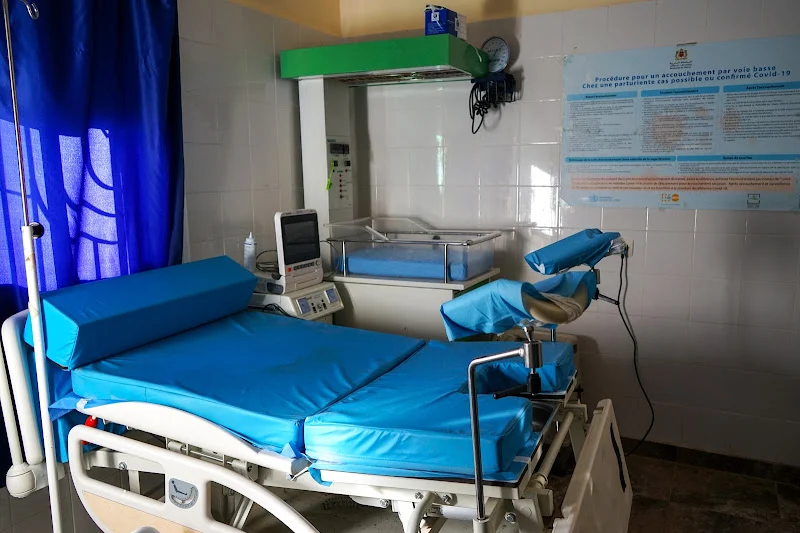
Despite these efforts, there’s still a long way to go. Right now, public hospitals handle only 10% of total medical expenses under Morocco’s insurance system, with most treatments still happening in private clinics.
The government is working on changing that by making public healthcare more attractive, covering more treatments through CNSS, and subsidizing costs for lower-income patients.
The big challenge now is making sure the system can stay financially stable while providing quality care for everyone.








add your comment
Terms of publication : Not to offend the writer, people, sacred things, or attack religions or the divine self, and refrain from racist incitement and insults.