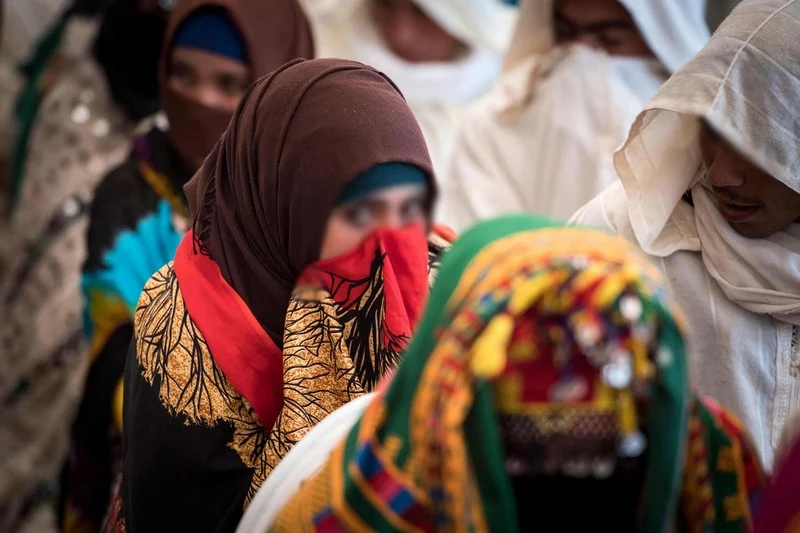
As Morocco finalizes proposed amendments to the Family Code, Justice Minister Abdellatif Ouahbi has emphasized that tackling child marriage—particularly in rural areas—is not solely a matter of legal prohibition but is deeply rooted in societal norms and family structures.
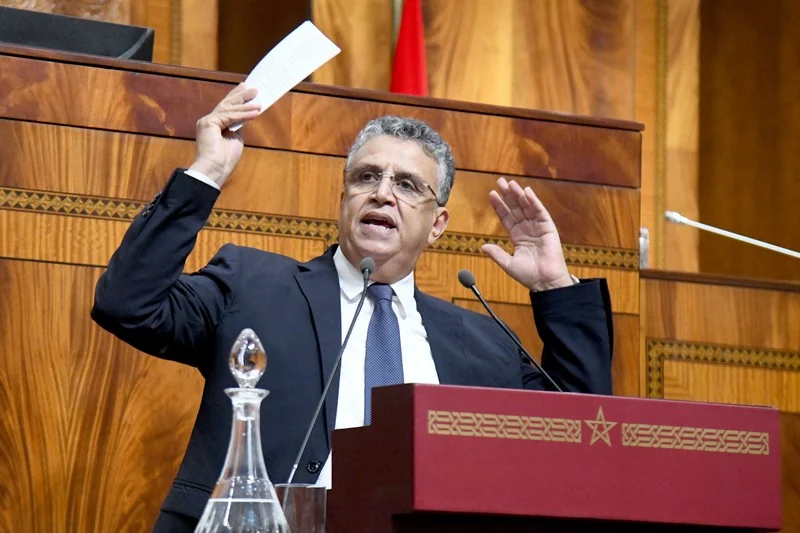
In a written response to MP Mohamed Baddou of the National Rally of Independents, Ouahbi highlighted the need for a multi-sectoral effort, involving government agencies, political parties, civil society organizations, and human rights groups, to raise awareness about the harmful effects of child marriage.
Rural Disparities and Socioeconomic Impact
The minister noted that requests for child marriage approvals are significantly higher in rural communities compared to urban areas, reflecting deep-seated social and economic factors. He warned that this practice not only limits educational and professional opportunities for young girls but also poses serious risks to their physical and mental health, as well as that of their children.
Decline in Child Marriage Cases
Ouahbi cited official statistics indicating a steady decline in child marriage cases, from 26,298 in 2017 to 12,450 in 2023. He credited this progress to stricter legal measures and intensified efforts by both governmental and non-governmental actors to enforce regulations and discourage the practice.
Under Morocco’s Family Code, judges are granted discretionary power to approve marriages involving minors under exceptional circumstances. However, Ouahbi stressed that future reforms will impose stricter conditions to ensure that such exceptions remain rare and do not become the norm.
Push for Legal Criminalization
A staunch opponent of child marriage, Ouahbi has previously announced plans to criminalize the practice under Morocco’s forthcoming penal code reforms. “A girl’s rightful place is in school, not in a marriage,” he asserted, advocating for legislative changes that protect girls’ rights to education and professional development.


add your comment
Terms of publication : Not to offend the writer, people, sacred things, or attack religions or the divine self, and refrain from racist incitement and insults.