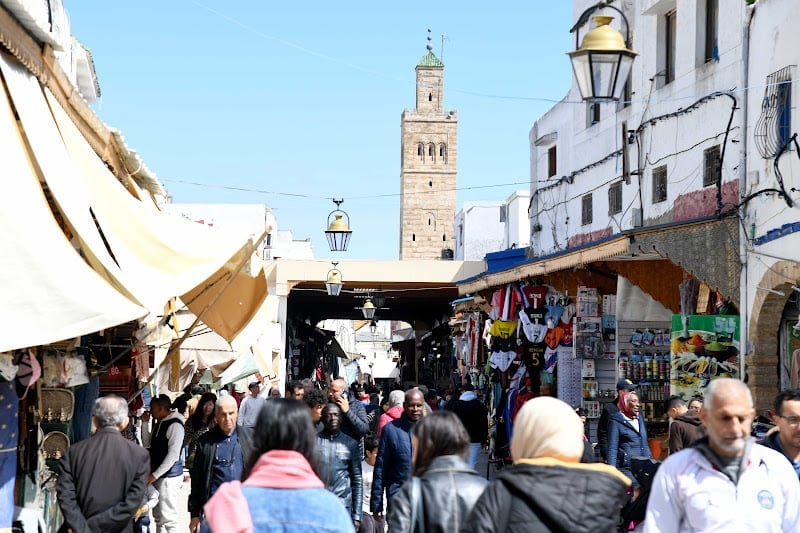
The third edition of the national survey on social cohesion, conducted by the Civil Pole of the Royal Institute for Strategic Studies, found that 80% of Moroccans view people as untrustworthy, while only 20% believe most people can be trusted.
These figures are an improvement from 2011, when only 5% expressed such trust, a development that the institute interprets as progress.
The survey also revealed increased confidence in Morocco’s sovereign and educational institutions, which received a score of 6.7 out of 10, while educational institutions scored 7.2.
Trust in representative institutions declined, with these institutions receiving just five points.
The institute emphasized that while trust in sovereign and educational institutions is strong, challenges persist in the realm of representative democracy.
Security concerns have eased, with 84.7% of respondents reporting that they feel safe, a notable shift from previous years. However, 71% view virtual spaces as a threat to social cohesion, and 85% believe social media plays a significant role in spreading misinformation.
In terms of economic outlook, 37% of Moroccans are confident about the Kingdom’s medium-term economic prospects, while 45% are neutral and 18% are pessimistic. A large majority, 84%, fear global crises will affect Morocco, although 16% remain optimistic.
Attachment to Morocco’s territorial integrity was identified as the most important factor, followed by Islam, knowledge of the country’s history, and fluency in Arabic and Amazigh.
When it comes to language preferences, half of Moroccans prefer speaking multiple languages, and 73.5% favor Modern Standard Arabic as the main language of instruction.
The survey also highlighted societal obstacles, naming poverty, social injustice, and bribery as significant barriers to social cohesion.






add your comment
Terms of publication : Not to offend the writer, people, sacred things, or attack religions or the divine self, and refrain from racist incitement and insults.