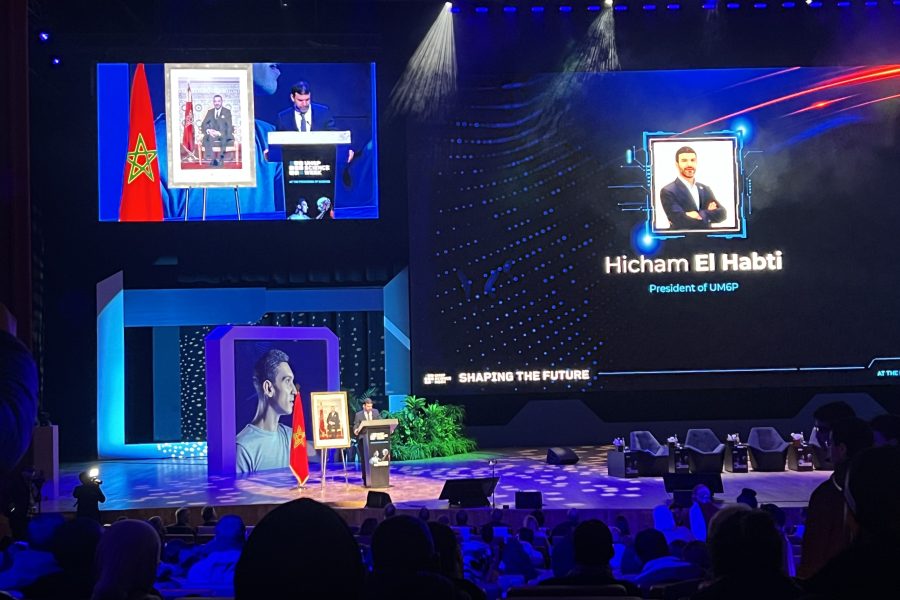
The importance of positioning Africa on the global map of scientific production took center stage at the opening ceremony of the fifth edition of Science Week, held on Monday at Mohammed VI Polytechnic University (UM6P) in Benguerir under the theme “Shaping the Future,” and running from February 17 to 23, 2025.
Hicham El Habti, President of UM6P, emphasized that “Africa must not only participate in global scientific progress but lead it,” especially as the continent faces unique challenges—from food security to climate resilience, from energy access to digital transformation. He stressed that “the solutions to these challenges must come from African talent, African innovation, and African leadership.”
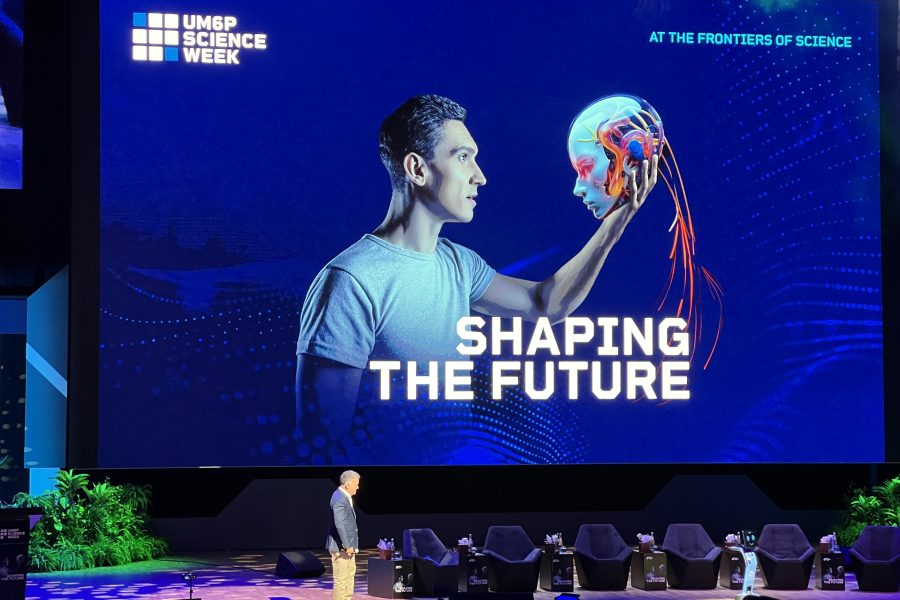
The President of UM6P emphasized the university’s commitment to proactively shaping global trends to suit African realities, highlighting its focus on connecting science with local needs to drive tangible research outcomes.
He also underscored the university’s firm belief that “science serves society, positioning itself as a leader in technological innovation and applied research, with over 7,200 students, including 1,000 PhD candidates, and world-class research facilities dedicated to training Africa’s future scientists and innovators.”
“This is a great opportunity for students, researchers, policymakers, and industry leaders to work and explore the technologies that will shape the future of humanity,” said the President of UM6P in a press statement, adding that it is also a great opportunity for students and researchers from across Africa to bring the continent’s voice to these technologies.”
He underscored that “the future of humanity will be shaped right here in Africa—across key sectors such as food security, health, and industry.”
El Habti noted during his opening remark that science and technology are reshaping every aspect of modern life, especially with the rise of Artificial Intelligence (AI), as knowledge workers who once relied on tools like ChatGPT now witness the emergence of DeepSeek AI—a more resource-efficient model developed in China.
The President also underscored the potential of AI to revolutionize resource management, citing Morocco’s control of 70% of the world’s phosphate reserves, and stressing that, if managed efficiently, phosphorus could become a key driver of global food security.
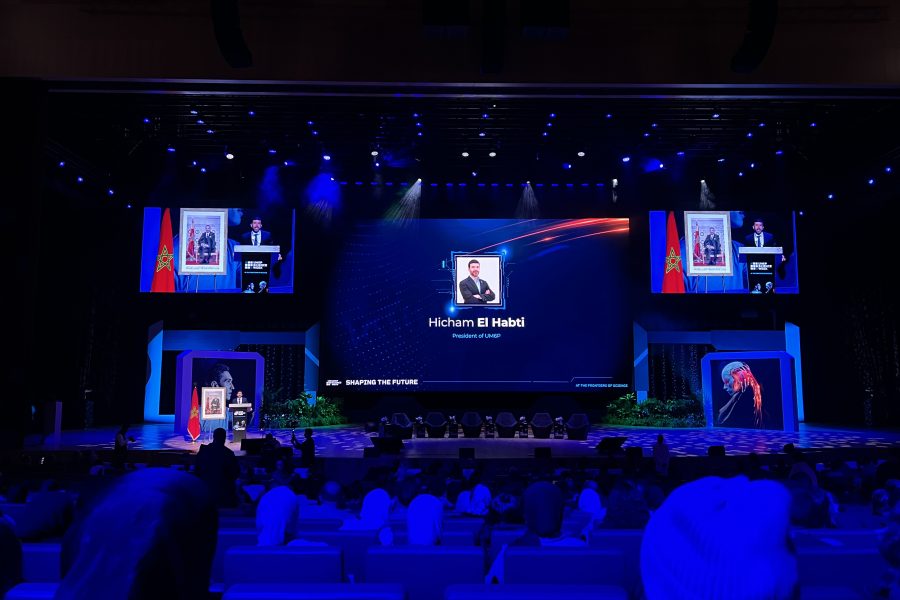
He added that “across Africa, this alchemy of technology and sustainability is happening as we speak. With digital penetration exceeding 43%, the continent is primed for data-powered development.”
El Habti stressed that “in a world changing at an unprecedented pace, the responsibility falls upon all of us—scientists, policymakers, entrepreneurs, educators, and students—to redefine how we think, create, and innovate,” explaining that the event serves as a platform for collaboration, reflection, and action, bringing together renowned scientists, industry leaders, and innovators who are shaping the global scientific landscape.
The President of UM6P noted that scientific advancement is no longer a luxury, but a necessity, given that by 2050, global food production must increase by 60% to feed 10 billion people, atmospheric CO₂ levels have surpassed 427 parts per million—over 50% above pre-industrial levels—and 90% of all global data has been created in the last two years.
This year’s Science Week edition “is about tackling these challenges head-on. It is about bridging disciplines, fostering innovation, and transforming research into real-world impact,” said the president emphasizing that attendees—whether students, researchers, or faculty members—are contributors to the conversations that will shape the next decade of scientific innovation.
Fouad Laaroui, professor of epistemology and founder of Science Week in 2020, said in a press statement that “this is the most important week of the year at UM6P, as we bring together scientists and professors from around the world. They engage with our own researchers and students, discussing all kinds of topics—including computing, agriculture, architecture, and more.
Laaroui emphasized that “science and research have been at the heart of UM6P since its inception. This university was founded as a research institution because we should be at the frontiers of science and no longer lag behind Europe and America, as we have done for over 200 years. That time is over—we have the potential to be at the forefront of scientific discovery.”






add your comment
Terms of publication : Not to offend the writer, people, sacred things, or attack religions or the divine self, and refrain from racist incitement and insults.