
Renewable energy production in Morocco is expected to grow by an average of 16% between 2025 and 2027, increasing its share in the country’s electricity mix to 35% by 2027, according to the International Energy Agency (IEA).
Electricity generation from coal is projected to decline by 2.5% annually, reducing its share to around 50% by 2027, down from 60% in 2024.
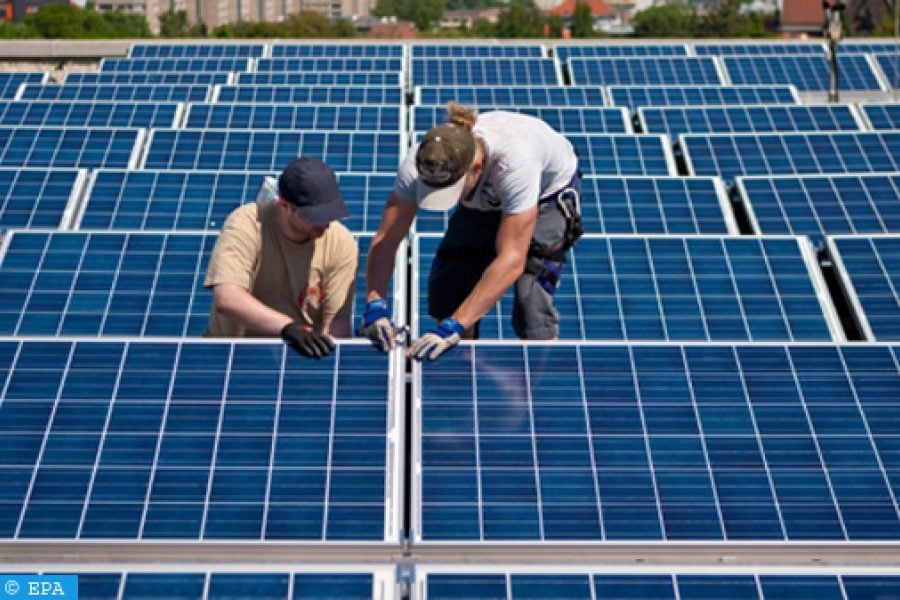
The IEA report said photovoltaic solar energy will play a crucial role in this growth, with an average annual increase of 57% over the forecast period. Wind power is also set to expand by 15% per year.
These developments are aligned with Morocco’s strategic objective of increasing the share of renewable energy in its total installed capacity to at least 52% by 2030.
Despite the growth in renewables, Morocco faces challenges related to its growing electricity demand, which increased by nearly 3% in 2024 and is expected to maintain this pace throughout the forecast period.
A significant factor contributing to this demand is the country’s push towards seawater desalination, with several new desalination plants expected to become operational by 2027.
These plants pose a unique challenge to the power grid due to their inflexible energy demand, as they require a constant and substantial supply of electricity to maintain water production. This inflexibility complicates the integration of these loads into a grid increasingly reliant on variable and intermittent renewable energy sources.






add your comment
Terms of publication : Not to offend the writer, people, sacred things, or attack religions or the divine self, and refrain from racist incitement and insults.