
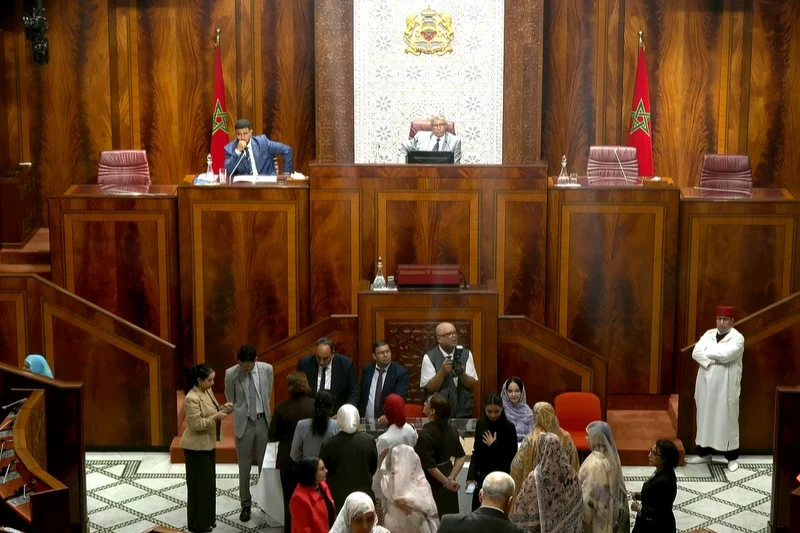
The House of Representatives is set to request an updated advisory opinion from the National Human Rights Council (CNDH) regarding amendments to Bill No. 03.23, which modifies the Criminal Procedure Code (Law No. 22.01), a senior parliamentary source confirmed.
The request specifically concerns Article 3, a controversial provision that restricts the ability of civil society organizations to initiate legal action in public finance-related offenses.
A 2022 opinion from the CNDH had already been referred to the Justice, Legislation, and Human Rights Committee, as it was deemed ready for review. However, given the legal and constitutional implications, the House of Representatives intends to formally request the CNDH to examine the latest amendments from a human rights perspective.
According to official parliamentary records, the House of Representatives’ Bureau reviewed opinions from both the National Human Rights Council and the National Authority for Integrity, Prevention, and Fight Against Corruption (INPPLC) regarding the Criminal Procedure Bill before referring them to the Justice and Legislation Committee and sharing them with members of Parliament.
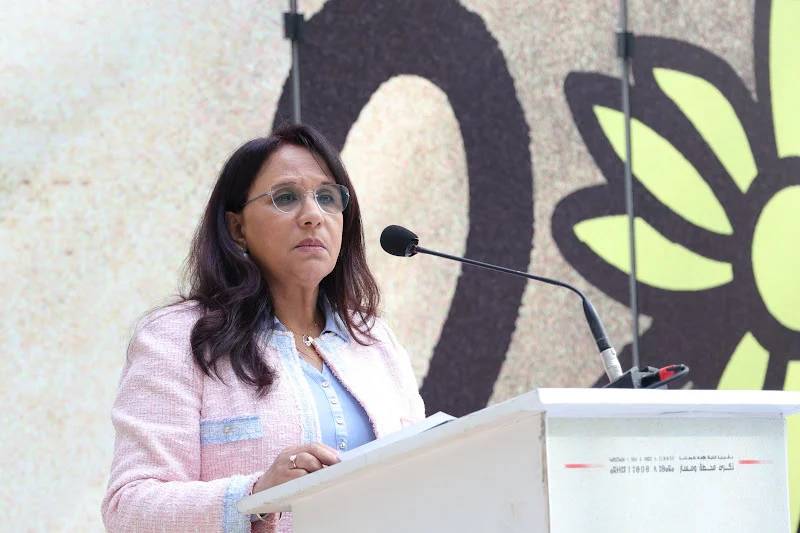
However, sources within the CNDH, led by President Amina Bouayach, told Hespress AR that the only existing opinion is related to a previous version of the Criminal Procedure Code (Bill No. 01.18), which has been publicly available on the council’s website for some time. They confirmed that the council has not yet received any official request for an updated opinion from either the Ministry of Justice or the House of Representatives Speaker.
The revised Article 3 states that investigations and public prosecutions related to public finance crimes can only be initiated by the Public Prosecutor at the Court of Cassation, based on referrals from the Court of Auditors, the General Inspectorate of Finance, the General Inspectorate of Territorial Administration, or other official oversight bodies. The latest amendment, introduced by Justice Minister Abdellatif Ouahbi, adds an exception allowing prosecutors to act independently in cases of flagrant offenses.
When presenting the bill, Minister Ouahbi defended the amendments, arguing that they are aligned with modern criminal justice principles, Morocco’s 2011 Constitution, and international conventions on human rights and anti-corruption. He also referenced Royal directives emphasizing the need for judicial reform and effective governance in law enforcement.
Legal and human rights experts suggest that, if the CNDH reviews the Criminal Procedure Bill, it may support anti-corruption NGOs advocating for expanded legal standing in financial misconduct cases. Some legal analysts believe that provisions governing civil society involvement should be addressed in the Associations Law rather than the Criminal Procedure Code.
Human rights organizations argue that instead of restricting NGOs, lawmakers should enhance their legal protection while ensuring adequate safeguards against abusive lawsuits and defamation risks targeting public officials.






add your comment
Terms of publication : Not to offend the writer, people, sacred things, or attack religions or the divine self, and refrain from racist incitement and insults.