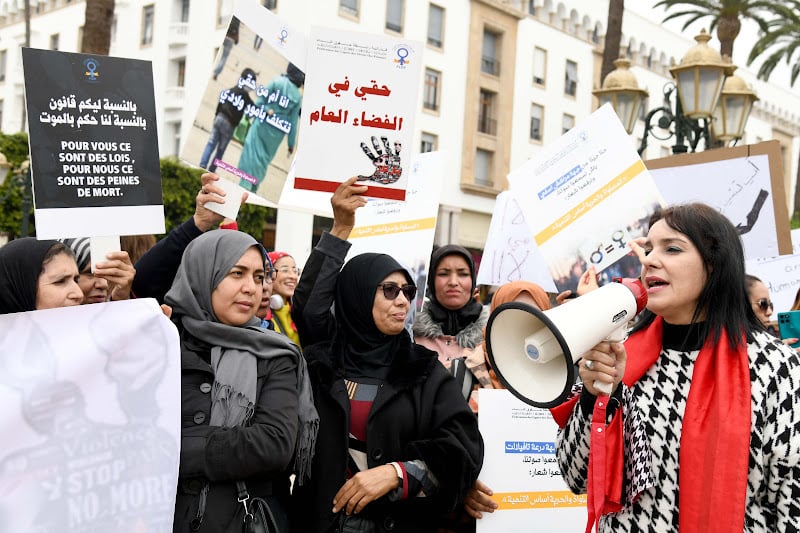
The Moroccan Women’s Action Union has expressed strong disappointment with the proposed amendments to the Family Code revealed during a recent government meeting. In a statement, the union described the reform process as a critical opportunity to advance women’s human rights, rebuild families on principles of justice and equality, and eliminate entrenched patriarchal norms. However, it noted that the proposed changes fell short of expectations and failed to address the fundamental issues raised by feminist and human rights organizations.
The union argued that the proposed amendments did not adopt a rights-based approach or prioritize equality, non-discrimination, and the best interests of children. It criticized the government for ignoring the societal changes that have reshaped Moroccan families and for failing to reflect the evolving roles of women. The statement warned that the amendments, as presented, would be insufficient to address modern family needs or resolve pressing social challenges.
One major concern raised by the union was the continuation of exceptions permitting child marriages, even with the proposed increase of the minimum age for such exceptions to 17. The union emphasized that this adjustment does not adequately address the harmful consequences of child marriage or align with Morocco’s constitutional and international commitments.
The proposed amendments also failed to ban polygamy, which the union described as a violation of women’s and children’s dignity and a threat to family stability. Allowing stipulations against polygamy in marriage contracts was deemed insufficient to protect all women, especially those unaware of their rights or unable to negotiate terms.
Another contentious issue was the refusal to use genetic testing to establish paternity for children born outside of marriage. The union criticized this decision, arguing that it contradicts constitutional provisions guaranteeing legal and social protections for all children, regardless of their family circumstances.
While the union acknowledged the inclusion of shared legal guardianship between spouses, it pointed out that the measure lacked transformative impact. It warned that unresolved conflicts over guardianship would continue to burden mothers and children, leaving them vulnerable to legal and financial insecurity.
The statement further criticized the failure to recognize women’s financial contributions to family wealth beyond household labor. The union argued that many women actively support their families through income-generating activities and should be acknowledged for their economic roles.
A significant critique was directed at the reliance on outdated religious interpretations to address contemporary social issues. The union urged authorities to embrace modern scientific and social advancements and align reforms with the aspirations of Moroccan women for justice, dignity, and equality.
In its statement, the Moroccan Women’s Action Union reaffirmed its demand for comprehensive and transformative reform of the Family Code. It called on policymakers to move beyond superficial amendments and deliver legislation that reflects Morocco’s constitutional principles and international commitments to human rights. The union emphasized that only an inclusive and rights-based approach would ensure justice, equality, and stability for Moroccan families in the 21st century.








add your comment
Terms of publication : Not to offend the writer, people, sacred things, or attack religions or the divine self, and refrain from racist incitement and insults.