
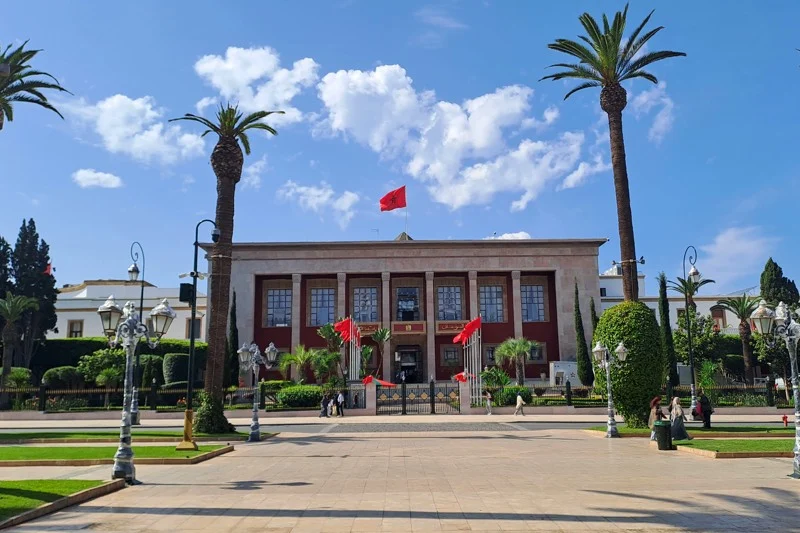
The Moroccan House of Representatives is examining a draft law aimed at regulating artificial intelligence (AI), reflecting ongoing debates on the balance between its benefits and potential risks. The proposal, introduced during a recent public session, seeks to establish a legal framework to manage AI applications and ensure their ethical and safe use.
The proposed legislation, authored by members of the opposition Haraki group, outlines the need for regulatory oversight of AI technologies, which are increasingly embedded in sectors ranging from education to healthcare. The draft law spans 17 articles and includes definitions for key concepts such as “personal data” and “automated systems.” It also proposes the establishment of a national committee to oversee the implementation and monitoring of AI systems.
Key provisions of the draft include adherence to cybersecurity, data protection, and intellectual property laws. It emphasizes the right of individuals to opt out of interactions with AI systems, safeguarding personal freedoms and privacy.
“The objective is to enhance Morocco’s legal framework to address the rapid advancements in AI technology while leveraging its benefits and mitigating its risks,” the proposal states.
A significant highlight is the inclusion of criminal liability provisions. Under Article 16, individuals or institutions could face legal consequences for unlawful or harmful use of AI systems, such as privacy breaches or causing physical or material damage. Penalties range from fines of MAD 50,000 to MAD 500,000, with repeat or severe offenses potentially resulting in prison sentences of six months to five years.
The draft law aligns Morocco’s regulatory ambitions with international practices, including those of UNESCO and the European Union. It references the EU’s Artificial Intelligence Act, which categorizes AI systems by risk levels and imposes strict regulations on high-risk applications. It also cites international calls for ethical AI governance, such as recommendations from the Organization for Economic Co-operation and Development (OECD) and the United Nations.
Morocco’s “Digital Morocco 2030” strategy underscores the importance of such legislation as the nation embraces the digital revolution. Lawmakers highlighted the urgent need for legal measures to address emerging challenges, including deepfake videos, misinformation, and other risks associated with AI’s growing presence in daily life.
If referred to parliamentary committees, the draft law will undergo further deliberation to refine its provisions. Proponents argue that establishing a robust regulatory framework will enable Morocco to harness AI’s potential while ensuring transparency, fairness, and accountability in its use.
This initiative places Morocco among a growing number of countries proactively addressing the societal and ethical implications of artificial intelligence.







add your comment
Terms of publication : Not to offend the writer, people, sacred things, or attack religions or the divine self, and refrain from racist incitement and insults.