
The United Nations Security Council has welcomed five new non-permanent members for 2025-2026: Denmark, Greece, Pakistan, Panama, and Somalia. The five new members bring different histories of engagement with Morocco.
Here’s a closer look at their relationships and how they could shape discussions about the Moroccan Sahara.
Denmark:
In September 2024, Denmark voiced its support for Morocco’s Autonomy Plan for Moroccan Sahara, calling it a serious and credible proposal to help resolve the conflict through the UN process. This view aligns with other European countries that see the plan as a fair solution.
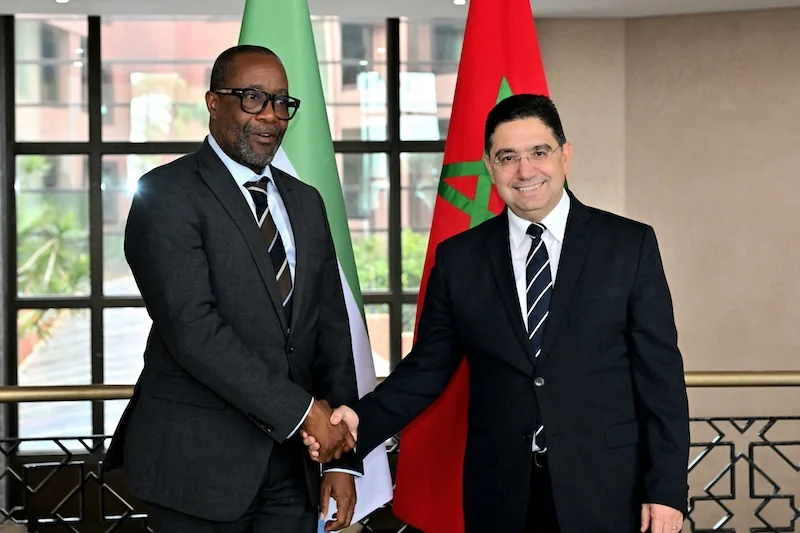
Later that month, Foreign Minister Nasser Bourita met with Danish Foreign Minister Lars Løkke Rasmussen during the UN General Assembly.
Both ministers agreed to boost cooperation in trade, investment, migration, and development, focusing on sectors like renewable energy, water technology, and logistics.
Morocco and Denmark have built a strong partnership, particularly in renewable energy and trade. Denmark imports Moroccan products like agricultural goods and textiles, while Morocco benefits from Denmark’s expertise in green technology.
Greece:
Morocco and Greece have built a friendly relationship based on mutual respect and working together in areas like tourism and culture, especially in preserving their heritage.
In 2022, Greece backed Morocco’s territorial integrity in international discussions, showing support for Morocco’s position. While Greece doesn’t make a lot of noise about it, it leans toward peaceful solutions and may quietly support Morocco’s autonomy plan.
Greece has also supported Morocco in strengthening ties with the European Union and its member countries. Both countries see each other as important players in their respective regions and cooperate in international organizations.
A significant moment in their diplomatic relationship came when Greek Foreign Minister Nikos Dendias visited Rabat on January 15, 2020, helping to push their relations forward.
Trade between the two countries has been strong, with Greece exporting around €342 million in goods to Morocco in 2022. A large part of this was refined petroleum. On the other hand, Morocco exported goods worth €124 million to Greece, including vehicles, animal feed, seafood, and chemicals.
In 2020, the two nations also created the Greek-Moroccan Chamber of Commerce and Business Development in Athens. This was set up to help increase trade, share investment opportunities, and support business growth between Morocco and Greece.
Pakistan:
Morocco and Pakistan have a strong relationship, especially when it comes to the Moroccan Sahara issue. Pakistan has always supported Morocco’s control over the region and doesn’t recognize the Sahrawi Arab Democratic Republic (SADR).
Pakistan sees the matter as unresolved and advocates for a UN-led resolution. The country agrees with Morocco that the issue should be handled internally and within UN frameworks.
The two countries share strong political ties and Islamic values, often collaborating in international groups like the Organization of Islamic Cooperation (OIC). Pakistan also backs Morocco’s position on the Sahara, seeing similarities to its own conflict in Kashmir.
As Morocco’s trade with South Asia grows, including imports of Pakistani textiles and exports of Moroccan phosphates, this partnership is likely to stay strong, especially with Pakistan serving on the UN Security Council.
Morocco and Pakistan also work together in defense. In 2021, their special forces held their first joint military exercise in Pakistan, focused on counter-terrorism.
Trade between the two nations is on the rise. Morocco exports items like phosphoric acid and fertilizers to Pakistan, with exports totaling around $840 million in 2022. On the flip side, Pakistan exports cotton and other goods worth $48 million to Morocco.
Panama:
Morocco and Panama have built a strong relationship, especially when it comes to the Sahara issue. In January 2024, Panama publicly backed Morocco’s Autonomy Plan for Sahara, calling it the “unique basis for a just and lasting solution.”
Later, in November 2024, Panama took a major step by cutting off diplomatic ties with the Sahrawi Arab Democratic Republic (SADR), aligning with Morocco’s position on the territory.
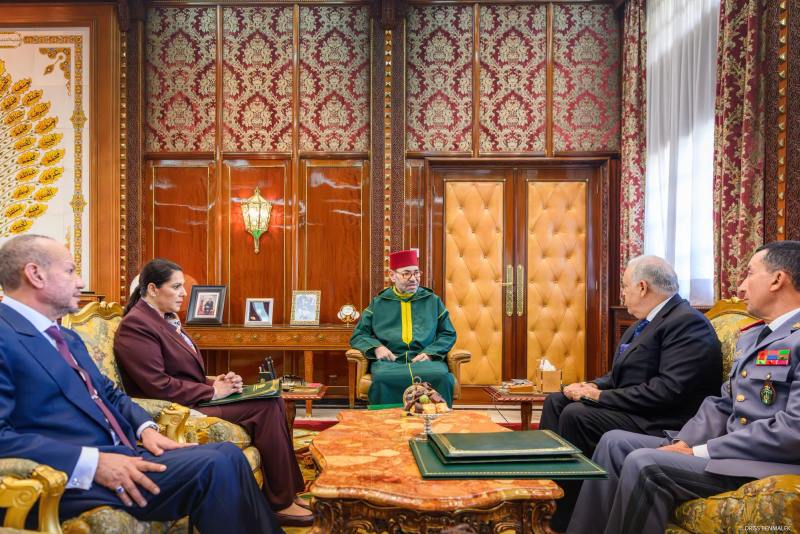
In response, King Mohammed VI of Morocco thanked Panama’s President, José Raúl Mulino Quintero, for this move, showing appreciation for the country’s support.
Somalia:
Morocco and Somalia have built a strong relationship through both the Arab League and the African Union. Somalia has always supported Morocco’s claim over Moroccan Sahara, stressing the importance of unity and territorial integrity.
In return, Morocco has helped Somalia with development projects, especially in education and agriculture, which has created a positive bond between the two countries.
Somalia has continued to back Morocco’s sovereignty over Moroccan Sahara. A key moment came in November 2020, when Somalia supported Morocco’s efforts to reopen the Guerguerat crossing point, which had been blocked by the Polisario Front.
In September 2022, Somalia made it clear it wants to deepen its relationship with Morocco by planning to open an embassy in Rabat and a consulate in Dakhla. This move signals their intention to strengthen cooperation across various sectors.





add your comment
Terms of publication : Not to offend the writer, people, sacred things, or attack religions or the divine self, and refrain from racist incitement and insults.