
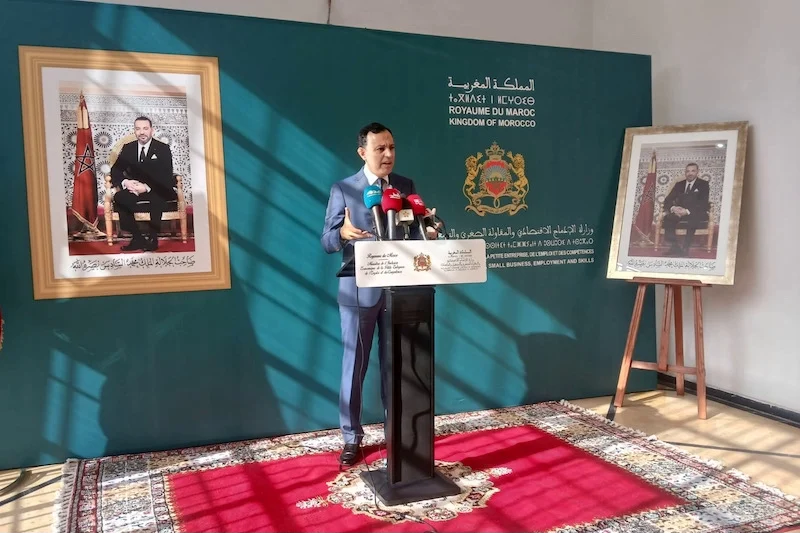
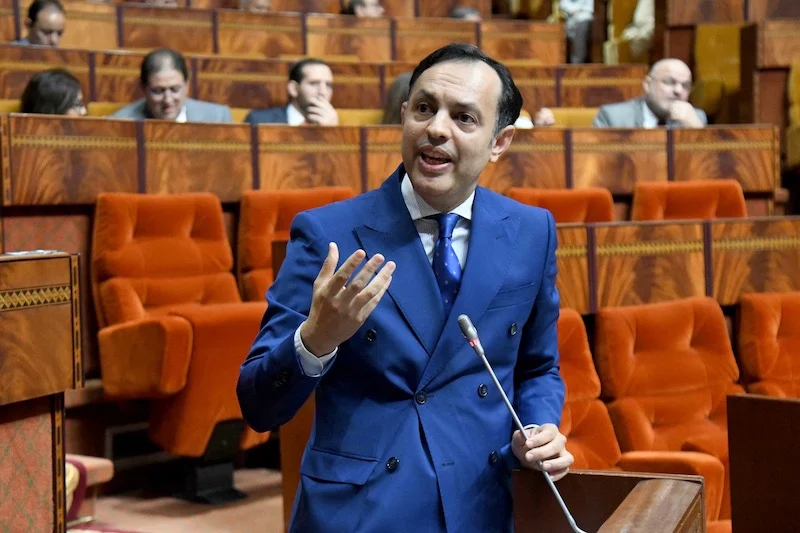
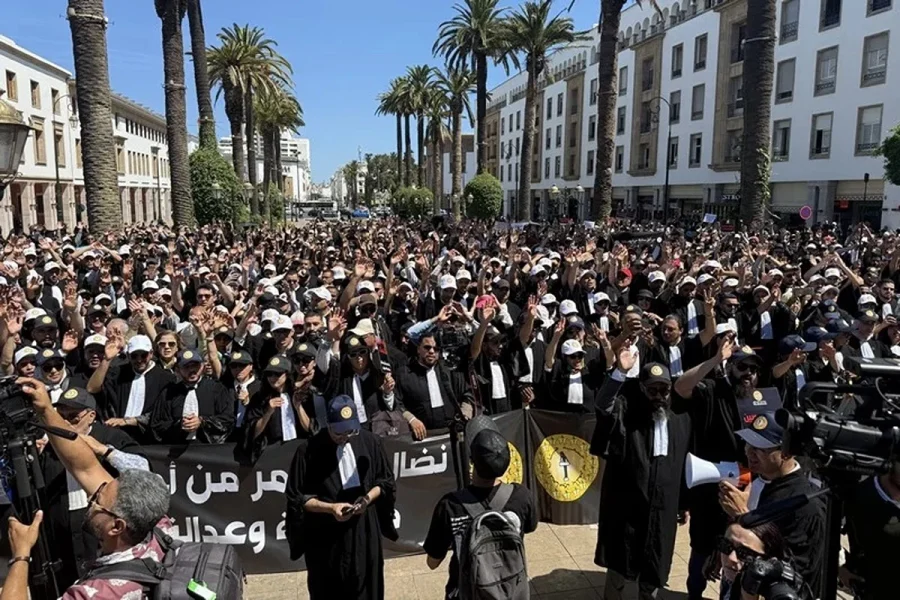
Minister of Employment, Younes Sekkouri promised that the government would continue to listen to MPs’ suggestions and amendments on the controversial bill concerning strikes during the remaining legislative process.
In a plenary session on Tuesday in the House of Representatives to vote on the law, Sekkouri emphasized that the law must not allow employers to “buy out” a strike.
He clarified that while the law eliminates imprisonment and criminal penalties—considered unacceptable— it should not allow large companies or employers to replace striking workers or use fines in place of negotiations.
Sekkouri condemned the practice of some employers replacing striking workers with interns, stating that “these practices are prohibited.”
He stressed that the law aims to encourage both workers and employers to negotiate and reach agreements while protecting the rights of the most vulnerable.
Reflecting on the long discussions held in the Social Sectors Committee, Sekkouri expressed pride in the adoption of key amendments, particularly Article 4, which expanded the right to strike to more groups.
He stated that the government would have made a “grave mistake” if it had not granted domestic workers the right to strike, and praised the collaboration between the government and MPs to ensure broad inclusion, including for non-wage earners.
The Minister noted that the government, while initially offering its viewpoint, was open to significant changes, not for political gain but for the public interest and its responsibility toward society.
Sekkouri explained that amendments eliminating the risk of dismissal due to striking, preventing arbitrary actions, and broadening the scope for calling strikes (beyond the most representative unions), as well as reducing the strike notice period from one month to three days, were all aimed at striking a balance.
He also revealed that in his consultations with the General Confederation of Moroccan Enterprises , he emphasized that “this law serves the working class,” noting that “employers recognized that there were patriotic individuals who understood the importance of this law.”
Finally, Sekkouri touched on essential sectors, noting that in these fields, services cannot be disrupted, a principle observed globally. He pointed out that healthcare strikes in Morocco respect this by exempting sensitive services, such as emergency and intensive care, and argued that the law provides a necessary legal framework for managing such situations.





add your comment
Terms of publication : Not to offend the writer, people, sacred things, or attack religions or the divine self, and refrain from racist incitement and insults.