
A group of researchers and experts from the “Mediterranean Basin Climate Change Experts Network” has raised alarm over the growing challenges faced by the region, with particular emphasis on Morocco’s vulnerability to climate change.
In a report titled “The Interconnection Between Climate Change and Ecosystems in the Mediterranean Basin,” the experts highlighted critical issues such as water scarcity, food insecurity, energy problems, and ecosystem degradation. The report stresses that these interconnected challenges require a comprehensive approach to achieve sustainable development.
The experts noted that rural areas in the Mediterranean are particularly affected by climate change, with declining agricultural productivity likely to drive more people from rural areas to urban centers, increasing reliance on food imports. “Climate change is expected to severely impact livelihoods in rural areas, particularly for farmers,” the report states.
Morocco’s situation was a focal point in the report, which revealed that repeated droughts caused by climate change have led to significant social inequality, especially with the loss of livestock and fodder. In 2012, agriculture accounted for 38% of employment in Morocco, and the impact of climate change is expected to worsen the situation.
The report also noted that industrial agriculture in southern Mediterranean countries, including Morocco, is increasingly focused on export, contributing up to 20% of GDP. This shift has changed the nature of agricultural work, with rural populations now working primarily as wage laborers.
Experts warned that rising temperatures could lead to a decline in labor productivity, particularly due to increased heat stress. By the 2080s, the Mediterranean region is expected to experience an additional 50 to 60 days of heat stress, leading to a decrease in average productivity.
The report also pointed to a shift in consumption patterns, with many people in the region adopting Western-style diets that are energy-dense and high in animal protein, contributing to increased food waste. The experts noted that the individual food footprint in the region has increased, except in Morocco, Albania, and Jordan.
Further complications were highlighted by the ongoing war in Ukraine, which has disrupted food supplies, particularly for countries that rely on imports. Ukraine and Russia accounted for around 20% of Morocco’s wheat imports, the report states.
The energy sector in the Mediterranean has also been significantly impacted by climate change. In Morocco, energy production in 2021 was half of what it was in 2011, and a third of what it was in 2010, a drop attributed to water scarcity and changing weather patterns. However, Morocco has been commended for its strategies aimed at achieving carbon neutrality by 2050.
The report also highlighted the potential of renewable energy in the region, with Morocco’s wind energy potential at 45%, far surpassing that of Italy (20%), France (20%), and Spain (25%). In photovoltaic solar energy, Morocco is also leading with a potential of 35%.
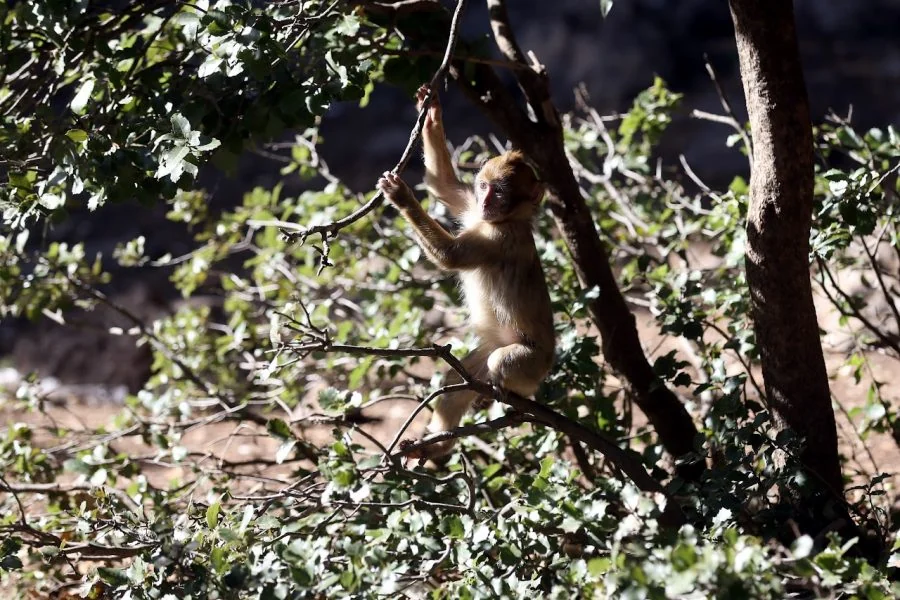
Lastly, the report warned that climate change is affecting Morocco’s Atlas Mountains, where rising temperatures are disrupting local ecosystems. The increased heat has had a detrimental effect on species that rely on the plants native to these unique mountains.
The report, supported by several organizations including the “Union for the Mediterranean,” calls for urgent action to address the multifaceted challenges posed by climate change in the Mediterranean region.



add your comment
Terms of publication : Not to offend the writer, people, sacred things, or attack religions or the divine self, and refrain from racist incitement and insults.