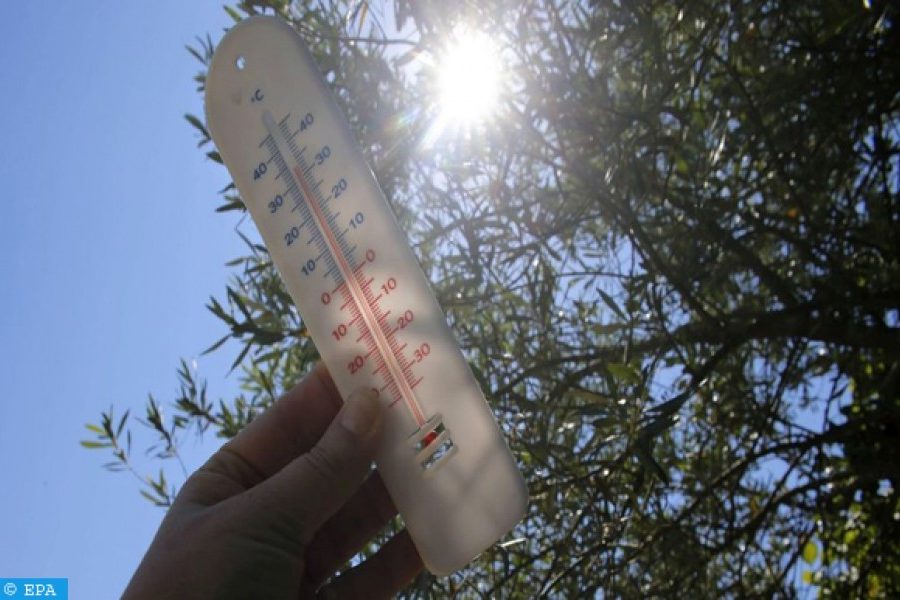
Morocco has recently experienced unusual climate disturbances, including record-breaking heat and intense rainfall, which have disrupted the agricultural cycle and water resources in the country.
According to experts, these weather phenomena reflect the blurring of seasonal patterns and are indicative of the broader effects of climate change. Rising temperatures are primarily linked to global climate shifts driven by industrial pollution and the increase of carbon dioxide, which cause climate fluctuations impacting the environment and all living organisms.
Ali Cherroud, a climate expert, explained, “If we place this rise in temperature within the global context, it aligns with worldwide climate patterns resulting from global warming over the past decade.” He emphasized that “this phenomenon is not unique to Morocco; it also affects neighboring regions.”
Cherroud, speaking to Hespress, added that what distinguishes the recent rise in temperatures is the presence of a high-pressure system from the Atlantic Ocean, which pushed warm air currents towards the region. This is unusual because these warm currents are typically associated with high-pressure systems between Morocco and Europe. This shift contributed to the record temperatures recorded in multiple regions.
Typically, December marks the beginning of the rainy season, but this year, temperatures have remained unusually high. Cherroud noted that this reflects the phenomenon of overlapping seasons, which has become more prevalent in recent years due to ongoing droughts and continuous climate changes.
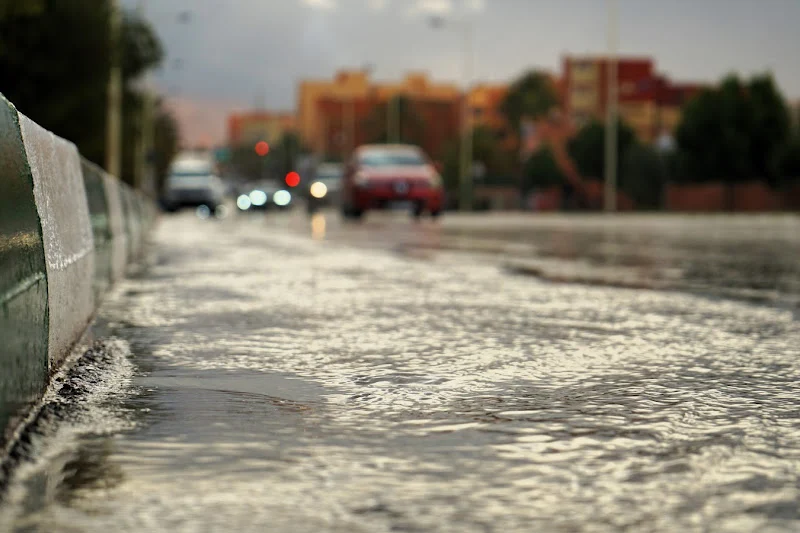
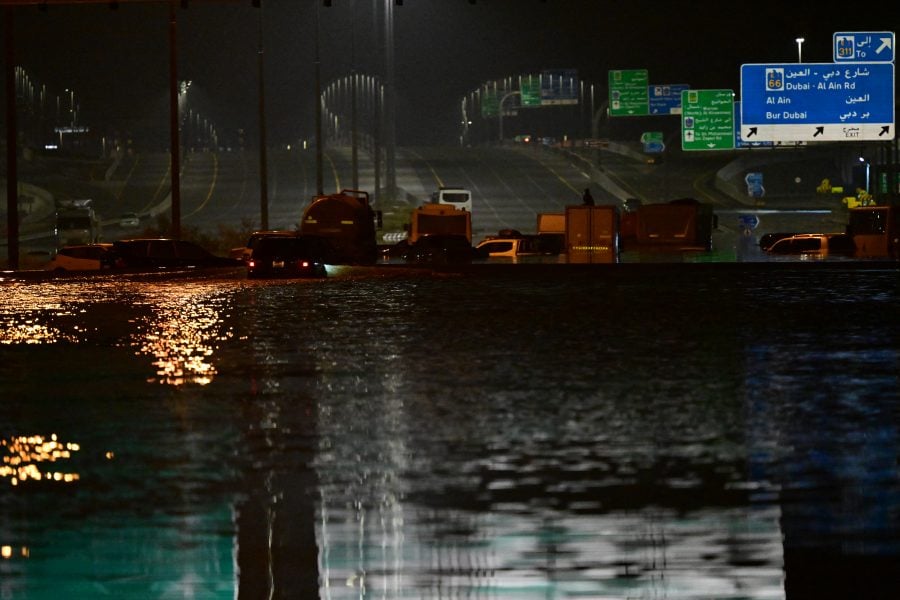
“This year, the climate changes were particularly noticeable,” Cherroud continued. “In September, we saw unusually heavy rains caused by tropical clouds, leading to devastating floods in southern areas of the High Atlas and the desert. This is not typical for this time of year. These rains were followed by a brief period of high temperatures and then another round of rainfall.”
Cherroud pointed out that the heavy rainfall in September provided hope for a good agricultural season by replenishing groundwater and significantly increasing water levels in some dams. However, last week, Morocco saw a return of climate shifts, oscillating between cold, rainy periods and record heat waves.
“These fluctuations indicate unusual climate disturbances, such as snowfall or temperatures rising outside their normal seasonal range,” he added. “However, these weather phenomena should be viewed as short-term predictions, as it is difficult to forecast what will happen in the next 10 to 15 days.”
He concluded, “We hope that these climate disturbances will bring enough rainfall to support seasonal farming without causing floods or environmental damage. It is also important that these rains are followed by slight increases in temperature, as plants need a balanced cycle of rain and warmth for healthy growth.”
Meanwhile, Jamal Aqchab, president of the Friends of the Environment Association in Zagora, noted that Morocco has experienced an unusual rise in temperatures during the past week, as well as the previous one, due to high atmospheric pressure systems.
According to Aqchab, Morocco has been exposed to dry, hot air masses from the Sahara, resulting in temperature increases of between 3 to 8 degrees compared to the same period last year, when temperatures were lower by about 5 to 8 degrees.
He explained that this exceptional temperature rise, particularly in late autumn and early winter, is linked to climate changes caused by the rising concentration of carbon dioxide in the atmosphere, which is a direct result of increasing industrial pollution. The higher the pollution, the more carbon dioxide is emitted, leading to a general rise in global temperatures and widespread climate disturbances, such as floods and extreme weather events in other parts of the world, including Asia and America.
Aqchab further noted that while the country had experienced significant rainfall in recent weeks, this sudden spike in temperatures this month is an unusual exception.
“The scientific explanation behind this phenomenon lies in the dry, hot air masses from the African desert, which have raised temperatures even in typically cooler inland and mountainous areas during this time of year,” he said.
Aqchab concluded that “this situation represents an environmental challenge that affects both humans and wildlife and underscores the need for a deeper understanding of these climate changes and a more effective response to them.”

add your comment
Terms of publication : Not to offend the writer, people, sacred things, or attack religions or the divine self, and refrain from racist incitement and insults.