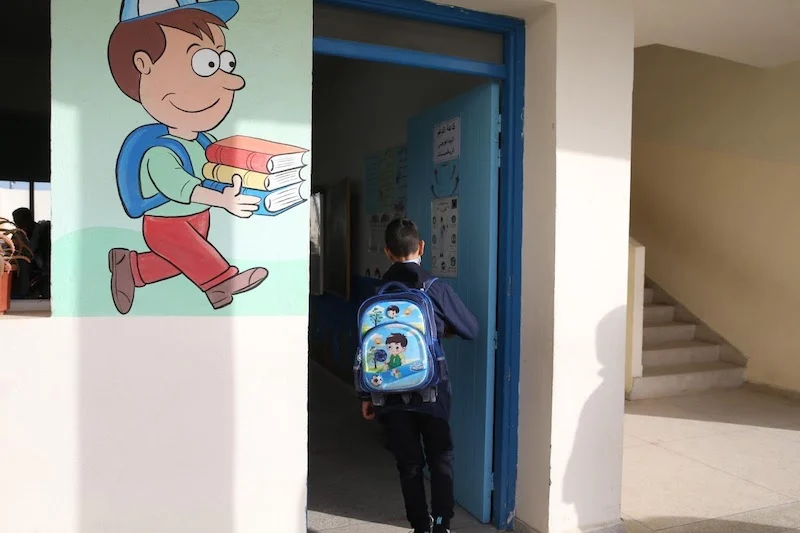
While 34.5% of Moroccan children consider the right to education as their most important right, 23.4% prioritize the right to health, according to a recent survey conducted by the National Observatory for Children’s Rights (ONDE) and UNICEF.
The study, which involved 7,500 children, including 1,449 aged 9–18, was conducted to mark International Children’s Day and to shed light on the perceptions and priorities of Moroccan children regarding their rights.
17.94% of the participants said that protection from violence is important, while 14% chose the right to food as their top priority.
The study noted a concerning lack of awareness about the rights enshrined in the International Convention on the Rights of the Child.
Only 16.9% of the participating children reported being fully aware of these rights, while 50.15% claimed partial knowledge and 32.9% admitted to being completely unaware.
Despite this, over half of the children (56.3%) expressed belief that their rights are respected by those around them, while approximately one-third (30%) voiced dissatisfaction with the lack of respect for their rights.
The survey also revealed children’s aspirations for progress in various areas, particularly education.
When asked about the most significant challenges faced by their peers, 39.5% cited difficulty in accessing schools in rural areas, while 20.2% identified obtaining a good education as the second biggest challenge.
Children’s mental health emerged as the third most pressing issue, mentioned by 6.8%. Other data from the survey corroborates children’s concerns regarding education and health.
Over a third of the children (36%) believe that improving access to schools in rural areas should be the government’s top priority in the realm of childhood.
27.9% called for the government to prioritize ensuring quality education. Other priorities mentioned by children included mental health and protection from various forms of violence.
Regarding sources of information about their rights, television topped the list with 25.9%, followed by social media at 21.9% and schools at 16.35%.
The survey said that children have a strong desire to participate in efforts to defend children’s rights, with 70.9% expressing their willingness to support these rights through various means. These means include volunteering for NGOs, sharing information on social media, and participating in awareness campaigns.






add your comment
Terms of publication : Not to offend the writer, people, sacred things, or attack religions or the divine self, and refrain from racist incitement and insults.