
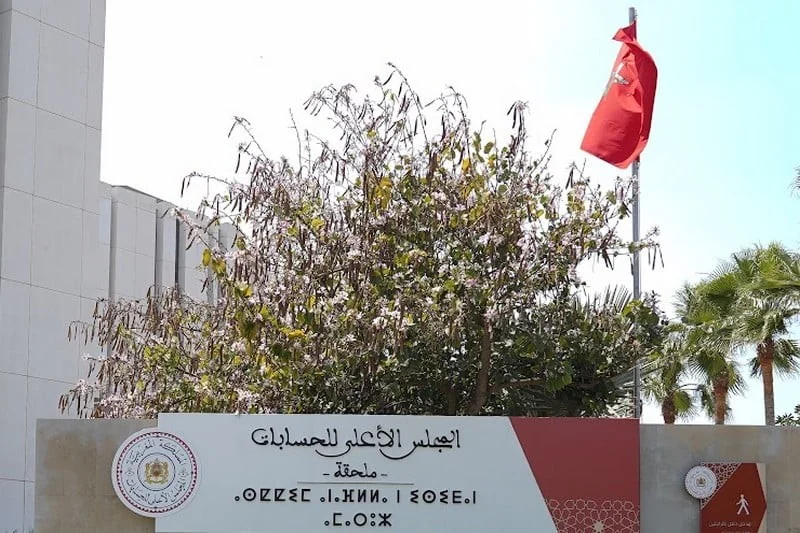
udges in the 4th chamber of the Supreme Council of Accounts, tasked with investigating irregularities in the integrated program for supporting and financing businesses “Intilaqa,” have opened legal cases against those involved in serious irregularities, including manipulation of loan processes, bribery, forgery, and others, according to Hespress Ar.
This comes as part of the ongoing audit of banks that managed the program, in coordination with the authorities of Bank Al-Maghrib.
The same sources have indicated that the judges have decided to review closed and ongoing legal cases involving banking officials. They have requested the legal departments of various banks to provide a set of documents and records.
The aim is to gather as much data as possible about the irregularities and violations that occurred in the management of the Intilaqa program, especially concerning the handling of loan applications at the level of direct bank branches and loan committees of different levels.
The judges are also investigating whether these banks adhered to credit risk management procedures and standards, despite the guarantees provided by the state to finance Intilaqa.
The same sources have revealed that inspectors are now focusing on the direct contact points between loan applicants and banks, drawing on research conducted within professional bodies for small and medium businesses and regional investment centers.
By reviewing legal cases, investigators have uncovered significant loopholes in loan management, including some loans worth up to 120 million cents in one file, and ties between bank officials and a vast network of stakeholders,” including accountants, property owners, municipal employees, and business owners dealing in invoice trading.
This network facilitated the acquisition of commissions and profits from granting undeserved loans.
With rejection rates for “Intilaka” program loans climbing to 40%, participating banks have introduced stricter requirements for processing applications.
These new conditions not only exclude cooperatives due to risk concerns but also cap loan amounts at 150,000 MAD for businesses and 100,000 MAD for individuals and self-employed individuals.
Banks now require proof of relevant experience, a thorough project feasibility study, and invoices from companies that have been operating for at least one year.
Hespress sources said that financial inspectors have reviewed complaints from funding applicants alleging extortion by bank officials. These complaints pointed to unclear processes in how applications were handled, with applicants being required to submit additional documents that went beyond the initiative’s basic requirements, closely resembling standard bank loan procedures.
Several complaints “filed with the banking Mediator institution also detailed alleged manipulation of commercial lease agreements, equipment invoices, and as well as pre and post-inspection reports.”
It should be noted that the investigations into the Intilaqa program have recently triggered a state of alert among regional investment centers.
Judges from the Supreme Council of Accounts have sent requests to the directors of these centers, demanding detailed information about how the program was managed in their respective regions.
This includes the number of benefiting businesses, rejected financing files, and the content of complaints received from businesses and project owners during the past period.







add your comment
Terms of publication : Not to offend the writer, people, sacred things, or attack religions or the divine self, and refrain from racist incitement and insults.