
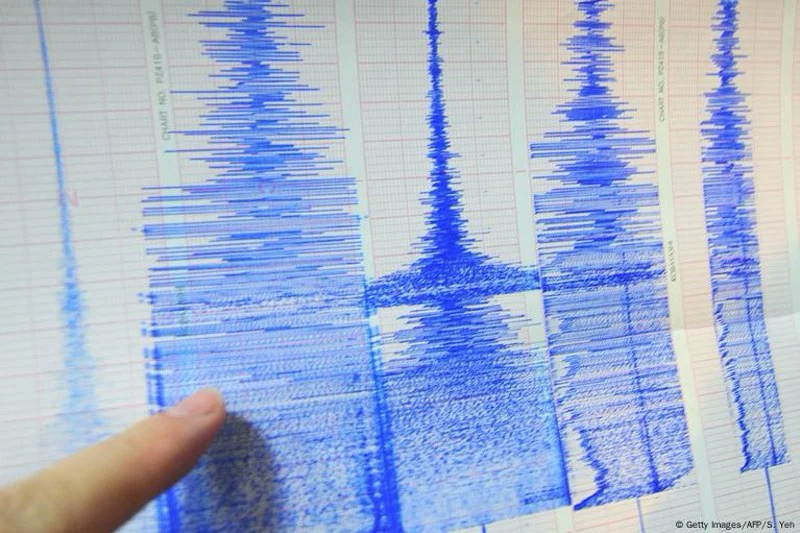
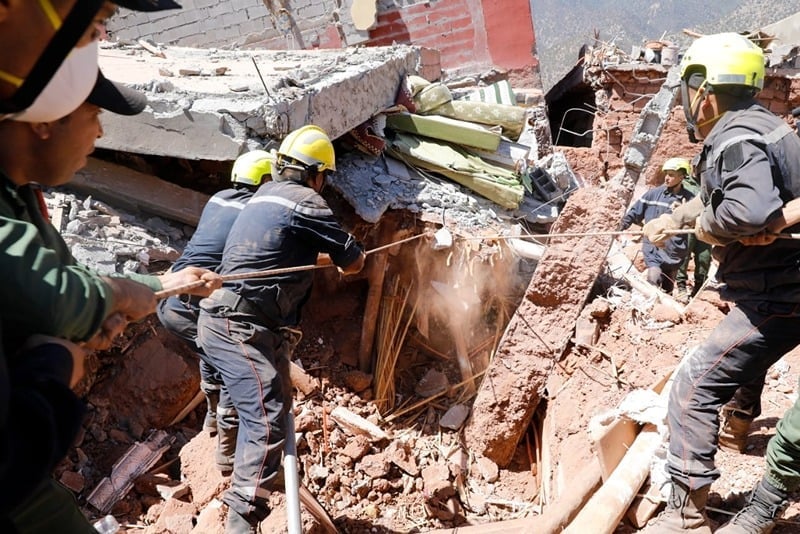
Morocco has recorded nearly 10,000 aftershocks since the powerful Atlas earthquake, the majority of which were recorded in the first two months following the event,” said Nasser Jabbour, director of the National Institute of Geophysics.
Several regions of, especially those affected by the September 8, earthquake, continue to experience aftershocks, both temporally and geographically irregular.
“Despite this large number, which is mainly due to the strength of the earthquake at that time, the aftershocks, both in terms of quantity and intensity, have witnessed a noticeable decline, as we used to record about 35 aftershocks per day, while recently we have been recording 3 to 4 shocks at most per day,” Jabbour told to Hespress.
“We were talking about between 4 and 5 degrees on the Richter scale in the first months, while recently we have been talking about shocks that do not exceed 2 degrees in strength.”
He also mentioned that it is likely that “aftershocks will remain prominent from time to time in the regions of Chichaoua, Al Haouz, Taroudant, and Ouarzazate as well, as these regions experience normal activity similar to what we have known for years and we have a prior idea about it.”
The director of the National Institute of Geophysics said that “the seismic aftershock activity has decreased significantly compared to the first months, even in the Ighil area, the epicenter of the September 8, 2023 earthquake; we are talking today about a decrease of about one-sixth.”
“This activity is now at its lowest levels even at the intensity level, which the National Institute of Geophysics is trying to keep up with continuously and around the clock through its departments and staff, as it has been doing since the last Great Atlas earthquake.”





add your comment
Terms of publication : Not to offend the writer, people, sacred things, or attack religions or the divine self, and refrain from racist incitement and insults.