
Welcome to this week’s edition of our Weekly Risk Watch, offering insights into economic indicators, political shifts, and security updates that could impact your business or daily life, all in one concise package.
Economy and Markets
-
Despite closures mandated for three days a week, some car wash shops continue to operate secretly, offering services like carpet cleaning. This undermines the regulations and could lead to reduced compliance and financial losses for businesses following a stronger reinforcement of rules.
-
Meat prices in Moroccan markets are rising despite reduced purchasing power, leading to government criticism. Importing livestock has not lowered prices, and decreased import volumes since Eid al-Adha have worsened the situation. High demand and elevated European prices are driving costs up in Morocco, risking further economic strain on consumers.
-
Protests among micro-businesses in northern Morocco have risen due to larger competitors dominating public contracts, despite a legal cap of MAD 500,000. Representatives of the Moroccan Confederation of Micro, Small, and Medium Enterprises proposes a regional quota system with a ceiling of MAD 250,000 to MAD 300,000 for local businesses. This proposal aims to address economic risks and support smaller enterprises affected by current procurement practices.
-
In Morocco’s first seven months of 2024, regular revenues rose by 11.4%, outpacing an 8.4% increase in expenditures, resulting in a positive balance of MAD 7.6 million. Despite this, rising costs pose an economic risk if expenditure growth continues unchecked, highlighting the need for careful fiscal management.
- The e-commerce sector, traditionally buoyed by increased national consumption during the summer, is currently experiencing a slowdown, while summer typically sees a surge in sales of seasonal items such as beach gear and summer clothing, a decline in orders despite ongoing advertising efforts is attributed to reduced consumer spending and the perception of online shopping as a discretionary expense, signaling the strong affect inflation has had on Moroccans’ consuming habits and power.
-
A recent European court ruling imposes new reporting requirements on Moroccan notaries, lawyers, and accountants dealing with European clients, despite Morocco not being under EU jurisdiction. The decision enforces the DAC 6 directive, requiring transparency in aggressive tax planning and limiting confidentiality exceptions. This adds compliance challenges and economic risks for Moroccan professionals working internationally.
Political Stability
-
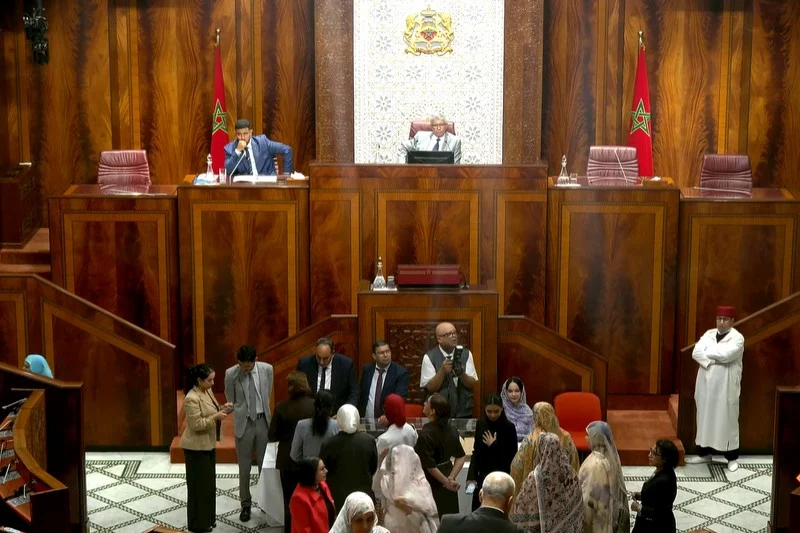
Opposition parties are backing up popular demands or an urgent committee session with key figures, including Minister Chakib Benmoussa and Moroccan National Olympic Committee President Fayssal Larraichi, as well as the heads of Morocco’s various sports federations, in response to the Kingdom’s abysmal 2024 Olympics campaign. This move could potentially expose flaws in sports and education management, impacting government accountability and leading to impactful leadership changes.
-
In Azilal, incomplete sanitary pits have led to a worsening environmental and health crisis in the Al-Amal and Nahda neighborhoods. The failure of a liquid disinfection project has caused foul odors and increased health risks, especially in the Al-Amal neighborhood. Activists criticized the government for neglecting these issues despite substantial budgets, raising political risks due to growing resident anger and deteriorating conditions.
- Protests in solidarity with Gaza and against Israeli bombings and normalization with Israel are renewed in 44 Moroccan cities this week, where protesters came out after Friday prayers, while others announced protests after sunset this Saturday. Among the cities that announced the organization of 102 protests “in support of Gaza and rejecting the storming of the Al-Aqsa Mosque” are: Casablanca, Setat, Barchid, Khouribga, Agadir, Rabat, Kenitra, Sidi Yahya Gharb, Tangier, Tetouan, Chefchaouen, Oujda, Fes, Meknes, Maddek, Sidi Bennour, Zamara, and Berkane.
-
Interior Minister Abdelouafi Leftit is reviewing convicted local officials who remain in office. A central committee is examining their legal status and handling suspension requests from governors. The rise in suspension requests and ongoing referrals to the judiciary for potential removal highlight political risks related to governance and accountability issues on a local level.
Cross-border
- The Libyan crisis has intensified as Haftar’s forces moved near the Algerian border and the House of Representatives voted to dissolve the Dbeiba government. Haftar’s push toward Ghadames, a strategic city with access to Algeria, escalates regional tensions. Although Haftar’s camp claims the operation is for border security, the situation heightens geopolitical risks by threatening regional stability and Algeria’s interests.
-
Ceuta’s local government has urgently sought help from Spain’s central and regional authorities to address a humanitarian crisis caused by overcrowded migrant reception centers for unaccompanied minors. With facilities overwhelmed, Ceuta’s President Juan Vivas is requesting financial support to manage the situation. This crisis underscores the geopolitical risk of strain on Spain’s immigration system and potential regional tensions, while also possibly forcing Morocco to intensify border control efforts.
Security
- Over 22 people were hospitalized in Azilal after suffering severe abdominal pain and vomiting from cheese consumed at a local celebration. The incident underscores a security risk related to food safety, highlighting potential dangers in public events and the need for better food handling practices.
- In Sidi Bennour, near El Jadida, alocal official from the Aounat area has been charged with murdering a 30-year-old man. The suspect, who lured the victim to a secluded location, killed him with a bladed weapon before fleeing the scene. The case presents a significant security risk, as it involves an authority figure implicated in a violent crime, raising concerns about abuse of power and public safety.
- In Marrakech, the Judicial Police and the General Directorate of National Surveillance arrested two suspects, including a French-Moroccan national, for allegedly kidnapping and violently detaining a Belgian national. The French suspect reportedly incited the second individual to carry out the abduction and confinement in an apartment. This case is raising concerns about criminal networks and the potential for similar incidents affecting both locals and foreigners in high-traffic tourist areas.







add your comment
Terms of publication : Not to offend the writer, people, sacred things, or attack religions or the divine self, and refrain from racist incitement and insults.