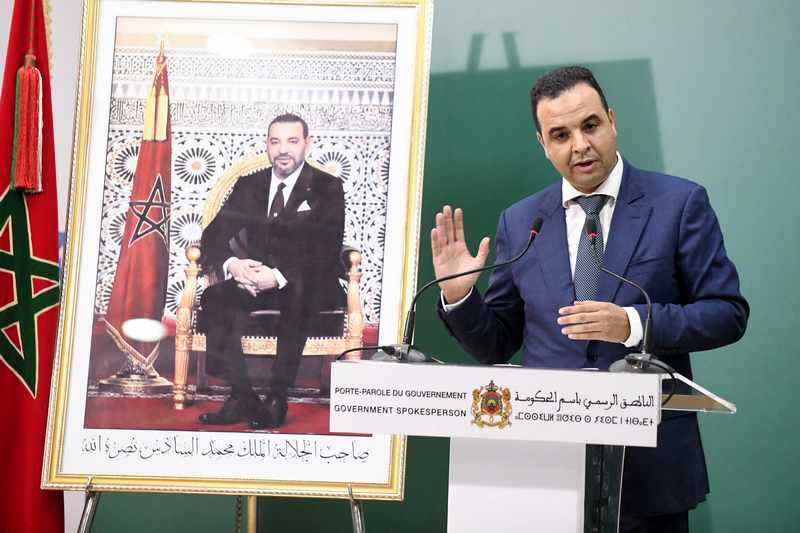
The government has denounced what it calls “widely circulated fallacies about the results of the dialogue with medical, dental and pharmaceutical students, as these fallacies are of a negative nature that does not serve the interest of all at a time when the legitimacy of some of the students’ concerns aimed at improving training was expressed.”
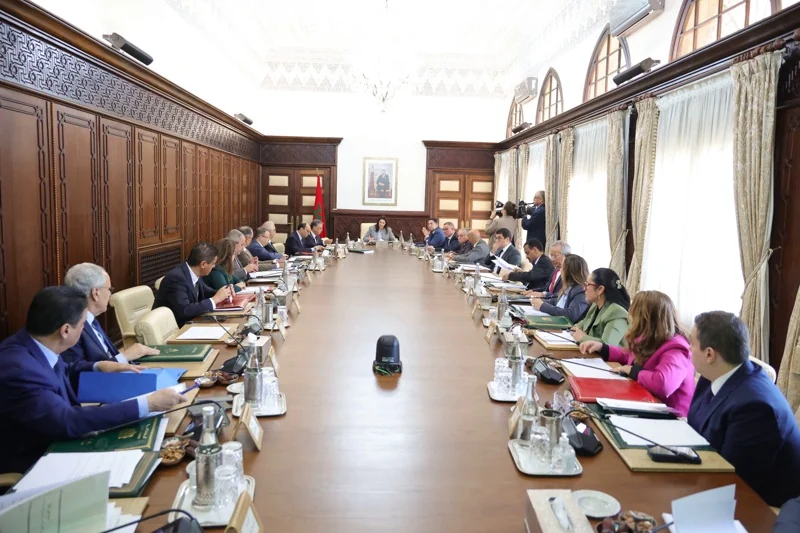
“The government takes full responsibility for the quality of medical training and calls on the various actors to assume their responsibilities in this regard as well,” said Government Spokesman Mustapha Baitas in a press conference today.
Current students in medicine and pharmacy, from the first to the fifth year, will continue to be guided by the current teaching scheme without change, stated the Minister.
“The government side reviewed measures to end this crisis, including immediate measures consisting of opening the spring session of the exams starting on June 26 and holding the remedial phase before the end of August, while remedial exams for the first semester will be scheduled at the beginning of next September, and zero points will be compensated for points obtained in the remedial period, with the recovery of hospital training periods that were boycotted during the 2024/2025 academic year,” he said.
The government official also emphasized “the executive body is actively listening to student representatives to overcome constraints related to medical and pharmaceutical training, as they were informed of the details of the pedagogical reform related to training in colleges aimed at eliminating dead time and responding to students’ demands.”
Implementation of the new medical training framework will begin in the upcoming academic year 2024/2025, which will concern the new cohort of students enrolled in the faculties of medicine and pharmacy from September 2024, Baitas stressed in a press statement on Tuesday.
He explains that this will be achieved by adopting a new national teaching specification for the medical doctor’s diploma, to be published by ministerial decree, within the framework of a six-year training course for the medical doctor’s diploma while preserving its academic and legal value.
According to the spokesperson, this new training system includes the integration of courses enabling students to develop skills in the fields of digital technology, artificial intelligence, telemedicine, family medicine, simulation, life and work skills, as well as foreign languages in line with developments in medical practice worldwide.
“This new system is based on innovative and diversified teaching methods, integrating distance learning as a complement to face-to-face teaching”, said the Minister.
He added: “Current students in their first to fifth years of study in the faculties of medicine and pharmacy will continue to be subject to the current teaching structure for medical training.”
In addition, he points out that students meeting the criteria for the sixth year will have the opportunity to benefit from clinical placements in hospital departments approved for training, supervised by regional committees before defending their thesis. These internships will last a minimum of three months, and up to a year. Participants will receive allowances similar to those of sixth-year students, as well as a certificate for each period of internship.
Baitas noted the integration of two modules for family medicine during the sixth year of training, as well as the adoption of a frame of reference for simulation-based learning will benefit all faculties of medicine, pharmacy and dentistry, while continuing to strengthen the equipping of faculties nationwide with the necessary equipment, and the adoption of digital and simulation-based content will benefit all faculties nationwide.






add your comment
Terms of publication : Not to offend the writer, people, sacred things, or attack religions or the divine self, and refrain from racist incitement and insults.