
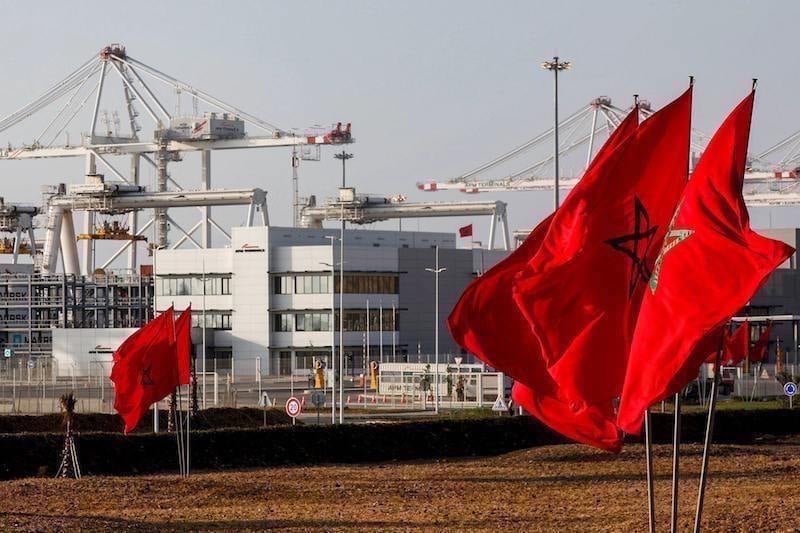
Morocco’s economy has shown remarkable resilience, bouncing back quickly from the COVID-19 slump with GDP per capita increasing steadily, reaching $3,570 in 2022, despite a major recession in 2020, according to a recent report by the World Trade organization.
This recovery is due in part to a strong rebound in exports, particularly manufactured goods like chemicals and vehicles.
The report notes that the European Union remains Morocco’s main trading partner, but the country is also diversifying its export markets through new trade agreements with the UK and African countries.
However, some challenges persist. Public debt has risen significantly, reaching nearly 70% of GDP in 2022.
While the government invests heavily in infrastructure, a complex tax system and continued state presence in some sectors hinder economic efficiency.
Morocco remains attractive to foreign investors, with foreign direct investment on the rise. A new investment law aims to encourage import substitution and boost exports, but navigating its complexities can be challenging.
The report states that restrictions on foreign investment in certain sectors remain.
Trade policy has seen significant shifts. Tariffs, particularly on non-agricultural goods, have increased.
While Morocco actively participates in the World Trade Organization (WTO), notifications on agricultural support and subsidies remain outstanding.
The country is working to simplify its VAT system (Value Added Tax) and harmonize tax regimes across different economic zones.
New regulations aim to protect domestic industries and ensure fair competition while price controls remain in place for some essential goods.
The agricultural sector, a major employer, is undergoing reforms through the “Generation Green 2020-30” strategy.
The report reveals that Morocco is a major player in the phosphates and derivatives industry, and the government is actively developing its renewable energy sector to reduce dependence on imported fossil fuels.
Tourism remains Morocco’s leading service export. Although hit hard by the pandemic, the sector bounced back in 2022.
During this time, Morocco began a significant overhaul of its tourism regulations. One notable change is the implementation of nationality or residency requirements for tourist guides and travel agents.
add your comment
Terms of publication : Not to offend the writer, people, sacred things, or attack religions or the divine self, and refrain from racist incitement and insults.