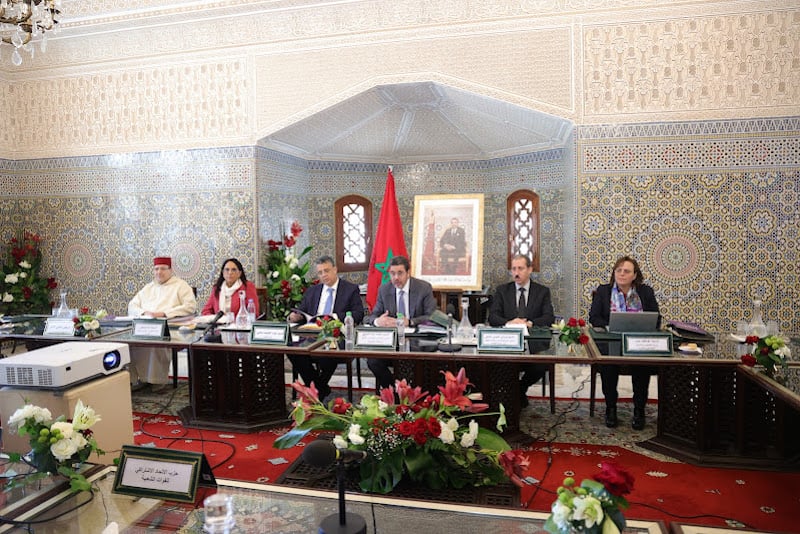
Morocco’s ongoing Family Code reform is a vital step towards the country’s modernization whose impact goes beyond women’s rights, extending to children and ensuring their basic civil rights, according to a recent report by Friedrich Naumann Foundation.
This reform debate pits conservative and religious forces, concerned about preserving Morocco’s Islamic identity, against progressive and liberal voices advocating for a legal system that reflects the country’s evolving social reality.
The report notes the significance of this open discourse stating that this process of reform and discussion is a testament to Morocco’s genuine desire to keep progressing, not just economically, but also socially.
The current Family Code falls short of the standards set by Morocco’s progressive 2011 constitution. It allows child marriage and polygamy under specific circumstances, disadvantages children born outside of wedlock, forbids interfaith marriage, and leaves women in vulnerable positions, particularly widows, divorcees, and single mothers. These limitations often lead to economic hardship for these women and their families.
While Morocco boasts a relatively advanced legal framework concerning women compared to the region, discriminatory practices persist.
The report identifies deeply rooted societal norms as the culprit, rather than solely the legal system itself. Two key points of contention are child marriage and inheritance rules.
Child marriage, though officially allowed only in exceptional cases with judicial approval since 2004, has become disturbingly commonplace.
Judges routinely grant exceptions, resulting in over 20,000 child marriages annually, overwhelmingly involving girls.
Human rights organizations have long called for a complete ban on marriage under 18, a position challenged by the influential Islamic Justice and Development Party, which views such unions as part of the right to form a family.
Inheritance is perhaps the most sensitive topic in the reform debate. Women’s rights groups have decried the current inheritance system as unfair and outdated.
However, unlike other provisions, inheritance rules have a direct basis in the Quran. This makes advocating for gender equality in inheritance a delicate issue for human rights organizations, wary of undermining Morocco’s Islamic identity.
A 2022 survey cemented this point: 44% of respondents strongly oppose any changes to inheritance law, while only 36% expressed openness to modifications. This suggests that when tradition clashes with calls for equality, commitment to Islamic identity takes precedence for many Moroccans.
Morocco stands at a crossroads. The Family Code reform presents an opportunity to bridge the gap between legal code and social reality, ensuring equal rights and protections for all citizens.
However, navigating the complexities of tradition, religion, and social progress will demand a thoughtful and inclusive approach.



add your comment
Terms of publication : Not to offend the writer, people, sacred things, or attack religions or the divine self, and refrain from racist incitement and insults.