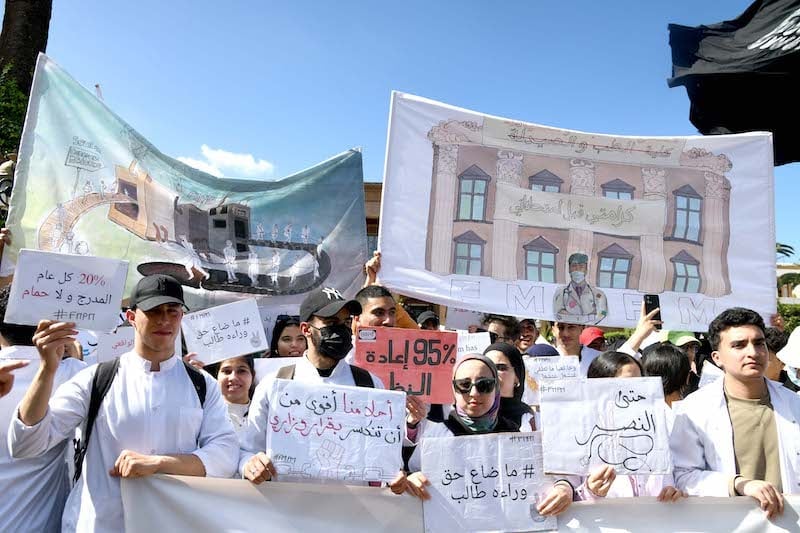
After two months of student-led strikes that brought medical, pharmacy, and dentistry faculties to a standstill, the Moroccan government has implemented firm measures to end the crisis.
In a clear message that “flexibility is over,” officials announced immediate steps to enforce exams, penalize boycotters, and address alleged intimidation tactics employed by some students.
The government declared that results for the first semester exams will be released immediately upon completion, followed by a mandatory remedial session. Students who boycotted the exams will automatically fail (“zero”) and be forced to retake the affected courses. Similarly, trainee absences exceeding three sessions will automatically fail the training period.
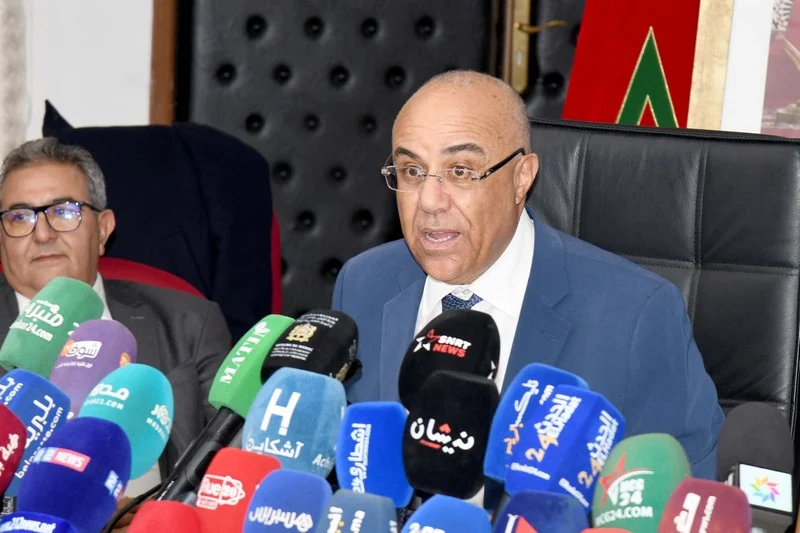
Minister of Higher Education Abdelatif Miraoui strongly condemned student actions, labeling them as “intimidation” and pledging to protect those pursuing their studies. The government vowed to take a firm stance against “defamation, blackmail, and bullying” within the faculties, extending the prohibition to include “humiliating” behavior towards fellow students.
Defending the controversial decision to reduce medical studies from seven to six years, officials called it a “sovereign decision.” Merawi criticized students opposed to the change, questioning their motives and accusing them of attempting to dictate educational policies. He vehemently denied accusations that the reduced study period aims to limit student emigration, instead emphasizing the international demand for Moroccan doctors.
Acknowledging its role in the stalled dialogue with boycotting students, the government took “political responsibility” for the impasse. However, Merawi asserted that some issues, falling under “state’s strategic policies,” are not up for negotiation.




add your comment
Terms of publication : Not to offend the writer, people, sacred things, or attack religions or the divine self, and refrain from racist incitement and insults.