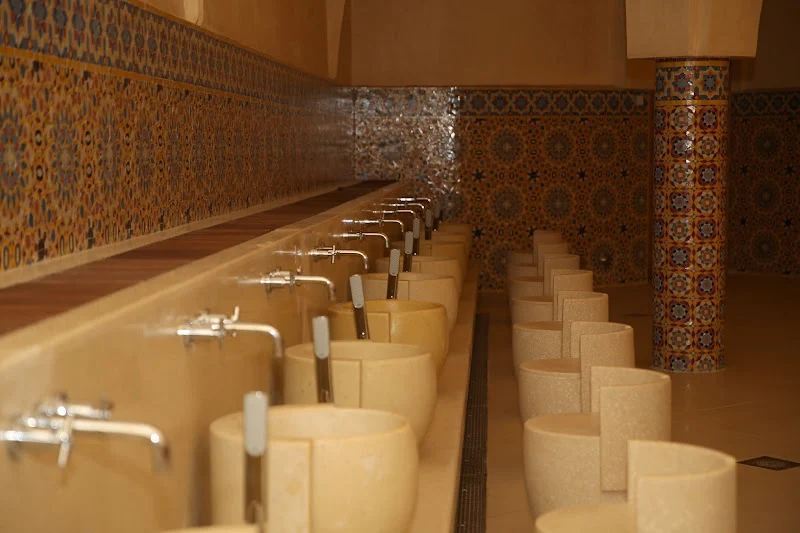
Morocco’s decision to cut down the operating days of the public baths (Hammams) to four has sparked debate, with critics deeming it ineffective and detrimental to the bathhouse workers.
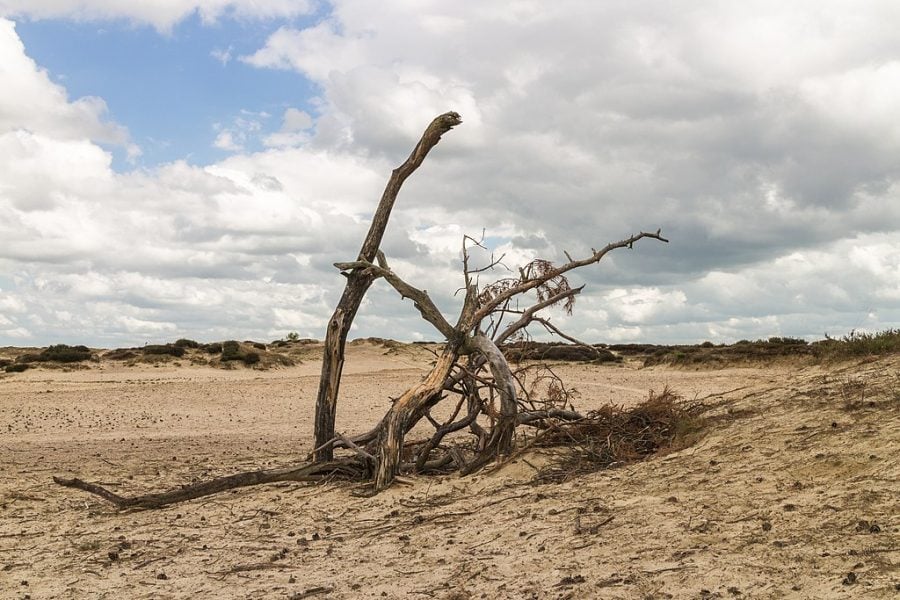
This move comes amid the sixth consecutive year of drought gripping the country, leading to significant water scarcity and casting doubt on the future of these public baths.
Ali Charroud, an expert in climate, told Hespress Eng that this authorities decision will not jeopardize the future of Moroccan public baths as they are part of the country’s traditional culture.
The long-standing tradition of the public bath is deeply ingrained not just in Morocco, but throughout North Africa, making its eradication practically impossible.
Charroud clarified that not all Moroccans have the means to afford private baths at home, as this would entail increased consumption of electricity, gas, and water, with no assurance that users wouldn’t waste water.
The expert added that reducing the operational days of public baths could potentially have unintended consequences, leading to the same number of customers crowding the facilities during the remaining four days.
“While the public baths operating days may be fewer now, the same amount of water would be wasted in addition to the crowdedness that is going to take place. Besides, not all Moroccans use the bathhouses” he said.
Reducing the operating days of the Hammams is anticipated to impact more than 200,000 employees in the sector, the majority of whom come from socioeconomically vulnerable backgrounds.
Owners of public baths expressed their dismay at this decision saying that the sector is still suffering due to the consequences of the Covid-19 pandemic and that such a decision puts them at risk.
The National Federation of Associations of Owners and Managers of Traditional Hammams and Showers sent an open letter to the Minister of the Interior, Abdelouafi Laftit, contesting its decision and calling for its suspension.
The letter says that this decision will not have the desired effect and will not make it possible to fight against water waste.
“If the hammams close, people will wash at home, which is likely to waste as much water as in a bathhouse, if not more. We believe that such a decision unfortunately lacks common sense, especially in the absence of accurate data and figures proving what such a measure can bring and how much water could be saved,” the letter says.
According to the Federation, the High Commission for Planning showed that Moroccan agriculture accounts for 87% of annual direct water consumption. While all services, including the hammam sector, have a water consumption of no more than 2%.
The letter added that the decision to close the bathhouses three days a week will not tackle water waste, but will hit professionals in the sector and especially employees, “tyaba” and “kessal”, who are already living in precariousness.
Charroud suggested that authorities should implement significant measures to address the ongoing water stress, such as constructing water desalination plants and raising awareness among Moroccans about the importance of conserving water in their daily routines.
“Water wastage will persist at the same level, whether in public bathhouses or in households, until citizens are educated about the pressing need to conserve it,” he said.
The expert proposed that authorities could alternatively implement higher water taxes during specific hours of the day, encouraging citizens to reduce their water consumption.
“Such a measure would, at least, affect all Moroccans making it even more efficient,” Charroud advised.
Amidst the ongoing severe drought in Morocco, authorities have introduced restrictive measures impacting various sectors including car washing, swimming pools, reducing domestic water flow and closing bathhouses for three days a week.





add your comment
Terms of publication : Not to offend the writer, people, sacred things, or attack religions or the divine self, and refrain from racist incitement and insults.