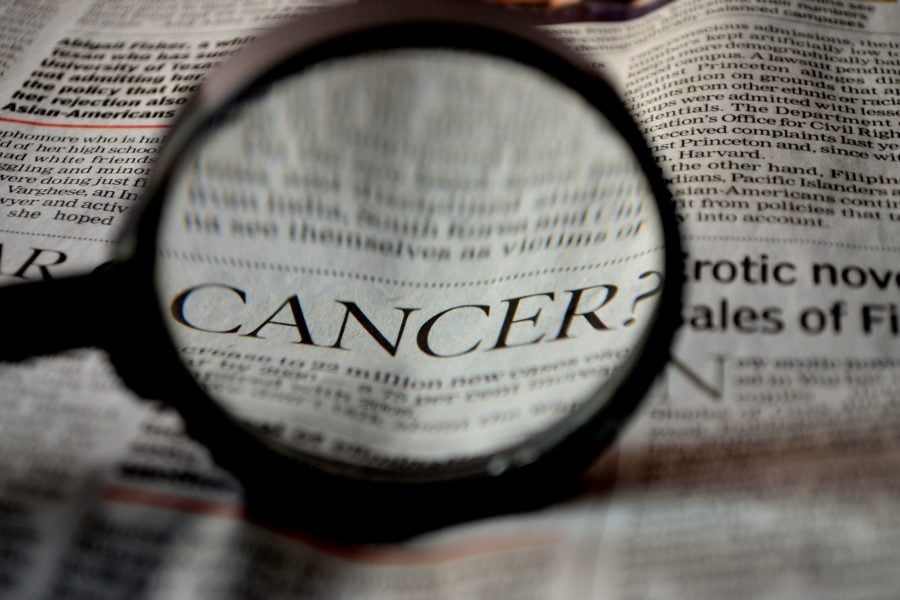
The International Agency for Research on Cancer (IARC) of the World Health Organization (WHO) has projected a significant surge in new cancer cases, estimating around 35 million by the year 2050. This represents a staggering 77% increase compared to the year 2022.
The WHO attributes this rapid rise in the global cancer burden to a combination of factors, including population aging, growth, and changes in people’s exposure to key risk factors. In a press release issued on World Cancer Day, the organization highlighted tobacco, alcohol, obesity, and air pollution as pivotal contributors to the escalating incidence of cancer.
Countries with a high Human Development Index (HDI) are anticipated to bear the brunt of this surge, with an alarming 4.8 million additional cases predicted in 2050 compared to 2022, according to the WHO. Notably, the proportional increase in cancer cases is expected to be most pronounced in countries with low HDI (142% increase) and medium HDI (99%). The consequences extend beyond incidence rates, as cancer mortality in these nations is projected to nearly double by 2050.
Dr. Freddy Bray, the head of the Cancer Surveillance branch at IARC, emphasized that the impact of this increase will be felt disparately across countries with different HDI levels. He explained that those with fewer resources to manage the burden of cancer-related morbidity will bear the heaviest load of this global health challenge.





add your comment
Terms of publication : Not to offend the writer, people, sacred things, or attack religions or the divine self, and refrain from racist incitement and insults.