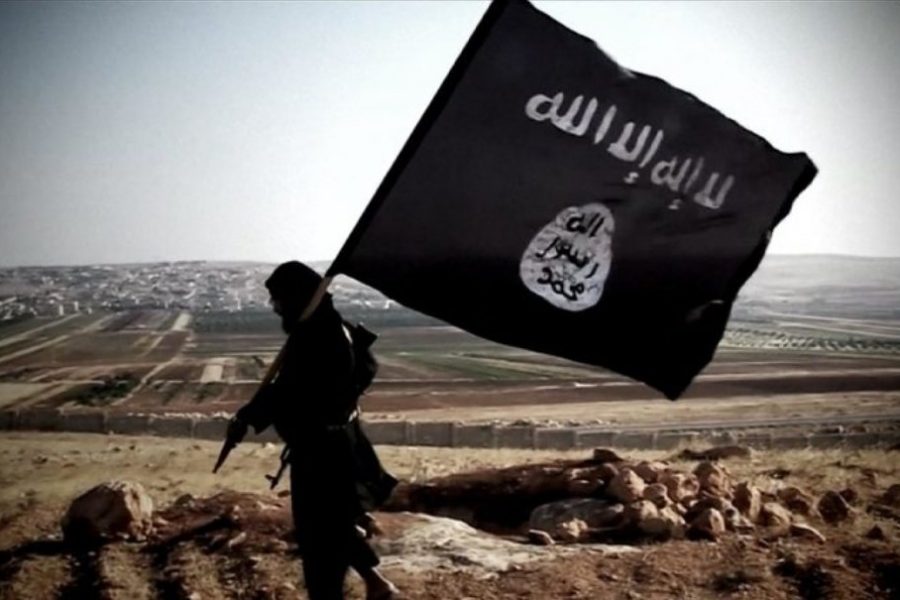
The Islamic State has reduced its attacks by focusing its battles to limit losses, while simultaneously increasing its membership through a strategic process of reconstruction and recruitment, according to a recent report by United Nations experts.
The experts underscored ISIS’ deliberate approach to reducing attacks to facilitate recruitment and reorganization.
This strategy, combined with its use of closed camps, has enabled the group to maintain a significant presence.
In northeastern Syria, approximately 11,000 suspected Daesh fighters are held in facilities under the Kurdish-led Syrian Democratic Forces.
Closed camps like al-Hol and Roj host over 55,000 individuals with alleged ISIS affiliations or family connections, enduring difficult conditions and humanitarian hardships.
The experts revealed that ISIS has focused on replenishing its ranks from camps in the northeastern Syrian Arab Republic and vulnerable communities in neighboring countries.
Despite experiencing significant setbacks in its leadership and restricting its activities in Syria and Iraq, ISIS maintains a large presence with an estimated 5,000 to 7,000 members across its former strongholds.
The experts’ report underscores the organization’s adaptability, noting that its threat level remains high in conflict zones while relatively subdued in non-conflict areas throughout the first half of 2023.
The panel emphasizes the dynamic nature of the situation and the ongoing potential for the group to make a resurgence.
ISIS, which declared a self-proclaimed caliphate in 2014 across parts of Syria and Iraq, continues to be a concern despite being officially declared defeated in Iraq in 2017.
Its sleeper cells persist in both countries, exploiting opportunities to rebuild and recruit new members.
The UN panel’s report also illuminated ISIS’ global reach. Afghanistan currently faces the most significant terrorist threat from the group, with an estimated 4,000 to 6,000 fighters and family members present.
Meanwhile, concerns were raised over potential exploitation of political violence and instability in Sudan by Daesh and similar terrorist groups.
The experts noted the growing autonomy of the Daesh affiliate in Africa’s Sahel region, which has played a substantial role in escalating violence in Mali, Burkina Faso, and Niger.
The report concludes by emphasizing the ongoing challenges posed by the Islamic State group and the necessity for continued international vigilance and cooperation to counter its threats effectively.



add your comment
Terms of publication : Not to offend the writer, people, sacred things, or attack religions or the divine self, and refrain from racist incitement and insults.