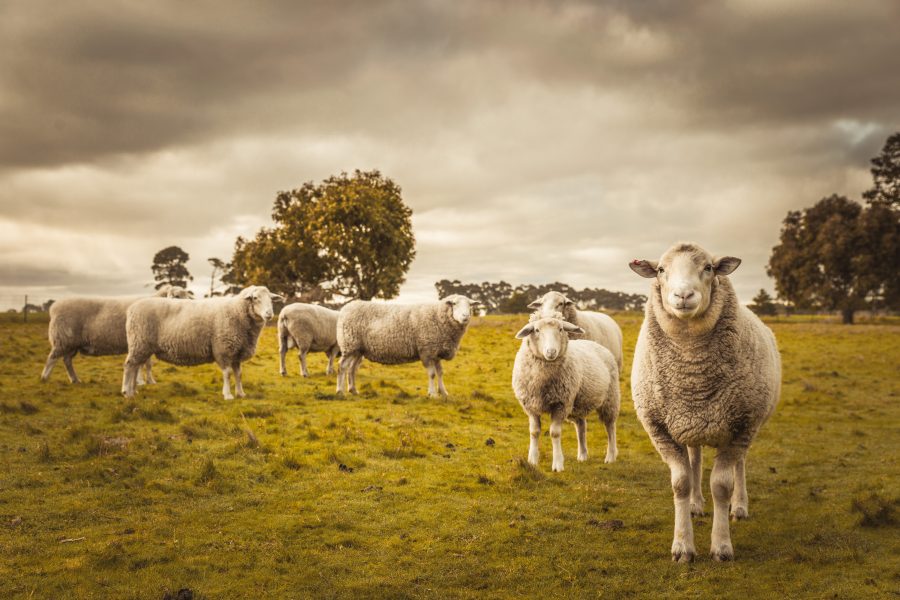
Morocco has witnessed a significant surge in live animal imports this year, with a remarkable 292.5 percent increase. The cost of importing animals for feeding rose from 240 million dirhams to 942 million dirhams in the first five months of the current year, as per data from the Exchange Office.
To combat the high meat prices caused by drought, limited pastures, and costly animal feed, Morocco turned to importing cows from countries like Brazil, France, and Spain.
The government attempted to control prices by supporting importers but was unsuccessful, leading to continued high prices. Morocco also subsidized the import of livestock, particularly from Spain, in an effort to boost the national supply of sacrificial animals.
Despite a surplus of animals for Eid al-Adha, prices remained elevated in various markets. The average price for sacrificial animals during this year’s Eid celebrations increased by 400 dirhams compared to 2019, primarily due to inflation, consecutive years of drought, and expensive animal feed, which adversely affected farmers’ profit margins, especially smaller ones.






add your comment
Terms of publication : Not to offend the writer, people, sacred things, or attack religions or the divine self, and refrain from racist incitement and insults.