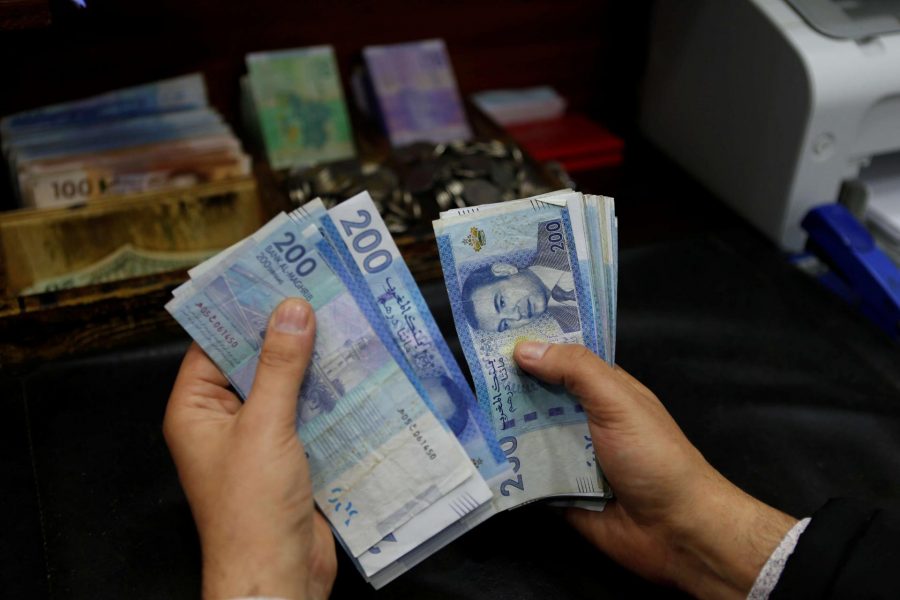
The International Monetary Fund (IMF) mission to Morocco confirmed that there is a need to further raise the main interest rate in the future, in order to rein in and stabilize inflation again at about 2% by 2024.
A report issued by the IMF following consultations with Moroccan authorities said that inflation is expected to decline over the coming year in light of the expected decline in global raw material prices.
IMF officials said the decision to raise the main interest rate by the Moroccan Central Bank BAM in September was the “correct decision” to counter the accelerating pace of rising prices of raw materials globally, especially those related to nutrition and energy.
BAM had decided to raise its key interest rate to 2% from 1.5% in place in 2020, after facing inflation that reached 8.3% this past August, the highest level since 1995.
International Monetary experts considered, during a press conference on Friday, that BAM’s decision to raise the main interest rate by 50 basis points will not have a significant impact on the growth of the Moroccan economy.
The government has tried to counter rising inflation by increasing the budget of the basic goods subsidies fund, which affects the prices of sugar, flour, and butane gas.
Financial support has also been allocated to transport professionals to cope with rising fuel prices. Despite these measures, inflation has jumped to its highest level in decades.
Raising the key interest rate affects the interest rates that banks apply to businesses and individuals seeking loans, and the aim of raising interest rates is to reduce demand for financing and money in circulation, to curb inflation.
The BAM’s Board is expected to meet on December 20, the fourth and final date of this year.
During this final trimester meeting for 2022, the Board will decide to either maintain, reduce or raise the key interest rate, as well as release the new outlook for growth, inflation, and deficits.
According to the International Monetary Fund, Morocco’s economic growth is expected to stabilize at 1.25% this year, and the current account deficit is expected to worsen to about 4.25% of GDP.
If external conditions improve gradually and are accompanied by an average improvement in agricultural season conditions, “growth is expected to rise to about 3% over the next year and the current account deficit will shrink to nearly 3.5% of GDP,” according to the international finance body, who stressed that “these forecasts remain uncertain.”







add your comment
Terms of publication : Not to offend the writer, people, sacred things, or attack religions or the divine self, and refrain from racist incitement and insults.