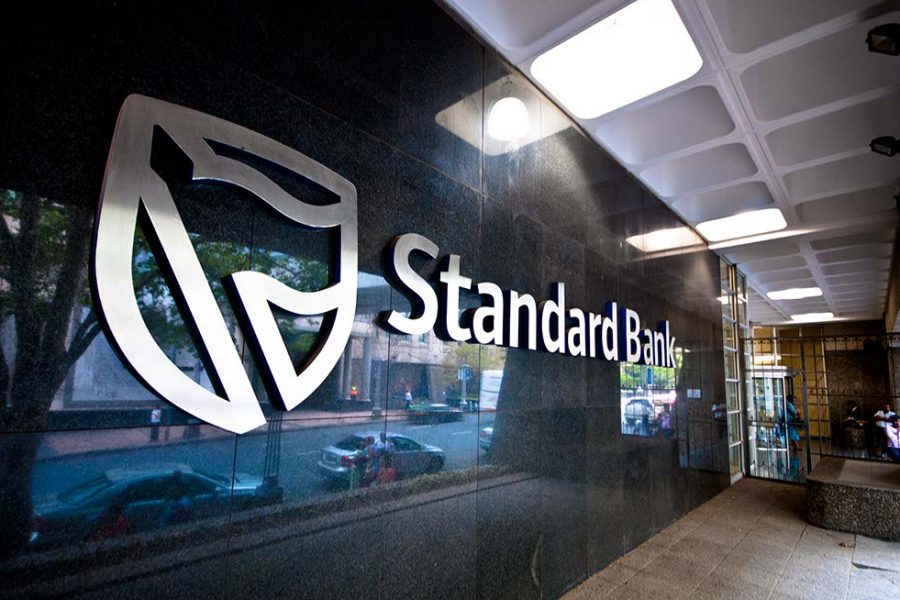
As Africa’s largest lender by assets increases its position in important markets across the continent, Standard Bank Group Ltd. is open to acquisitions in Nigeria and Kenya. The bank may also enlarge its network to include Morocco.
In South Africa, Standard Bank aims to reach the unbanked, reported Bloomberg Middle East.
According to Standard Bank Chief Executive Officer Sim Tshabalala, the lender is also eager to strengthen its operations in Ethiopia, where it has a representative office, and South Africa, its home market.
“If there was a properly priced asset with acceptable risk, we would definitely look at acquiring,” he said, referring to Nigeria and Kenya. In 2007, Standard Bank acquired ownership of its Nigerian division for $400 million.
To combat escalating competition and take advantage of African businesses expanding in the area, companies are expanding in the continent’s largest markets. The African Continental Free-Trade Area, the largest regional trade agreement in the world by membership and population, as read on Bloomberg, is gradually taking hold, which has the potential to boost commerce as well.
In contrast to five to ten years ago, Tshabalala noted, that there are a number of African multinationals, that have a regional strategy, as well as foreign multinationals who are operating in countries where Standard Bank doesn’t operate in like Morocco, the Ivory Coast, and Egypt, he said, “they want us to provide them a service, which challenges us to think outside the existing network.”
The prognosis for Standard Bank’s profitability has changed for the better, and this “stronger background allows the institution to focus on expanding exposure in higher-growth pan-African markets,” according to Bloomberg Intelligence analyst Philip Richards.
He said that it has “extra capital, which may be used for acquisitions or investments to grow in external markets across Africa.”
Two recessions have occurred in Nigeria’s economy in the past six years, and the country is currently experiencing its highest inflation rate in 17 years.
Ethiopia’s Tigray area is currently experiencing severe instability and conflict.
The lender is afraid that South Africa’s inclusion on the global watch list for illicit funding may raise capital costs in its domestic market, reported Bloomberg.
Africa’s largest industrialized economy has been challenged by the Paris-based Financial Action Task Force to show that it has a solid plan in place to address its issues.






add your comment
Terms of publication : Not to offend the writer, people, sacred things, or attack religions or the divine self, and refrain from racist incitement and insults.