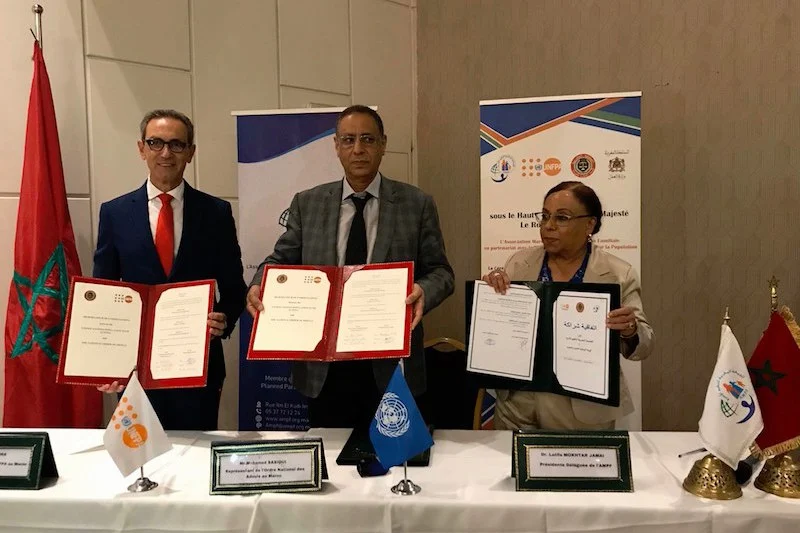
In the midst of Morocco’s rising divorce rate, two Truman agreements were reached to help rehabilitate newlyweds, especially young people in order to help them build healthy married lives and form cohesive families.
The two agreements were reached by the Moroccan Association for Family Planning, the United Nations Population Fund, and the National Authority of marriage officiants.
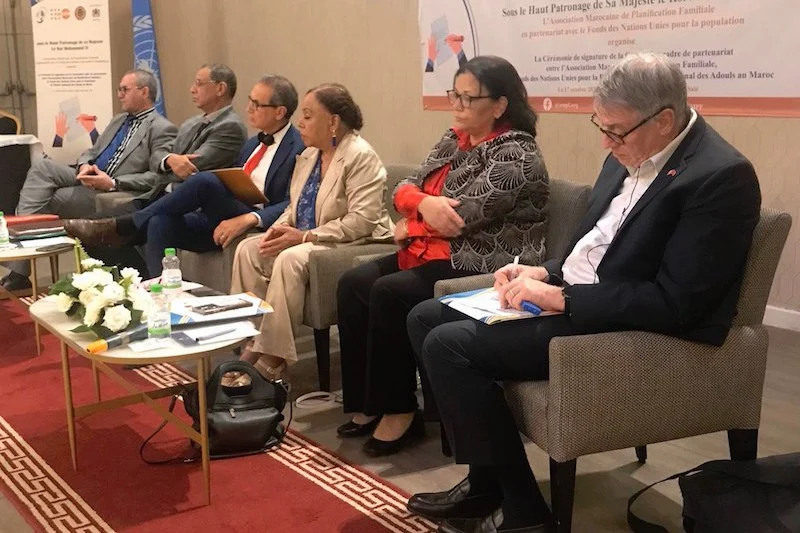
The goal is to create training and awareness programs, as well as provide health services, in a move to reduce reproductive and sexual health risks that can harm health and lead to divorce and family breakdown.
President delegate to the Moroccan Association for family planning (AMPF), Latifa Jamai said the signing of the agreements aims to provide training courses for young people in sexual and reproductive health, as well as full sexual education because many couples are unaware of their own or their partners’ bodies.
Jamai further told Hespress in a statement that the two agreements’ signatories involve a guide on legal advice, social and ethical advice, and information about sexual, and reproductive health, in addition to sexually transmitted diseases.
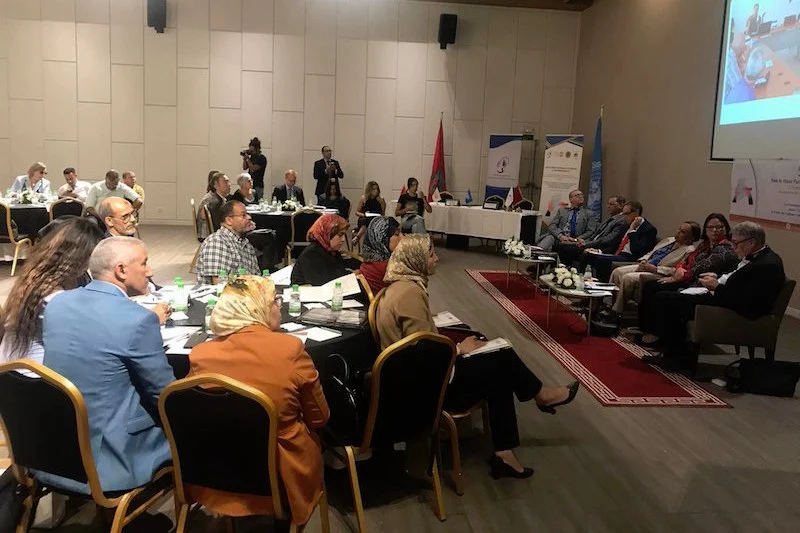
Head of the Regional Council of marriage officiants in the eastern region, Driss Fares considered that rehabilitating those who are about to marry will contribute to the formation of a cohesive and healthy family, whether in psychological, sexual, or religious terms.
The participating officiant bodies expressed their willingness to engage in the project to rehabilitate those who are about to marry, as Youssef Ait Elhou, head of the regional council for the adouls of the Rabat appeals court stated that “officiants have played pioneering roles in the stability of the family, and even in the amicable dissolution of the association throughout history.”
“The officiant is ready to work on family stability, and there are high competencies in this field, which enhances the presence of women who know the secrets of the family more than men, before inquiring about the availability of mechanisms that will enable the agreement’s implementation for those wishing to get married,” he added.
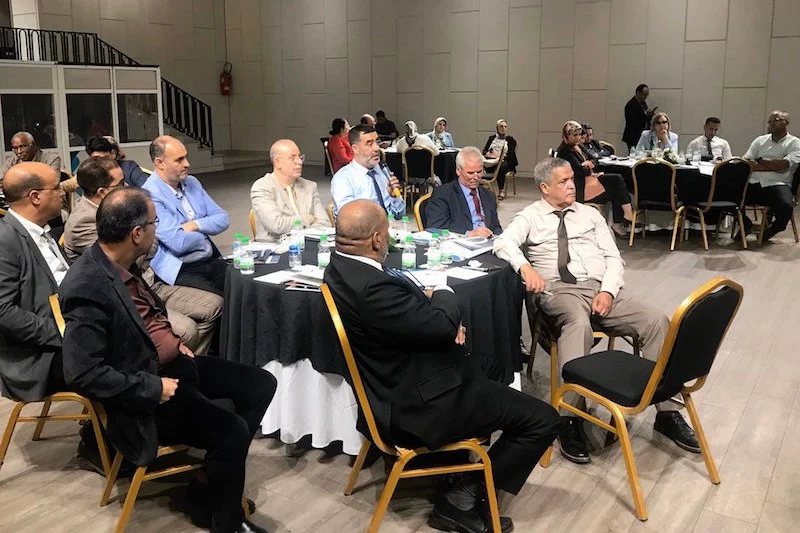
This move comes as a response to the increased divorce rate nationwide, reaching its highest levels since the implementation of the new family code “Moudawana“ in 2004.
Last month, the Ministry of Justice said in a response to a written question in parliament the number of divorce cases went from 26,914 in 2004 to 20,372 cases in 2020, rising again in 2021, reaching a total of 26,957 cases.
Overall, 135,724 divorces were confirmed in 2021 against 7,6936 the previous year. In 2005, 28,232 divorces had been registered, while 270 weekly divorces were pronounced in 2017, due to rectifications made to the Family Code, according to the same source.







add your comment
Terms of publication : Not to offend the writer, people, sacred things, or attack religions or the divine self, and refrain from racist incitement and insults.