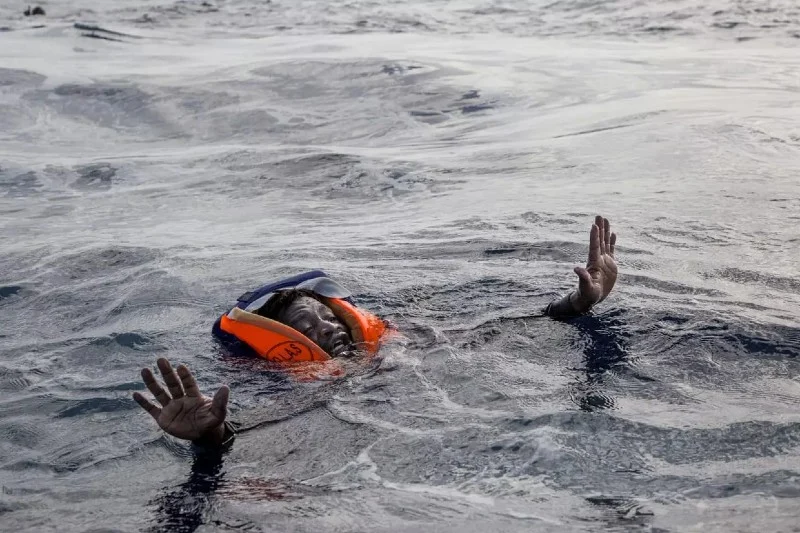
Morocco and Spain began negotiations that are set to grant Morocco the authority over rescue operations and locating migrants between the Sahara and the Canary Islands.
According to the current international allocation of Sea Search and Rescue (SAR) areas, Spain is responsible for providing assistance in the event of any drowning, accident, or hazardous situation in about one million square kilometers of the ocean around the Canary Islands, in a vast area stretching from north of Lanzarote to Nouadhibou ( Mauritania).
The organization Alarm Phone, known in international circles, indicated that Morocco is moving to become responsible for carrying out rescue operations in the waters south of the Canary Islands, which are now monitored by Spain.
The same organization stressed that Madrid is in advanced negotiations with Rabat regarding rescue interventions off the Atlantic.
Spain’s Interior Ministry previously stated that the total number of incoming boats has dropped to 3.3% this year.
The Ministry revealed that the number of migrants who arrived in the Canary Islands reached 10,637 from the beginning of 2022 to August 2022, recording a 14% increase compared to the same period in 2021.
“We haven’t even gone through the toughest time of year yet,” Spanish journalist Txema Santana told El Pais.
The Canary Islands government spokesperson, Julio Perez, expressed in a press conference he held earlier this week that the situation is “highly concerning,” adding that “it is not surprising that the people who jump into the sea are motivated by the increasingly unstable conditions in their countries.”
Most migrants who were registered to have been found in the Atlantic come from sub-Saharan countries, especially Mali, Senegal, and the Ivory coast, which have been retained from the previous years’ statistics.
53% of the arrivals to Lanzarote and Fuerteventura are from Morocco, North of Western Sahara, according to the Spanish EFE news agency and the Red Cross.
The number of women remained at around 30%, one of the most significant changes noticed last year.
The recent spike in arrivals resulted in the rise in population, the islands went from 4,000 people to more than 9,200 and continue to increase.
However, the IOM’s data shows that 24,598 migrants are presumed dead or missing since 2014, and 1,264 cases, 45 of which are children, have been recorded since the beginning of this ongoing year.







add your comment
Terms of publication : Not to offend the writer, people, sacred things, or attack religions or the divine self, and refrain from racist incitement and insults.