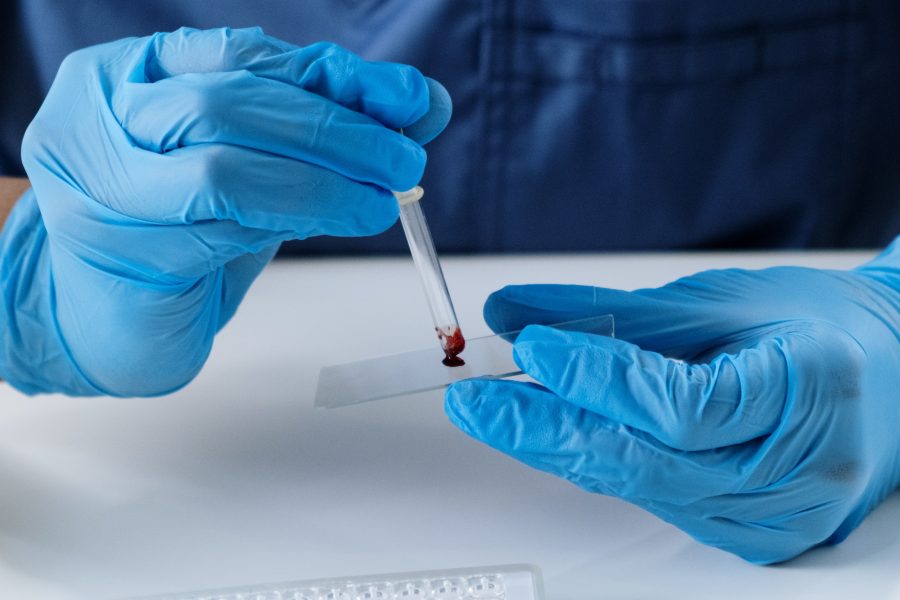
Scientists discovered that doppelgangers might share similar DNA in a study that consisted of analyzing 32 pairs of doppelgangers.
The study was published in the Cell Reports Journal, led by Dr. Manel Esteller, a researcher at the Josep Carreras Leukaemia Research Institute in Barcelona, Spain.
The scientist had previously studied the physical differences between identical twins and was curious about the genome similarities between people who look alike but are not actually related.
The doppelgangers were all previously photographed by François Brunelle, a Canadian artist who has been photographing look-alikes all over the world since 1999.
DNA tests were taken from the 32 pairs of lookalikes and they were asked about their lifestyles.
With the help of facial recognition software, the scientists were able to quantify the similarities between the participants’ faces.
Three different methods of facial recognition were used, forming a reliable algorithm
Surprisingly, sixteen of those 32 pairs achieved similar scores to identical twins analyzed by the same software.
After a DNA comparison of the pairs, the 16 pairs who were “true” look-alikes according to the facial recognition software shared significantly more of their genes than the other 16 pairs that the software deemed less similar.
The researchers mentioned that it was difficult to obtain look-alike data which restricted their ability to perform large-scale statistical analyses.




add your comment
Terms of publication : Not to offend the writer, people, sacred things, or attack religions or the divine self, and refrain from racist incitement and insults.