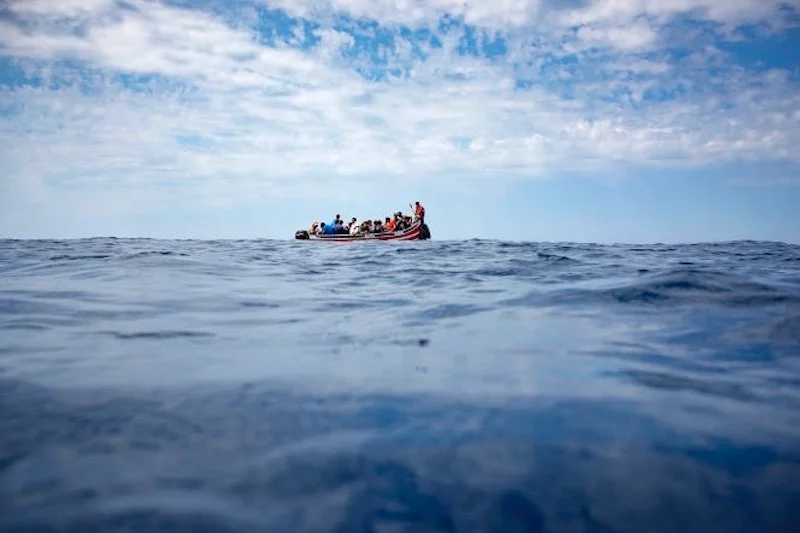
UN Refugee Agency, warned today that protection services are gravely lacking for refugees and migrants making perilous journeys from the Sahel and Horn of Africa towards North Africa and Europe, including surviving victims of human trafficking.
The UNHCR said migrants endure repeated acts of sexual and gender-based abuse, kidnappings for ransom, torture, and numerous other forms of physical and mental abuse. Some victims are abandoned to die in the desert.
The second-of-its-kind report highlights the gaps in protection services that are currently offered, particularly in housing, access to justice, identifying survivors, and providing responses to gender-based violence, trafficking, and unaccompanied and separated children.
Burkina Faso, Cameroon, Chad, Cote d’Ivoire, Djibouti, Ethiopia, Mali, Mauritania, Morocco, Niger, Somalia, and Sudan are among the 12 nations it covers.
The Report, published on the eve of the World Day Against Trafficking in Persons mapped the protection services that are available to migrants, refugees, and asylum seekers traveling along these routes.
“I am appalled by the abuses that refugees and migrants face as they travel through the Sahel and the East and Horn of Africa towards North Africa, and sometimes on to Europe,” said UNHCR Special Envoy for the Central and Western Mediterranean Situation, Vincent Cochetel. “Too many lives have been lost or broken on these routes.”
In Morocco, the UNHCR pointed to the main cities of transit or residence for people on the move being Rabat, Casablanca and Marrakech, as well as Tangier, Assilah, and Tetouan in the north, Oujda and Nador in the northeast of the country near the Algerian border, and Fès and Meknès in the east.
“As people on the move attempt to make their journey and/or apply for asylum, some fall victim to exploitation, physical violence, and trafficking. Most of the victims of these abuses are women and children,” said the report in its Morocco segment.
There are no service providers that are working solely on the issue of the trafficking of persons in Morocco. Although Morocco adopted a law on human trafficking in 2016, there are significant gaps in terms of identification, access to care, and durable solutions for victims of trafficking






add your comment
Terms of publication : Not to offend the writer, people, sacred things, or attack religions or the divine self, and refrain from racist incitement and insults.