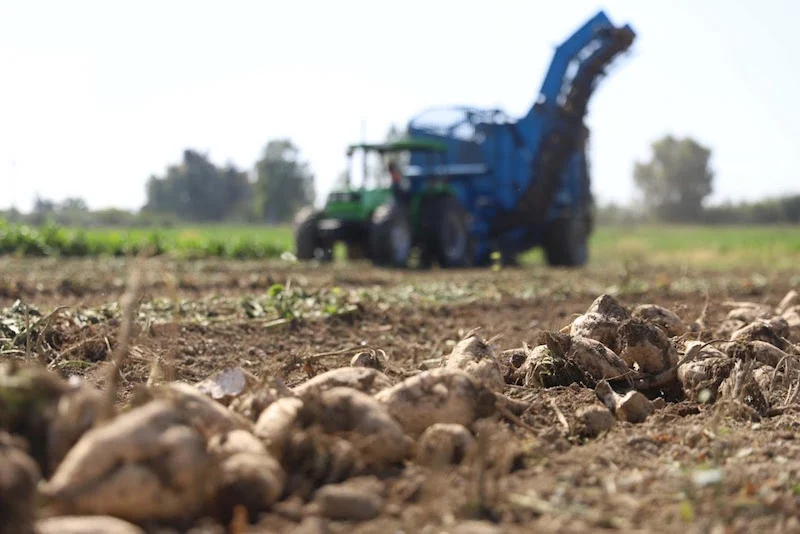
Women experience disparities linked to their visibility, and representation in the society, mainly women who work in agricultural activities, according to a report by OCP.
This report is the fruit of an online conference, entitled “women farmers: cross-references between Europe and Africa,” which was held on March 8, as the world celebrates women’s day.
Globally, family farming dominates the domestic, and productive form of agriculture, bringing together 40% of the world population whose income depends directly on this activity ( 2.6 billion people), said the report.
The place of women in the agricultural sector is still demonstrating disparities, in comparison to men, said the report.
Men benefit from the status of the farming manager, as he is already head of the family, while women lack empowerment, added the report.
In Europe, the risk of a generation gap
European women suffer from a lack of recognition, with only 27% of farming managers in France being women, said the report.
Women who work as farming managers are more present in Lithuania and Latvia (45% of farms), while in Malta, Germany, Denmark, and the Netherlands, they run only 10% of farms.
According to Eurostat, this lack is mainly due to the generational gap, as only 4.2% of women are farming managers in Europe who are aged under 35, while women aged 35 and above represent 42% in this position.
This data highlights a lack of attractiveness for young women in the agricultural sector, according to the same report.
In Africa, discrimination based on gender
In Africa, although women make up more than half of the agricultural population, they are generally deprived of factors that can improve their productivity, according to the World Bank’s report.
A World Bank’s report entitled “Leveling the Field: Improving Opportunities for Women Farmers in Africa”, published in 2014 mentioned the striking differences in production between men and women in six African countries, including Ethiopia, Malawi, Niger, Nigeria, Uganda, and Tanzania.
In South Africa, women produce up to 80% of food for household consumption and sale in local markets, despite their role, according to the World Bank’s report.
In Nigeria, for example, women make up around 60% to 80% of the agricultural labor force, while men hold the decision-making position in the sector.
Additionally, African women do not benefit from access to land ownership and bank loans, and don’t have the same rights as men, mainly access to agricultural inputs, training, and markets.
In its report, the World Bank called for political action to narrow the gender gap in African agriculture.





add your comment
Terms of publication : Not to offend the writer, people, sacred things, or attack religions or the divine self, and refrain from racist incitement and insults.