
Morocco continues to raise its goals in terms of sustainability and clean energy, this time eying a drastic reduction of greenhouse emissions.
The Moroccan Ministry of Energetic Transition and Sustainable Development has delivered its long-term low-carbon strategy for the next 30 years, as elaborated within the framework of the United Nations Framework Convention on Climate Change (UNFCCC).
The roadmap outlines the country’s strategies to develop new green value chains, improving the competitiveness of the country’s economy, while ensuring its decarbonization.
The Moroccan government aims to accelerate the strong development of renewable energies, particularly when it comes to drastically decarbonizing electricity, setting an indicative target of 80% by 2050.
A deeply decarbonized energy mix would lead to “lower imports” for petroleum products and ammonia, while significantly “reducing the country’s energy bill,” and improving its energy supply security.
Morocco has additionally reiterated its plans to generalize energy and natural resource efficiency across all sectors in this recent report while developing standards and quality infrastructure for construction and equipment.
To increase the electrification of uses in the industry, transport, and building sectors, while forgoing polluting energies, is a major goal highlighted by the new roadmap.
The current target for a clean energy mix is 52% by 2030, as announced during the recent Glasgow COP26, which has been described as both ambitious and very feasible by experts.
Morocco’s Nationally Determined Contribution targets are currently being revised and provide for an increase in the country’s ambitions in the clean energy transition.
The continued rapid decline in the cost of renewables and their storage mechanisms emboldens Morocco’s ambitions, which is now targeting decarbonization strategies focused on green electricity and hydrogen production.
A renewable energy share of 70% by 2040 and 80% by 2050 in the electricity mix in terms of both energy and capacity is feasible with current technologies and cost perspectives.
According to the decarbonization strategy, going beyond these rates could lead to significant additional costs, but the situation may change with the technological progress expected in the coming decades, as the road map spans 30 years as of 2022.
By 2050, conventional thermal power plants, such as coal, natural gas, and fuel oil, will be significantly reduced, like smart grids, storage units, and demand management solutions will be key to managing intermittency and balancing the system.
Green hydrogen produced by electrolysis from renewable electricity and its derivatives ammonia and methanol, could also contribute to decarbonizing energy sectors and uses that cannot be directly electrified.
They are mainly found in heavy transport such as ships, planes, and long-distance trucks, and in certain specific industrial applications that utilize industrial heat at very high temperatures.
According to the guidelines of the decarbonization roadmap, increasing the share of renewable electricity and increasing the electrification of end-uses are the main levers for decarbonizing the energy mix in the industry, building, transport, and agriculture sectors.
This increase in the share of renewables “must not be at the expense of Morocco’s competitiveness,” as the document outlining the strategy emphasizes.
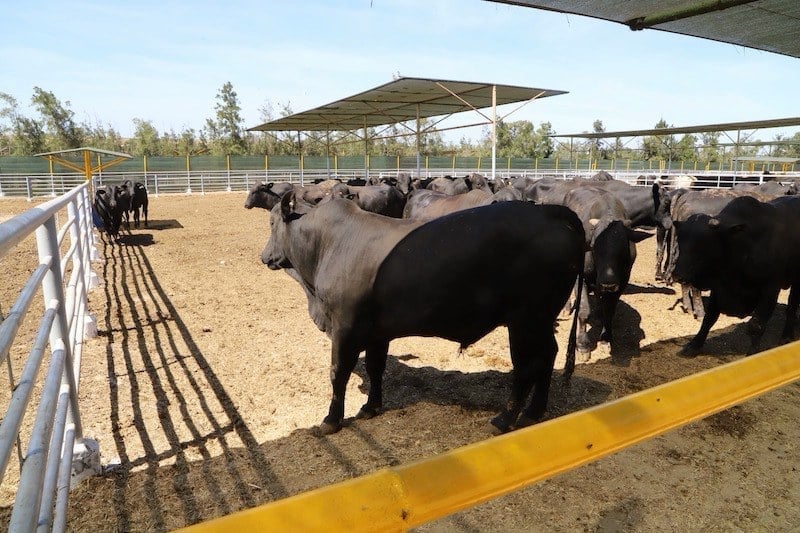
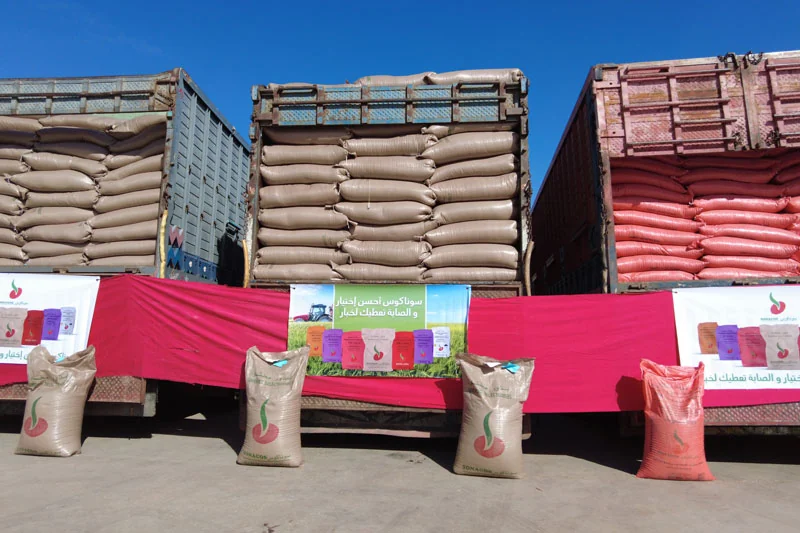
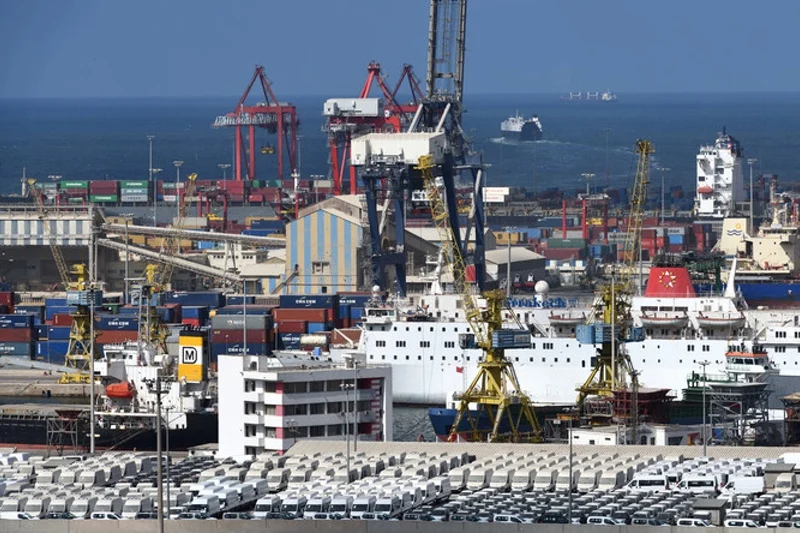
Considering Morocco’s growing exporting power, the country is keen on balancing reduced gas emissions while maintaining and improving its status as a key exporter of agricultural and semi-manufactured goods.
The transition to a low-carbon energy mix elaborates on this concern, highlighting “the significant economic and social benefits particularly in terms of employment.”
The roadmap indicates that increasing the share of low and medium-voltage self-generation in electricity production “will complement the approach based on large-scale industrial solar and wind projects,” allowing for the mass demand and use of renewables, which will inadvertently generate multiple opportunities for skilled workers on the local level.
Morocco is also considering the export of certified green electricity and green hydrogen or its derivatives to European and African partners, in view of the country’s strategic proximity.
The other objectives are to promote a circular economy, improve waste management, develop food and forest ecosystems that are sustainable and resilient, as well as carbon sinks.




add your comment
Terms of publication : Not to offend the writer, people, sacred things, or attack religions or the divine self, and refrain from racist incitement and insults.