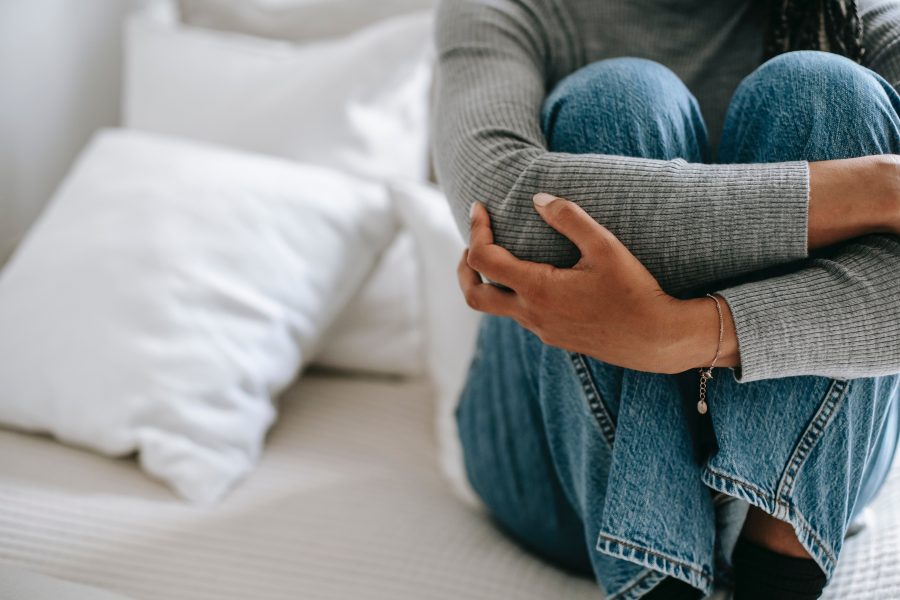
Amid the COVID-19 lockdown, Rabie Boulaq and manal Allali, two Moroccan students were driven by their passion for wellbeing, and the growing need for mental help among Morocco’s youth to launch their dream project: Ear4You.
A completely free therapy service, where users can schedule online appointments with one of the Ear4You group, to talk about psychological difficulties, ask for advice and examine their mental health conditions.
“Sometimes you just need someone to listen to you, to understand you, and tell you: yes you are heard and you are not alone,” said Rabie, a 23 years old Moroccan student.
The free service ensures to follow up with its clients even after the scheduled appointments. “We make sure to call people who come to us back, to make sure that they are getting better, and help in whatever they need,” added Rabie.
The two Moroccan students launch the project with the help of mental health specialists in April 2020, “we are still a small group, we are still trying to find more people to contribute with their experience in the concept of our project, but we won’t give up Ear4You, it’s a concept that we strongly believe in,” stressed Rabie.
The Covid-19 pandemic led to an increase of more than 25 percent in cases of major depressive disorder and anxiety disorders, according to a new study by researchers from the University of Queensland’s School of Public Health.
The study estimated that 2020 saw an additional 52 million people suffer from major depressive disorder, while an additional 76 million struggles with anxiety, most of them are women and young people.
Adolescent suicide, depression, and other mental health disorders were serious issues long before the onset of the global pandemic.
Now, two years into the pandemic, experts are releasing statistics showing the drastic rise in mental health issues in all age groups, including adolescents.
The World Health Organization (WHO) estimates ten to twenty percent of adolescents worldwide to be struggling with mental health issues.
Youth is a unique and formative time. Multiple physical, emotional, and social changes, including exposure to poverty, abuse, or violence, can make adolescents vulnerable to mental health problems, suggests WHO.
According to the latest national epidemiological survey in 2016, 40% of the Moroccan population aged 15 and over suffers or has suffered, from a mental disorder: 26.5% from depressive disorders, 9% from generalized anxiety, and 5.6 % of psychotic disorders.
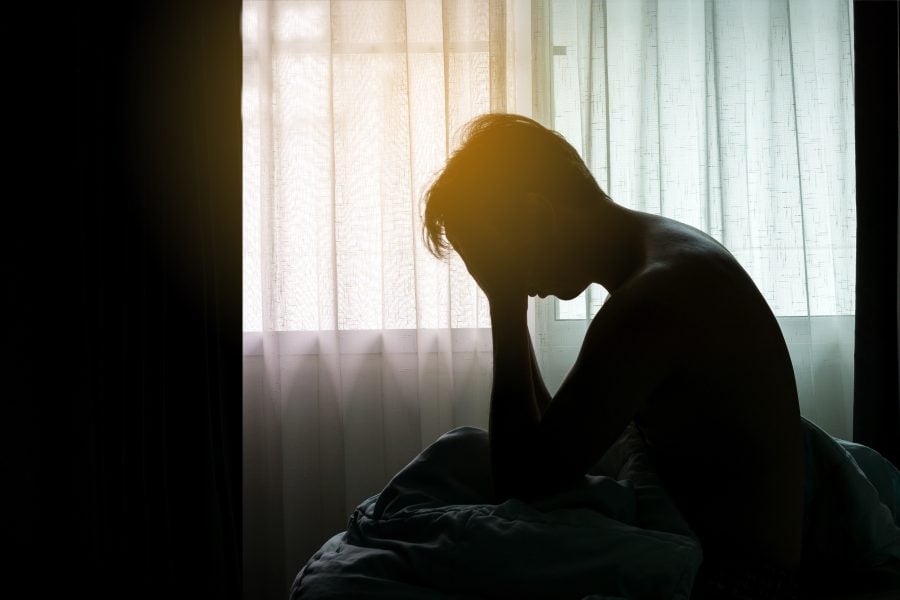
“Sometimes I feel like I can conquer the world, but usually I feel nothing, I just lay there and let things happen to me, well actually like there’s no “me”, no ideas, no ego, just the emptiness,” says Mehdi, a 23 years old Moroccan student, as he started explaining his journey with bipolar disorder.
Bipolar disorder is a brain disorder that causes changes in a person’s mood, energy, and ability to function. People with bipolar disorder experience intense emotional and mood states that typically occur during distinct periods of days to weeks.
Mehdi struggled with major mood swings since his early adolescence years; anxiety attacks and immense lack of concentration were always part of his daily routine.
Unaware of his mental disorder, Mehdi kept grappling with the increasing symptoms, until he visited a psychiatrist in 2019 when he was first diagnosed with bipolar disorder.
“I was 21 when I first visited a psychiatrist when he told me I have bipolar disorder, I refused to believe it, it took me one year to surpass the denial phase and accept the fact that I am going to spend the rest of my life on meds.”
Mehdi’s family was the first to back him up emotionally and financially in order to seek experts’ help. However, 75% of
of children and young people worldwide who experience a mental health problem aren’t getting the help, they need due to denial, unawareness, or lack of financial resources.
Morocco only has 0.67 beds allocated for mental health per 1,000 inhabitants, only 290 psychiatrists, 5 pedopsychiatrists, and 1,069 nurses trained in psychiatry, according to data issued by the health minister in 2018.
Moreover, Social stereotypes, which tend to shame mental health care seekers as “crazy”, and high prices of mental health care in Morocco discourage people from asking for experts’ help.
“I have never told my parents about my mental health struggles, they will be surprised if they knew, they won’t understand,” says Idder, an 18 years old Moroccan student.
Idder had a normal early childhood, living in the warmth of a loving family within the companionship of kind siblings until her innocent life was shook by sexual assault.
“My mind cannot count how much time I was sexually abused and assaulted when I was a child by people who were supposed to protect me.”
Bullying and toxic friendships worsen Iddir’s mental health situation, as the 18 years old university student struggles, now, with eating disorders, anxiety attacks, and panic attacks in crowded places.
“The only thing that makes me feel alive is self-harm because it made me feel pain, I guess I grew up thinking that I deserve pain,” she continued, “ but now I am clean, I stopped hurting myself for 5 or 6 months now.”
Iddir is not her government name, “ call me Iddir, it means alive in Tamazight;” she added, ‘ I have never thought that I will make it past 16, but here I am 18 and still alive, repeating the expression that my younger religious self used to say, it’s all part of God’s plan.”







These numbers are probably not accurate, especially in Morocco. I firmly believe that we have all sorts of mental illnesses in the book. Yet, the lack of awareness in our society keeps such issues unseen.
This is a great Initiative, I am happy and proud to see this project get the interest and attention of Hesspress. Hopefully, Rabie and Manal will not give up on their project for any reason whatsoever, instead, work on growing and spreading to every corner of our beloved Morocco.
This is a brave move, and a good cause to fight for.
Good luck to both of you.