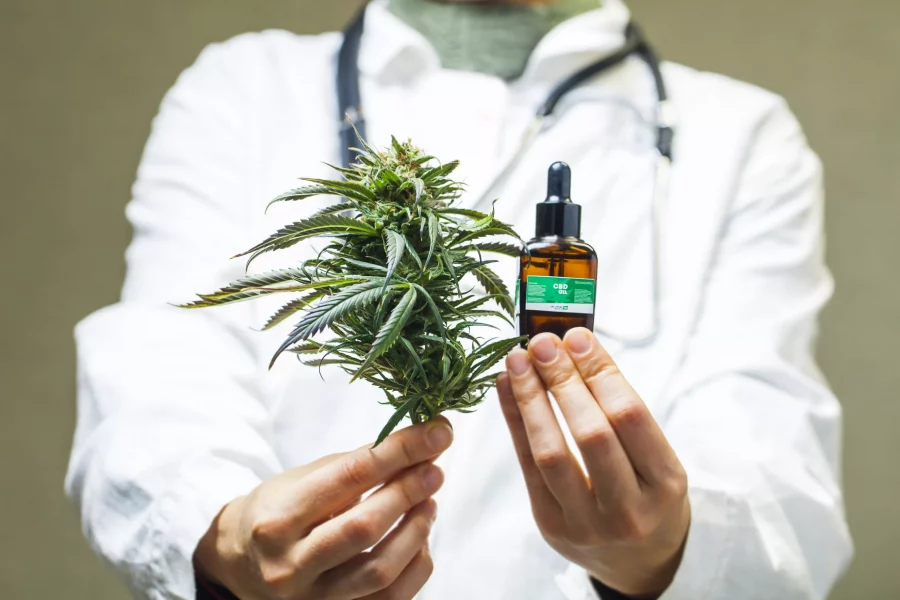
The green annual flowering herb, with its serrate leaflets, was always the known secret in the kingdom, as it is censored by legal and religious controversies, but tolerated for economical reasons.
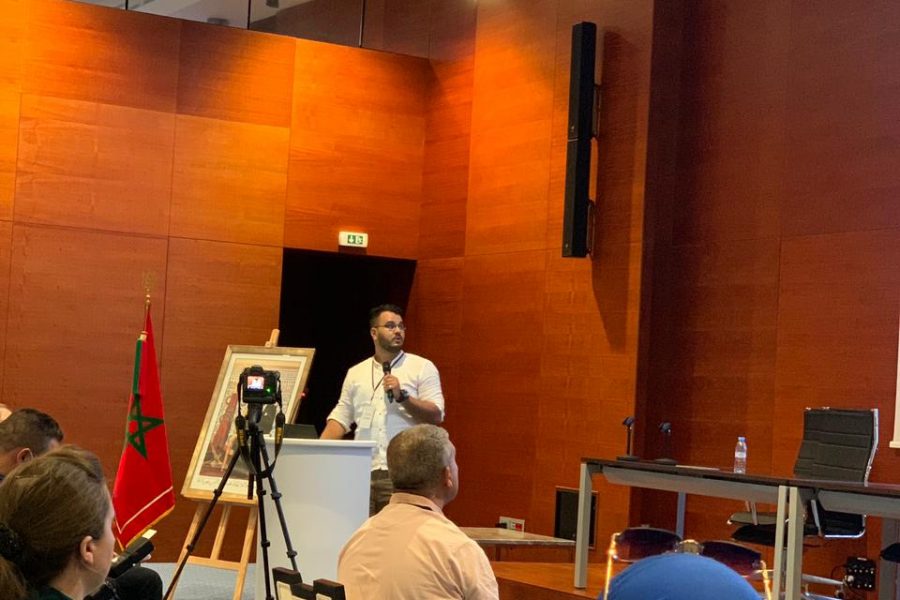
Driss Anouar Boutazamat, a doctor researcher, who devoted his research career to studying the features of cannabis plants in Morocco, was trapped in a bureaucratic rabbit hole, juggling between the ministry of interior and the ministry of higher education, trying to get the necessary authorizations in order to expand his research studies.
“When we started our research towards, MOROCCAN CANNABIS SATIVA L in 2015, we faced many administrative odds to conduct the necessary scientific experiments, especially when it comes to get authorizations from the interior’s ministry.”
Cannabis in Morocco had been illegal since the nation’s independence in 1956 but was banned in 1974.
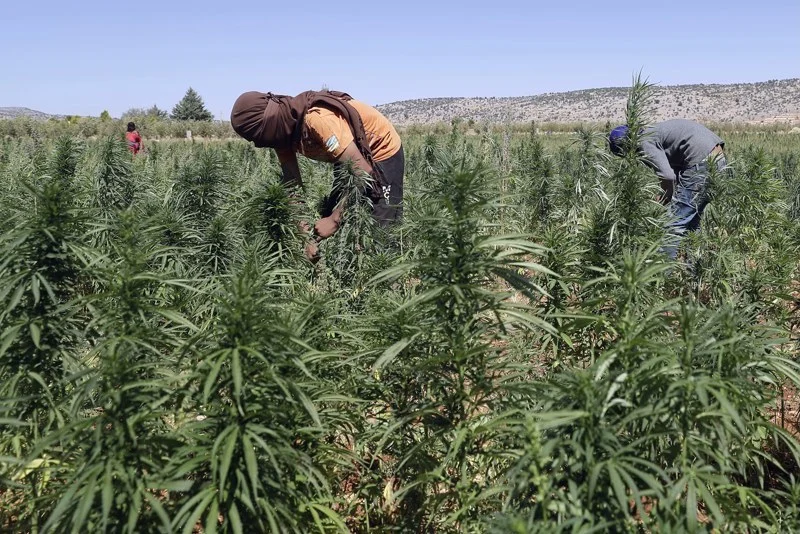
Pictures of devastated, broken and raged farmers, who lose their cannabis crops’ due to police groups burning their cultivated cannabis, plowing the plants, or even arresting the farmer, circulated the internet every year documenting cannabis’ farmers’ suffering in the kingdom.
Moroccan parliament voted this year, 2021, on legalizing the use of cannabis for medical, cosmetic and industrial purposes.
The vote enveloped the country in a moral dilemma, discussing the religious, legal, social and economic consequences of cannabis legalization.
Conservatives took to social media to protest the decision that “contradicts Islam’s teachings.”
Former head of government Abelillah Benkiran joined the virtual protest as he announced, in a handwritten note on Facebook, freezing his membership in the Justice and Development Party, which led the ruling coalition in Morocco back then, as well as severing his relationship with five party leaders who helped in crafting the new law. He took back his statements after.
Boutazamat hopes that the legalization of cannabis will smooth out the procedures and open the door in front of more researchers, “it will help speeding up the process of identifying the Moroccan cannabis features and its health benefits,” added the researcher.
The young researcher stresses that more scientific research will precise the health benefits of the different parts of the Moroccan cannabis plants.
Boutazamat’s research focuses on the phytochemical characterization of seed extracts of these plants, for an overview of the nature of the constituents that may be encountered in the seeds of these plants and to better understand their benefits.
“The plant can be beneficial for alimentation and cosmetic purposes, as the oil of cannabis is so beneficial for health. It’s one of the best oils in the world,” says the researcher.
Recently, international institutions started focusing more scientific research on Cannabis’ potential to control nausea and vomiting caused by cancer chemotherapy, kill cancer cells and slow tumor growth, says the researcher.






add your comment
Terms of publication : Not to offend the writer, people, sacred things, or attack religions or the divine self, and refrain from racist incitement and insults.