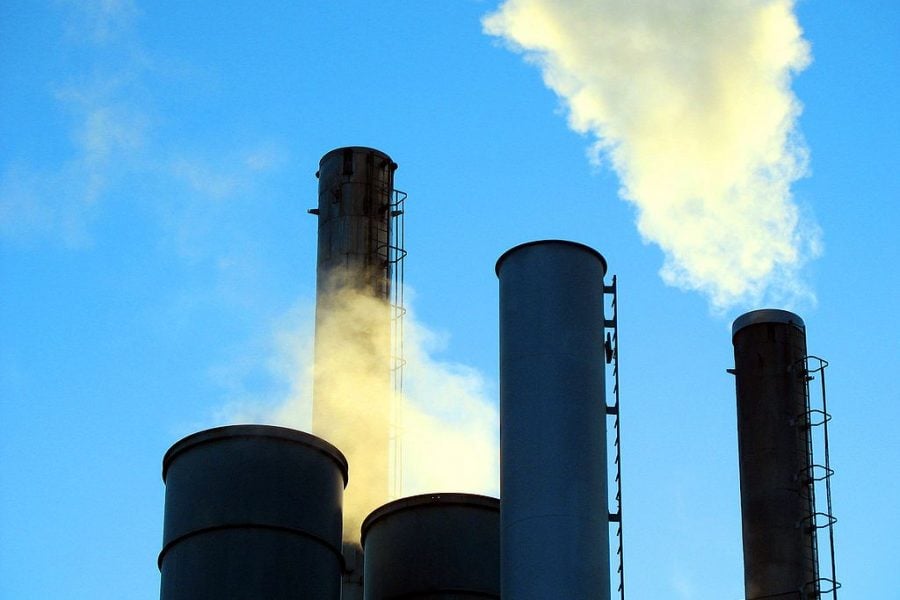
As the world attempts to stray away from polluting energy sources amid the rise of climate change, Morocco has made strides in its ambitious transition to renewable energy.
Despite the challenges that the Kingdom faces, Morocco has made significant progress in recent years, with the goal of establishing a resilient and competitive energy model in line with the new global standards.
Morocco continues to face, however, a number of challenges mainly reflected in the rise in demand for energy, and the dominance of fossil fuels.
According to data from the Ministry of Economy and Finance, the demand for energy rose by about 1.5 percent between 2007 and 2019, while the share of fossil fuels is estimated at 74 percent in 2017.
The high cost of fossil fuels has a negative impact on the competitiveness of Moroccan companies, as it is highly affected by the weak storage capacity of crude and refined fuels, the same source adds.
Ministry experts also revealed that the mass of actors in the energy sector results in overlapping roles and responsibilities, which has a negative effect on consumer prices and financial stability of main actors, leading to conflicts of interests and dispersal of the energy market.
Morocco’s new development model aims to address this issue by making the energy sector a lever for development and competitiveness, in accordance with price standards and low-carbon production methods.
Accordingly, the new development model identifies three main requirements: to compensate for the loss of competitiveness and to adopt full transparency in costs, to keep pace with the liberalization of the sector in a controlled manner, and to adopt a voluntary, stable and flexible policy in line with Morocco’s international energy commitments.
Morocco’s transition to renewable energies dates all the way back to King Hassan II’s reign.
In the 1970s, the late King announced a plan to build a series of dams across the country, in order to enhance hydraulic security.
King Mohammed VI followed in his father’s footsteps in 1999, by giving impetus to other types of renewable energy, especially solar and wind.
Morocco also issued the National Energy Strategy (NES) in 2009, which has achieved great progress mainly reflected in the drop of dependence on foreign energy sources from 97.5% in 2008 to 90.58 percent in 2019.







add your comment
Terms of publication : Not to offend the writer, people, sacred things, or attack religions or the divine self, and refrain from racist incitement and insults.