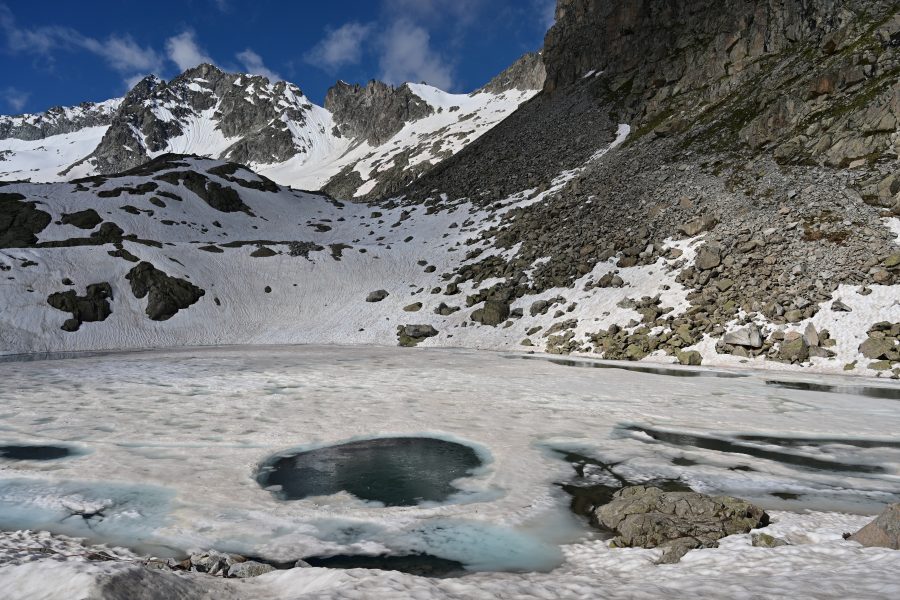
Africa’s fabled eastern glaciers will vanish in two decades, the UN climate agency warned on Tuesday.
The latest report on the state of Africa’s climate by the World Meteorological Organization (WMO), partnered with African Union agencies, added that 118 million poor people face immanent drought, floods or extreme heat, and climate change could also shave 3% off continental GDP by mid-century.
2020 was Africa’s third warmest year on record, 0.86 degrees Celsius above the average temperature in the three decades leading to 2010, according to the data accumulated by the report.
It has mostly warmed slower than high-latitude temperate zones, but the impact is still destructive.
“The rapid shrinking of the last remaining glaciers in eastern Africa, which are expected to melt entirely in the near future, signals the threat of […] irreversible change to the Earth system,” WMO Secretary-General Petteri Taalas said in a foreword to the report.
According to the current rates all three of Africa’s tropical ice fields – Tanzania’s Kilimanjaro, Kenya’s Mount Kenya, and Uganda’s Rwenzoris – would be gone by the 2040s.
In addition, “By 2030, it is estimated that up to 118 million extremely poor people (living on less than $1.90 per day) will be exposed to drought, floods and extreme heat … if adequate response measures are not put in place,” the African Union’s Agriculture Commissioner Josefa Sacko said, reported Reuters.
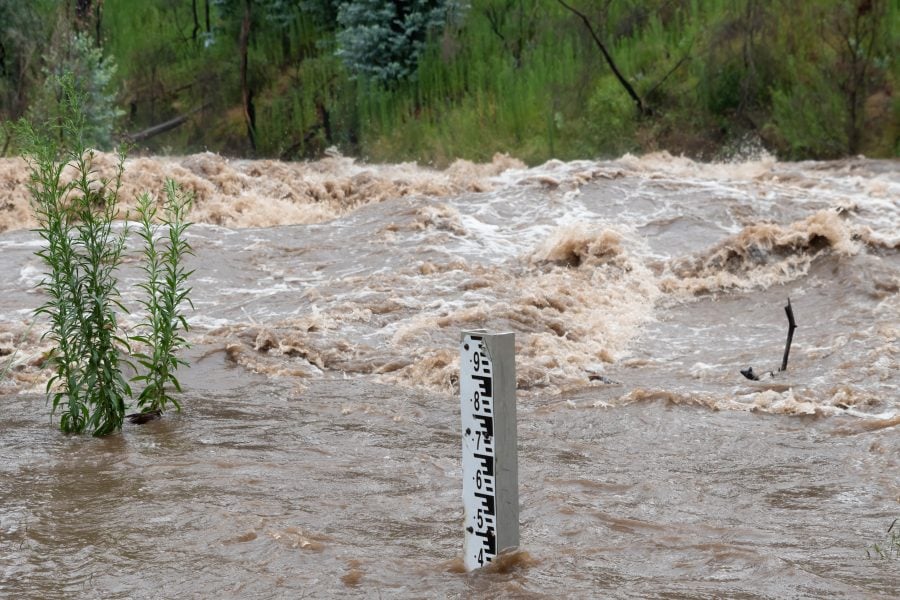
Apart from worsening drought on a continent heavily reliant on agriculture, there was extensive flooding recorded in East and West Africa in 2020, the report noted.
The African continent, which has long been expected to be severely impacted by climate change, its croplands are already drought-prone and widespread poverty makes it harder for people to adapt.
An estimated 1.2 million people were displaced by storms and floods in 2020, nearly two and half times as many people as fled their homes because of conflict in the same year.
The report estimated that sub-Saharan Africa would need to spend $30-$50 billion, or 2-3% of GDP, each year on adaptation to avoid even worse consequences.




add your comment
Terms of publication : Not to offend the writer, people, sacred things, or attack religions or the divine self, and refrain from racist incitement and insults.