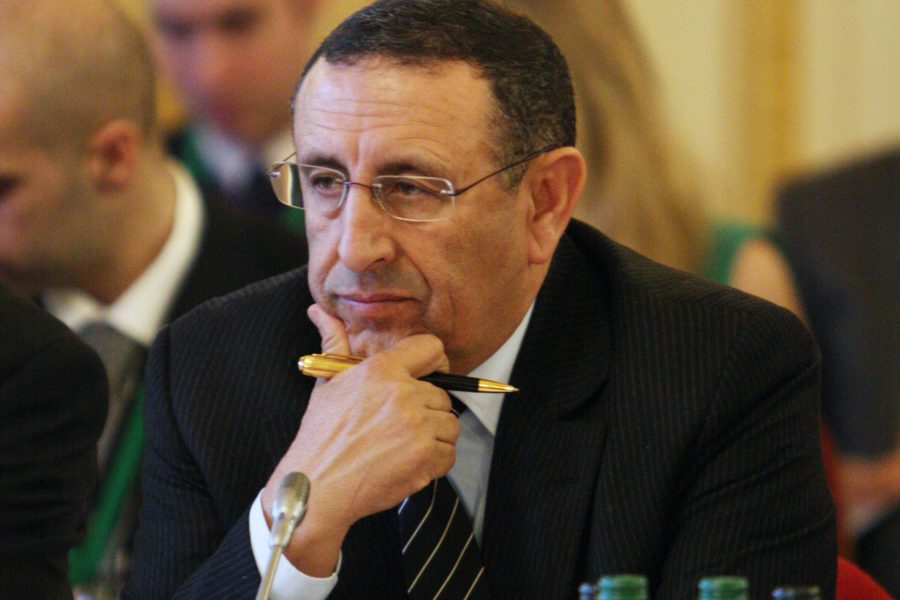
King Mohammed VI appointed, On Sunday, Youssef Amrani as the kingdom’s ambassador to the European Union, marking a step forward in Amrani’s diplomatic career, as he occupied before the position of the Kingdom’s ambassador in Republic of South Africa, Republic of Botswana, Republic of Malawi and Kingdom of Eswatini, as well as the minister of Foreign Affairs and Cooperation in Othmani’s cabinet.
Emboldened by his rich experience in diplomacy, the sixty- eight years old Istiqlal member, will be in charge of healing the wounds of the last disputes between Rabat and some of the European Union’s members, and easing the tensions between the Kingdom and the EU, after the European Court of Justice cancelled, on September, an Agreement on Agriculture and Fisheries with Morocco, based on an appeal submitted by the Polisario Front in 2019.
The appeal suggested that Morocco exploits the territory’s natural resources, “without the consent of the people of Western Sahara” and encourages the policy of annexation of Sahara by Morocco.
The Moroccan-Spanish relations will be, also, on the top of the issues, which Amrani is expected to treat in his new position.
The ongoing tensions between the North African kingdom and the western European kingdom reached a new level last year when Madrid agreed to provide medical treatment for the Polisario leader Brahim Ghali, amid Rabat’s condemnations.
Rabat reacted by recalling its ambassador in Madrid, with Spain accusing Morocco of tolerating illegal immigration and using immigrants as a diplomatic weapon, as 10,000 people, mostly Moroccans, tried to enter Ceuta in May by scaling a border fence or swimming around it.
Moroccan-German ties are, also, experiencing a crisis since the Moroccan Foreign Ministry recalled, in May, their ambassador, Zohour Alaoui, in Berlin and published a list of accusations against the German government. Morocco accused Germany of a destructive attitude on the issue of the Sahara.
The German government despite welcoming the normalization of Israel’s and Morocco’s ties criticized the move and said that its “position on the conflict concerning the Western Sahara remains unchanged.”
Rabat criticized Berlin, also, for not inviting Morocco to a conference on Libya in Germany, despite being one of the negotiators between the opposing parties.
The third tweet in the Moroccan ministry’s series of accusations blamed the German authorities of “acting with complicity towards an individual formerly convicted of acts of terror, by disclosing sensitive information communicated by the Moroccan security services to their German counterparts,” referring to the case of the Moroccan social media activist Mohammed Hajib, who criticizes Moroccan regime on Youtube.


add your comment
Terms of publication : Not to offend the writer, people, sacred things, or attack religions or the divine self, and refrain from racist incitement and insults.