
A Spanish newspaper investigation has highlighted the difficult conditions facing Moroccan girls who arrived in Ceuta by sea during the recent migration surge, with overcrowded shelters leaving some minors on the streets and raising concerns about their exposure to exploitation and sexual violence.
Spanish newspaper El País reported Sunday that police are investigating five alleged rape cases involving Moroccan girls following the mass crossings into the Spanish enclave on July 30 and 31.
The investigation included testimonies from Moroccan minors who arrived in Ceuta during the crossings, as well as residents who opened their homes to some of the girls amid a lack of adequate shelter.
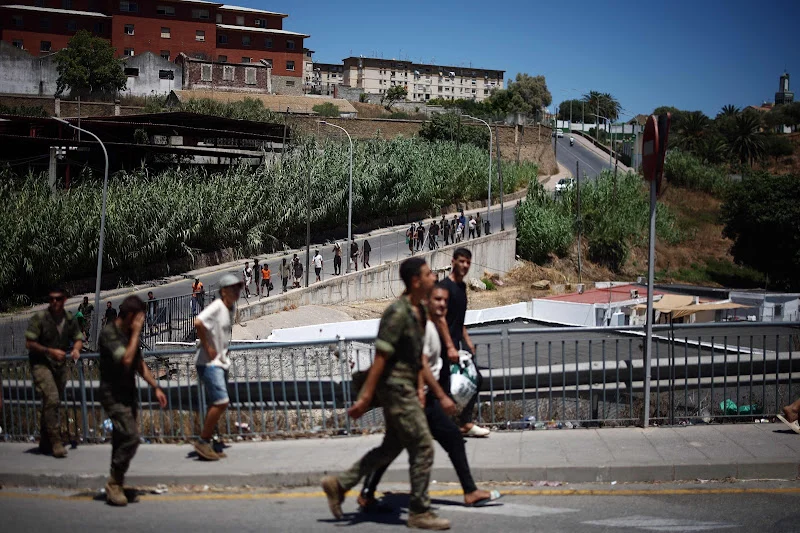
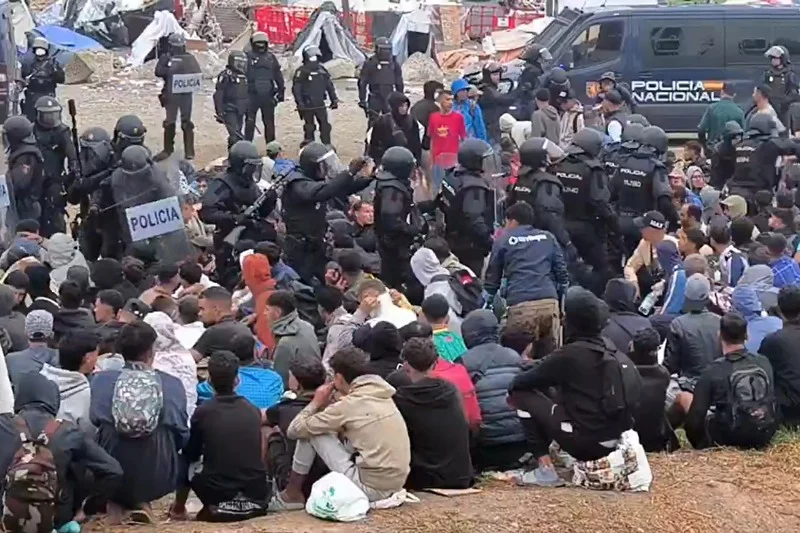
According to El País, thousands of minors entered Ceuta through the Tarajal border area during the surge. Some girls were left in particularly vulnerable situations after arriving without safe accommodation or adequate protection.
Several women in Ceuta reportedly took in Moroccan girls temporarily after finding them on the streets, with some arriving without shoes or appropriate clothing.
The newspaper described some of the local women who sheltered the girls as becoming “new mothers” to minors who had arrived after dangerous journeys, including crossings by sea.
Five alleged rape cases
The situation has taken on an added dimension following reports of sexual violence.
El País reported that the Spanish government delegation in Ceuta confirmed Friday that five alleged rape cases involving Moroccan minors had been reported. The National Police’s Family and Women Unit is investigating the cases.
The investigation also documented accounts of other alleged sexual assaults in different parts of the city, based on testimonies from girls and local residents.
Concerns have grown over the safety of minors spending nights on the streets or in isolated areas, where they may be particularly vulnerable to abuse and exploitation.
One case involved a 12-year-old Moroccan girl who was allegedly targeted in a sexual assault attempt. A local woman told the newspaper she intervened after hearing the girl screaming at night.
In another reported incident, two teenage girls said they had been targeted in an attempted sexual assault by a group of men.
Ceuta residents open their homes
As the situation deteriorated, residents launched informal efforts to provide Moroccan girls with temporary shelter.
El País reported that several women took girls into their homes after finding them on the streets, sometimes hours or days after their arrival.
One woman said she had sheltered more than one Moroccan minor despite limited financial resources and a lack of space in her home.
Another said she sought to find a safe place for a girl because she was concerned about leaving her in an overcrowded facility housing large numbers of boys.
Similar initiatives reportedly emerged in several parts of Ceuta, with local families temporarily taking in girls while authorities sought institutional solutions for their accommodation and protection.
But residents said their ability to provide long-term shelter, food and other necessities was limited, particularly for families already caring for children and dealing with their own financial obligations.
Residents create temporary shelter
In another effort to keep girls off the streets, residents in one Ceuta neighborhood converted an indoor soccer facility into a temporary shelter.
According to El País, residents installed tents, blankets and mattresses inside the facility and organized security at the entrance around the clock.
About 50 girls stayed there on the first day, according to the newspaper. The number rose to more than 100 by nightfall, while roughly 200 names had been registered two days later.
The rapid increase in the number of girls seeking shelter raised concerns that the community initiative itself could become overcrowded and unable to accommodate additional minors.
The facility reportedly became known among girls in the city because it was intended specifically for minors and offered a safer environment than the streets.
The accounts collected by El País highlight the extreme vulnerability faced by some Moroccan girls following the latest migration surge. For some, the risks did not end after crossing the sea or reaching Ceuta. They were followed by the challenge of finding safe accommodation and protection from violence and exploitation.
The reports put additional pressure on Spanish authorities to provide immediate protection for minors in Ceuta and investigate the alleged sexual assaults.
While residents’ initiatives have provided emergency support, their limited capacity underscores the need for an institutional system capable of safely accommodating the girls and protecting them from abuse and exploitation.







add your comment
Terms of publication : Not to offend the writer, people, sacred things, or attack religions or the divine self, and refrain from racist incitement and insults.