
Morocco’s Atlas Lions have enjoyed a remarkable run in recent years, reaching the quarterfinals of the 2026 FIFA World Cup and lifting the 2026 Africa Cup of Nations trophy. Their success once again united the country, with supporters flooding the streets after every victory and reaffirming Morocco’s place among Africa’s football elite.
As the Women’s Africa Cup of Nations kicks off in Rabat on Sunday, however, another question emerges: Has Morocco’s football boom reached the women’s game?
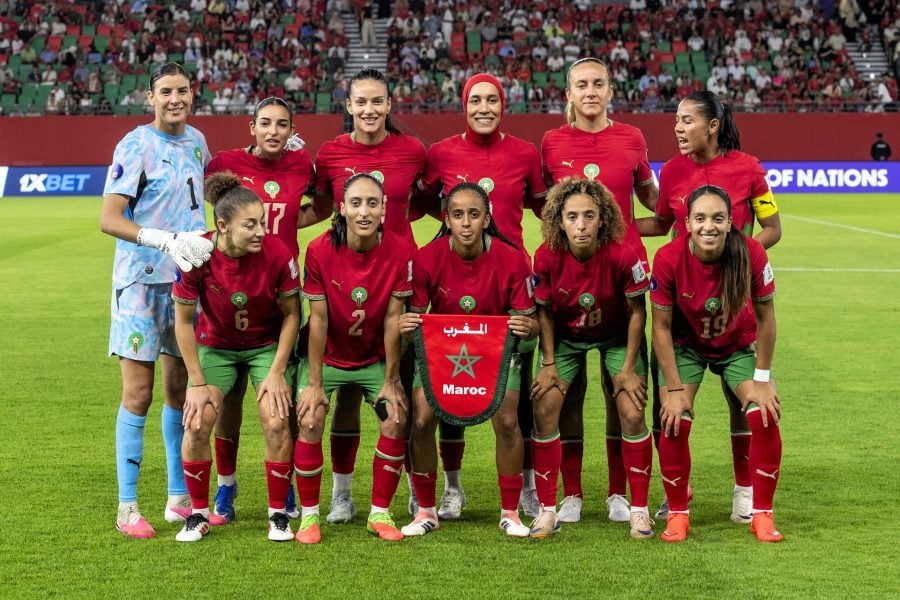
Hosted by Morocco for the third consecutive edition, the tournament opens with Algeria taking on Senegal before the Atlas Lionesses begin their campaign against Kenya at Rabat’s Olympic Stadium. After suffering a 3-2 defeat to Nigeria in the final of the previous WAFCON, the hosts are determined to claim their first continental title on home soil.
For many young Moroccans, the men’s recent achievements have transformed the way they view the country’s national teams.
“I wasn’t particularly excited before 2022 because Morocco’s performances in major tournaments were often disappointing,” said Razane, a 19-year-old football fan. “But with the recent reforms and the men’s success, I became much more hopeful that our national teams could compete for titles.”
Although she does not closely follow every women’s international fixture, Razane said WAFCON is an exception.
“I’ll definitely watch WAFCON because Morocco’s group is really interesting,” she said, adding that she already follows players such as captain Ghizlane Chebbak and goalkeeper Khadija Er-Rmichi.
“The men’s success has definitely raised my expectations for the women. I believe they can achieve great results too.”
Others see the tournament as an opportunity to discover a team they have rarely followed before.
“Watching Morocco in AFCON and then the World Cup filled me with pride and hope,” said Rim, another football enthusiast.
“I’ve never watched WAFCON before because I usually follow men’s football, but I’m planning to watch it this time. I think it’s going to be exciting, and I’d love to support the team.”
Unlike Razane, Rim said her growing interest is driven less by the Atlas Lions’ achievements than by a desire to support Morocco regardless of who is on the field.
“I just want to see what the women’s team can achieve,” she said. “They represent Morocco, and I’m excited to follow their journey.”
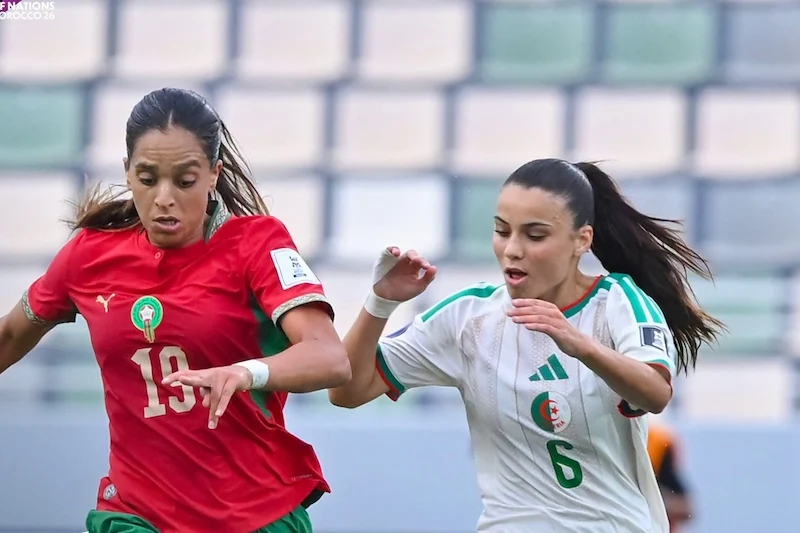
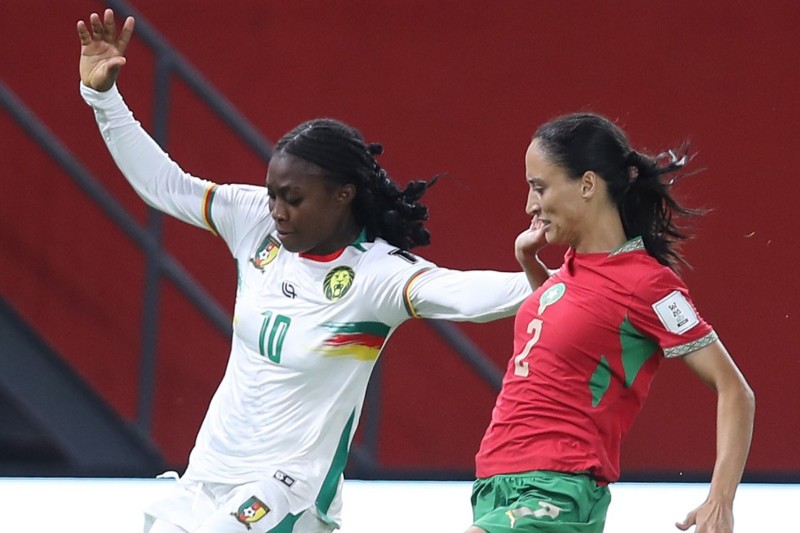
Those differing perspectives reflect the current state of women’s football in Morocco. While the Atlas Lionesses reached the final of the 2024 Women’s Africa Cup of Nations and qualified for the 2023 FIFA Women’s World Cup, many supporters are only beginning to engage with the team.
That gradual growth is also reflected in the Confederation of African Football’s financial projections. According to CAF’s 2025-26 budget, the expanded 16-team tournament is expected to generate about $4.79 million in revenue while costing more than $8.4 million to organize, resulting in a projected deficit of roughly $3.6 million. The governing body estimates that the competition will generate 61% less revenue than the previous edition.
Despite those figures, CAF is pressing ahead with increased investment in the women’s game. Prize money has risen from $2.4 million to $3.475 million, while additional funding has been allocated to women-only coaching license programs and broader development initiatives.
CAF has acknowledged that women’s competitions are unlikely to become commercially profitable in the short term, viewing them instead as long-term investments in the future of African football.
For Morocco, that future may depend as much on the supporters in the stands as the players on the pitch.
The Atlas Lions have already transformed how Moroccans see their place in world football. As WAFCON gets underway, the challenge for the Atlas Lionesses will be to turn the excitement generated by the men’s success into lasting support for the women’s game — and inspire a new generation of girls to believe they belong on football’s biggest stages.



Interesting take and long-awaited analysis. More attention should be given to women’s sports, I’m sure we have a lot of talent waiting to get discovered.
It also seems like women’s sports always suffer from being compared to men’s sports, instead of considered as their own thing.
The men’s success has clearly opened people’s eyes. Hoping this tournament is the one where the Lionesses finally get their own moment, not just a reflection of the men’s. Well written 👏🇲🇦