
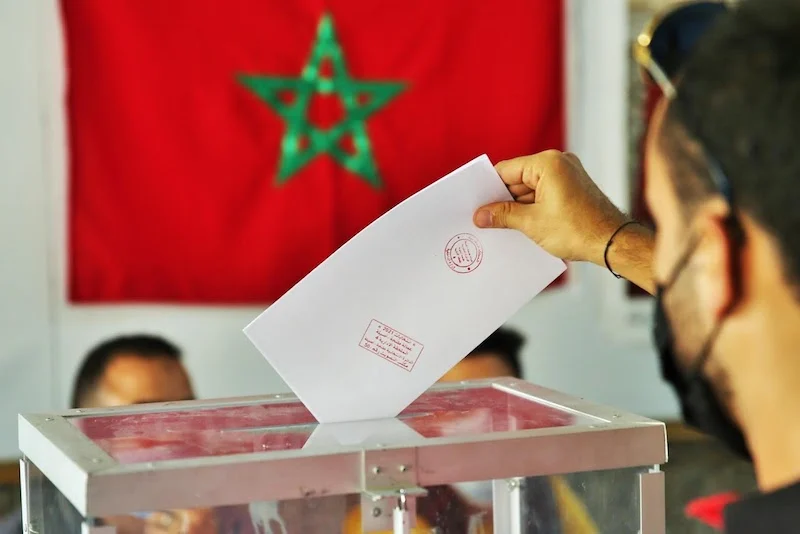
Only 27.9% of Moroccans say they are certain they will participate in the 2026 parliamentary elections, according to a new report by the Citizens Association, highlighting persistent concerns about political trust and representation.
The report, titled How Do Moroccans View the 2026 Elections?, found that skepticism toward political parties and doubts about the effectiveness of voting remain the primary factors discouraging electoral participation.
Among respondents who abstained from voting in the 2021 elections, 51.9% cited a lack of trust in political parties as the main reason for staying away from the polls. Another 22.1% said they believed voting would not bring meaningful change, while 11.3% reported that they were unable to identify candidates who reflected their expectations or concerns.
Combined, these three factors account for 85.3% of the reasons given by non-voters, suggesting that political disillusionment, rather than administrative or logistical obstacles, is driving electoral disengagement.
The same trend was observed among individuals who are not currently registered to vote. More than half of respondents in this category, 53.4%, said they had not registered because they do not trust political actors or institutions. A further 20.3% questioned the usefulness of registering or voting altogether.
Smaller proportions cited practical barriers such as lack of time, insufficient knowledge of electoral procedures, limited encouragement from family or social networks, and administrative difficulties.
The study, which surveyed more than 3,000 citizens across Morocco, indicates that while firm electoral participation remains limited, attitudes toward the upcoming elections are not entirely negative.
In addition to the 27.9% who said they would definitely vote, 14.4% reported that they would probably participate, bringing the share of respondents leaning toward voting to 42.3%.
By contrast, 21.1% said they definitely would not vote, while 17.5% indicated they would probably abstain. Meanwhile, 19.1% of respondents remain undecided about whether they will take part in the elections.
According to the report, efforts to increase voter turnout are unlikely to succeed through technical reforms or awareness campaigns alone. Researchers argue that rebuilding public confidence in political parties, strengthening representation, and demonstrating the tangible impact of electoral participation will be essential to reversing long-term trends of political disengagement.
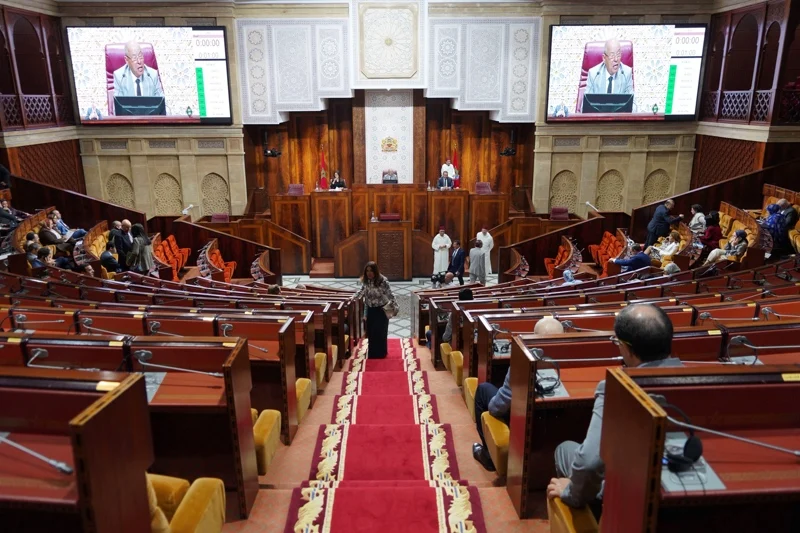
The findings come as Morocco prepares for its 2026 parliamentary elections amid ongoing debates over political trust, citizen engagement, and the effectiveness of democratic institutions.

add your comment
Terms of publication : Not to offend the writer, people, sacred things, or attack religions or the divine self, and refrain from racist incitement and insults.