
The study, conducted by the Citizens Association through its “Citizenship Cafés” initiative, surveyed 2,992 participants across Morocco’s 12 regions and offers a snapshot of public attitudes toward elections, political parties and democratic participation.
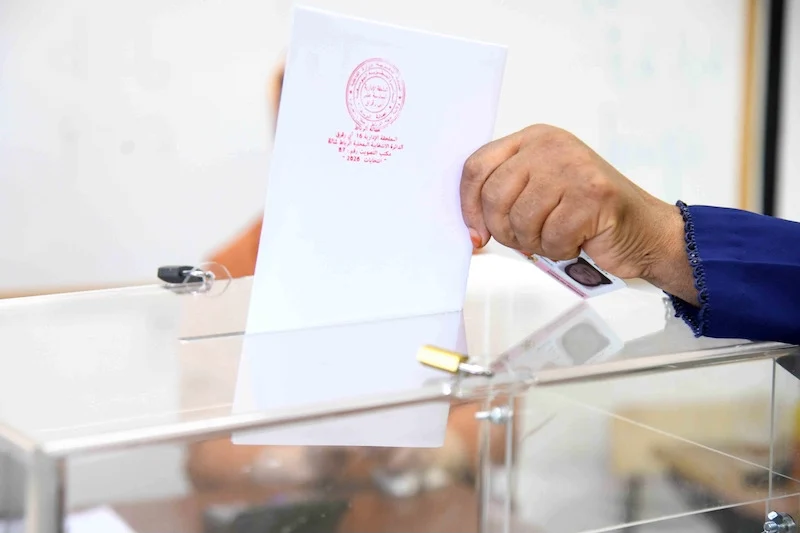
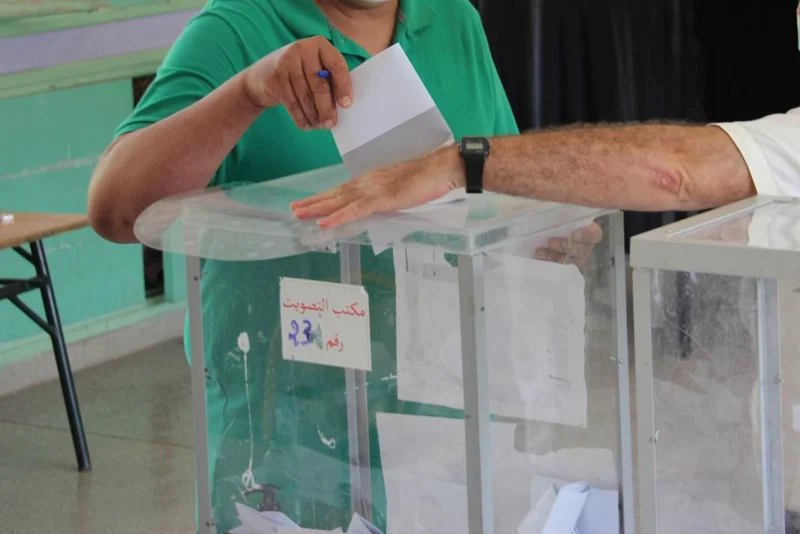
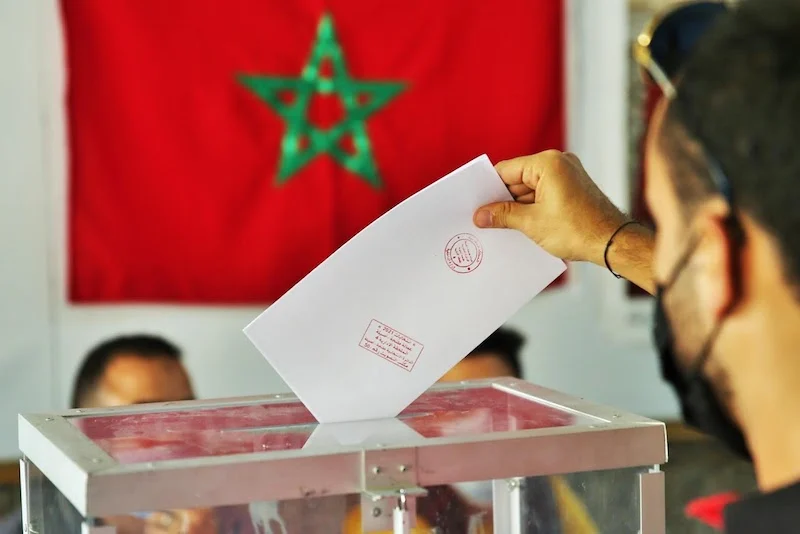
The findings show that 41.3% of respondents who were eligible to vote in the 2021 legislative elections voluntarily chose to boycott the polls. Yet despite this abstention, nearly two-thirds of participants said voting remains an important or very important civic duty.
According to the report, the issue is not a rejection of democracy itself but rather a growing perception that elections and political institutions are unable to bring about meaningful change. Only 13.6% of respondents said they considered the results of the 2021 elections credible.
The survey also revealed a notable trend among younger Moroccans. Respondents under the age of 30 expressed the strongest willingness to participate in the 2026 elections, despite also being among the most critical of political parties and public institutions. Nearly half of participants aged 18 to 24 indicated a positive intention to vote.
Women demonstrated greater electoral engagement than men, with 49% saying they intend to participate in the upcoming elections, compared with 40.7% of male respondents.
However, the study found that women continue to face greater practical and administrative obstacles to participation. More than one-quarter of female respondents said they had intended to vote in 2021 but were ultimately unable to do so.
The survey paints a broader picture of declining public confidence in Morocco’s political system. More than half of respondents assigned the lowest possible ratings to the credibility of election results, while 66.1% reported little or no trust in public institutions.
Political parties emerged as the institutions facing the deepest credibility challenges. Nearly 80% of participants said they have no contact whatsoever with political parties, and only a small minority reported any direct communication or engagement.
The disconnect appears to extend beyond communication. More than 88% of respondents believe political parties do not adequately address citizens’ concerns, while 90.4% said elected officials fail to fulfill their campaign promises once in office.
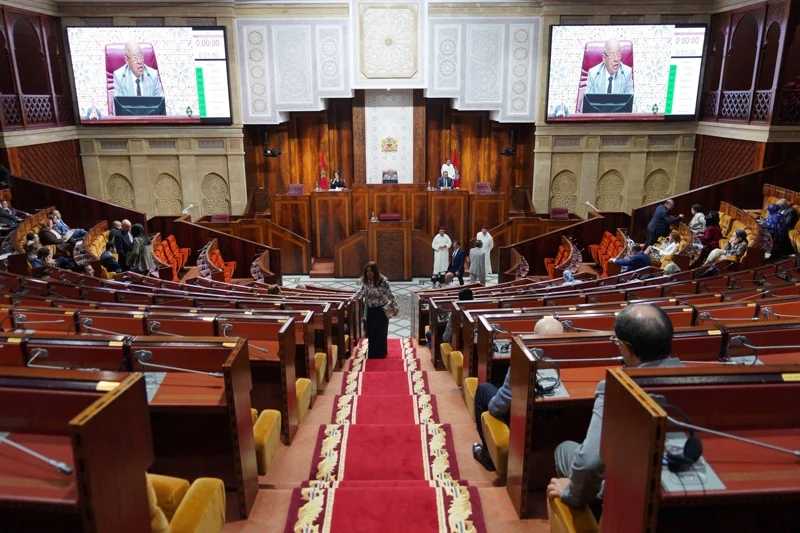
The findings suggest that while democratic participation retains symbolic importance for many Moroccans, rebuilding trust in political institutions may be crucial to increasing voter turnout and strengthening public confidence in the electoral process ahead of the 2026 vote.



add your comment
Terms of publication : Not to offend the writer, people, sacred things, or attack religions or the divine self, and refrain from racist incitement and insults.