
Morocco told a United Nations decolonization committee that the Sahara file no longer belongs on its agenda, arguing that the Security Council has taken the lead after Resolution 2797 recast the UN track around a political settlement based on Morocco’s autonomy plan.
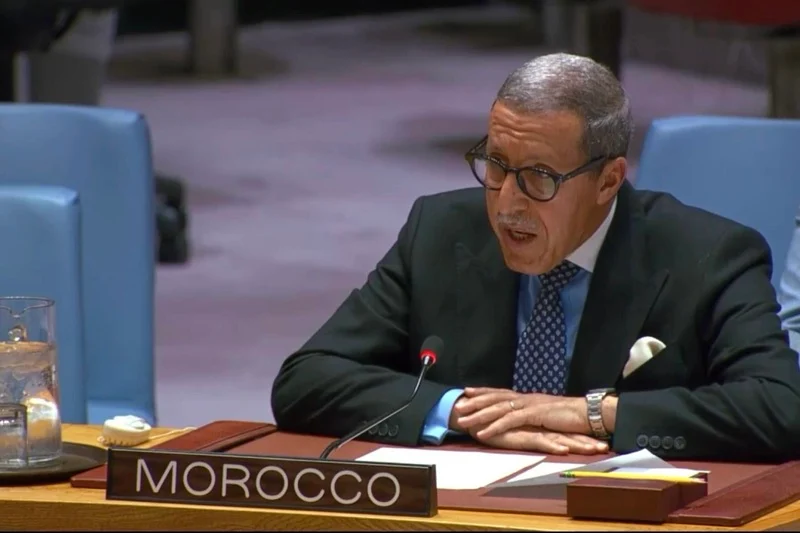
Omar Hilale, Morocco’s ambassador to the UN, made the argument during the regional seminar of the UN Special Committee on Decolonization, known as the C24, held from May 25 to 27 in Managua, Nicaragua.
Hilale said keeping the Sahara issue before the C24 had become “anachronistic” and amounted to a violation of Article 12 of the UN Charter, which limits General Assembly recommendations on disputes while the Security Council is exercising its functions over them.
The Moroccan diplomat said the Security Council had “charted the path” under the facilitation of the UN secretary-general’s personal envoy, with U.S. assistance, and had placed the autonomy plan under Moroccan sovereignty as what he called the only serious and credible basis for a final settlement.
Hilale also pointed to what Morocco presents as a new phase after Resolution 2797, saying Rabat had submitted details of its autonomy proposal and helped create a more promising atmosphere in talks held in Washington and Madrid.
Morocco proposes autonomy for the Sahara under its sovereignty. The Polisario Front, backed by Algeria, seeks self-determination through a referendum. The dispute has remained under UN mediation since a 1991 ceasefire.
Hilale said the process now involves four parties: Morocco, Algeria, Mauritania and the Polisario. He argued that those parties face a choice between engaging with the Security Council’s current track or prolonging a dispute that has lasted more than half a century.
Moroccan analysts quoted by Hespress said the statement reflects a shift in Rabat’s advocacy from defending the legal and historical basis of its position toward pressing the practical consequences of Resolution 2797.
Mohamed Salem Abdel Fattah, a Sahara affairs researcher, said Morocco is presenting the autonomy initiative as a “practical and implementable” proposal at a time when other approaches have remained trapped in political deadlock.


Today, the Committee of 24 is no longer relevant, as the UN Security Council holds the upper hand in resolving international disputes. Security Council Resolution 2797 clearly stipulates a diplomatic solution to the conflict within the framework of autonomy under the effective sovereignty of the Kingdom of Morocco. We, the Moroccan people, understand the content of this UN resolution and interpret it to mean that our Saharan provinces enjoy internal governance like the rest of the Kingdom, benefiting from expanded democratic regionalization within the framework of the sovereignty of the Sharifian Kingdom.
The decolonization of the Moroccan Sahara was completed in 1975 when the Moroccan people reclaimed the Moroccan Sahara from the Spanish colonizer through a popular Green March, thereby restoring the Moroccan Sahara with its provinces: Laayoune, Dakhla, Smara, Boujdour, Mahbes, Guerguerat, Lagouira, Bir Lehlou, Tifariti, Mahirs, Ain Bentili, Zag, Aounit, Tichla, Aousserd, Oued Drikka,