
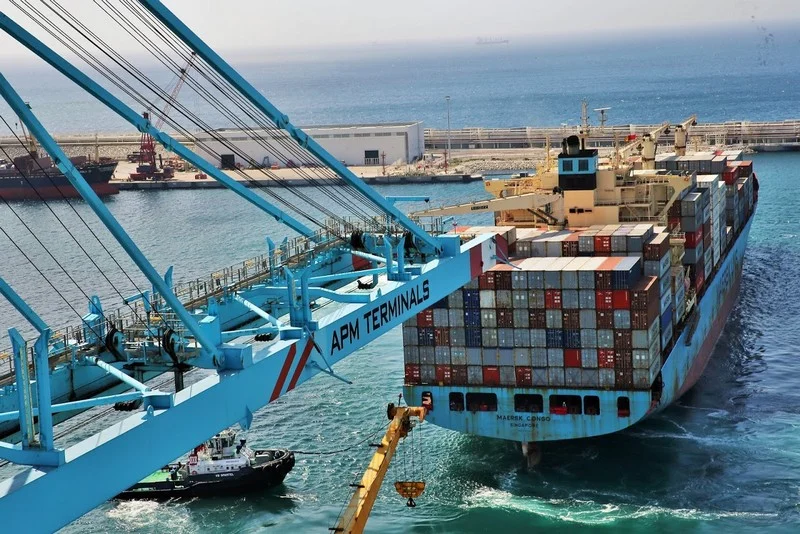
Casablanca Port has been experiencing sustained congestion since October 2025, with delays affecting shipping activity, imports, exports, and logistics operations across Morocco.
More than 60 vessels are currently waiting offshore with reports saying the number reached 80 vessels, compared with around 50 vessels at the end of March 2026. Nearly half of the ships at anchor are grain carriers.
Average waiting times have reached around 10 days, while some cargo categories, especially cereals, are facing delays of up to one month.
As of April 29, 2026, 69 vessels were anchored offshore, 26 were docked at berth, and another 61 vessels were expected during the first ten days of May. This brought the total number of vessel movements concentrated in the port area to 156 during that period.
Port dwell times increased during the first quarter of 2026. Ships that previously remained at the port for an average of five to six days are now spending close to 30 days in some cases. Around 20 grain vessels are reportedly waiting at any given time.
Industry estimates place the additional costs linked to these delays between $12 million and $18 million over one month. Some milling operators have temporarily halted production after running out of supply.
Shipping companies have introduced additional congestion-related surcharges. Maersk implemented a “Congestion Fee Destination” for contract shipments to Casablanca starting February 1, 2026. The surcharge was set at $150 per container, compared with previous congestion surcharges that generally ranged between $20 and $40.
Ships waiting offshore are also generating additional chartering costs estimated at approximately $10,000 per day per vessel. Over a two-week period, cumulative costs linked to vessel immobilization could reach around $7 million.
Part of the congestion has been linked to infrastructure works carried out by Marsa Maroc to deepen a quay at the port. The project reduced operational capacity during winter 2025/2026 by removing one berth from service during the works.
Logistics professionals and freight forwarders have described the congestion as structural since late 2025.
No major improvement in waiting times is currently expected before mid-July 2026. Casablanca Port processes an average of 100,000 TEUs per month, making delays at the port a significant factor for shipping schedules, inventory management, and supply chain operations in Morocco.








add your comment
Terms of publication : Not to offend the writer, people, sacred things, or attack religions or the divine self, and refrain from racist incitement and insults.