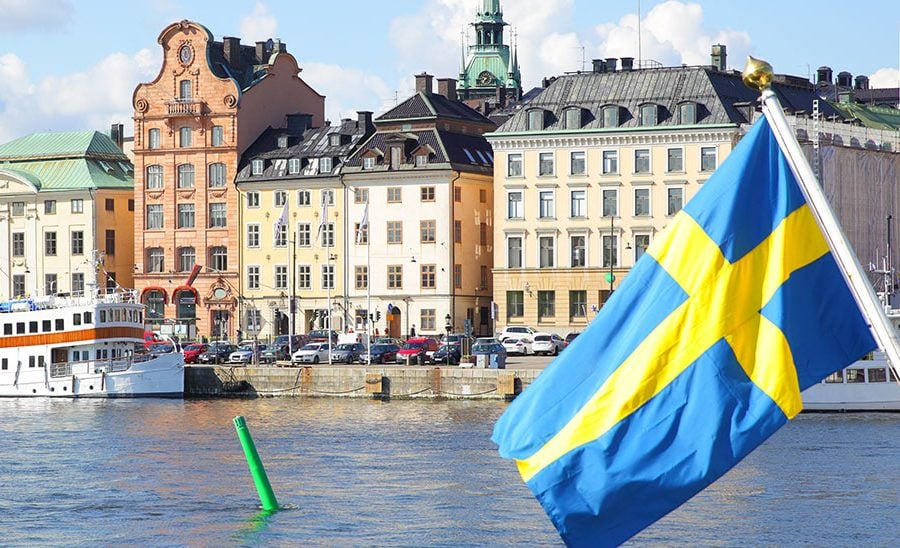
Sweden supports Morocco’s autonomy proposal for the Moroccan Sahara as a credible basis for negotiations, Foreign Minister Maria Malmer Stenergard said, citing recent momentum in a United Nations-led process aimed at resolving the decadeslong conflict.
In a parliamentary reply, Stenergard said a resolution adopted by the United Nations Security Council in October 2025 marked a shift by highlighting Morocco’s autonomy plan and advancing a broader U.N.-led process headed by envoy Staffan de Mistura.
“After 50 years of conflict and humanitarian crisis, a sustainable solution is more than welcome,” she said, adding that Sweden wants to contribute to a settlement compatible with the U.N. Charter and satisfying the rights of the Sahrawi people.
Stenergard said Sweden has held discussions with the Polisario Front and Algeria, urging all parties to engage constructively under the Security Council framework. She also said Sweden’s position aligns with a broad group of European partners, including Denmark and Finland.
Her response addressed a formal interpellation submitted in the Riksdag by Green Party lawmaker Jacob Risberg, who asked why the government had changed Sweden’s position, whether it had assessed the move under international law and whether Stockholm would act to secure self-determination and statehood for the Sahrawi people.
A separate set of questions from Left Party lawmaker Lotta Johnsson Fornarve pressed the government on its view of rulings by the International Court of Justice and whether it distances itself from what critics describe as Morocco’s occupation of the territory.
Stenergard said Sweden’s commitment to international law “remains firm” and that any political solution must be mutually accepted and consistent with the U.N. Charter. She framed Sweden’s policy as support for a negotiation framework rather than endorsement of a specific outcome, emphasizing backing for the U.N. envoy’s efforts.
Lawmakers critical of the shift argue that endorsing Morocco’s autonomy plan risks prejudging negotiations and weakening Sweden’s traditional emphasis on self-determination. The government has defended the move as pragmatic alignment with the current U.N. track and with positions adopted by several European states.




add your comment
Terms of publication : Not to offend the writer, people, sacred things, or attack religions or the divine self, and refrain from racist incitement and insults.