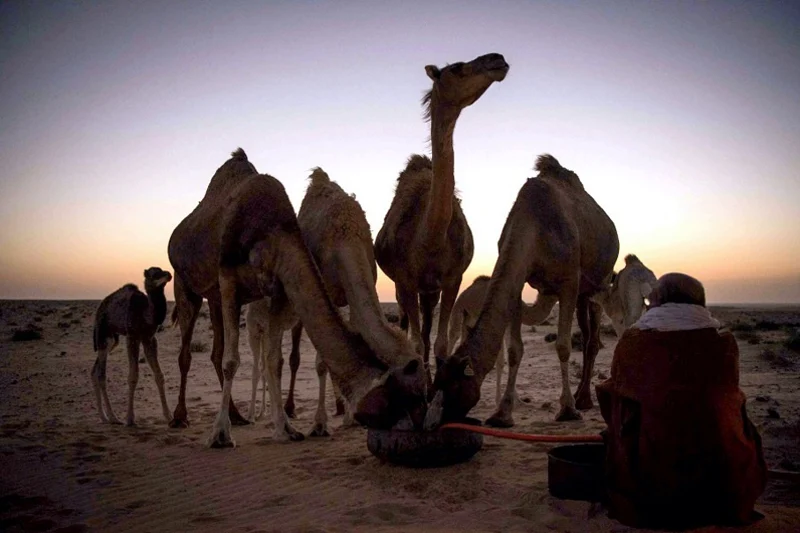
In Morocco’s southern provinces, Ramadan unfolds with distinct spiritual and social meanings, where desert landscapes intersect with long rooted Hassani traditions.
Like other Moroccan communities, Sahrawis welcome the holy month with reverence, but local customs shape its rhythm. In the days leading up to Ramadan, families intensify acts of charity and kinship visits, while those with means prepare alms.
Local voices describe the month as a yearly anchor for solidarity, expanding family support networks and collective aid initiatives that reinforce social cohesion.
Children are gradually introduced to fasting, beginning with partial days before observing the full fast. Older traditions, such as shaving boys’ heads at the start of the month for blessing, have faded but remain part of communal memory. Families also encourage children to complete multiple readings of the Quran during Ramadan.
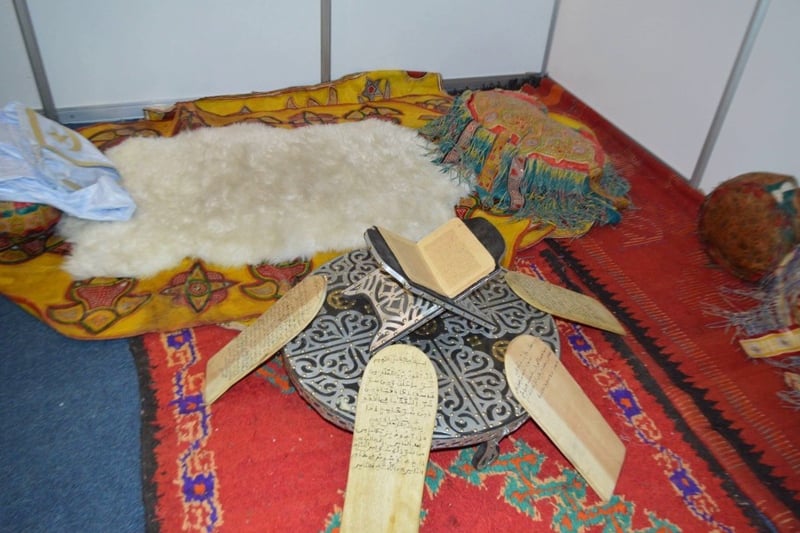
Iftar opens with dates and a multi grain soup, followed by “zrig,” a fermented milk drink served in wooden cups and considered essential whether made from camel or sheep milk. Tea, or “atay,” is central to the meal and to hospitality, served before and after eating.
A second dish often features grilled or stewed meat, though rising camel and sheep prices have strained some households. Despite rich southern fisheries, fish appears less frequently on Ramadan tables, partly due to higher prices and cultural preferences.
Evenings turn social, as women gather to play “sik,” a competitive stick game marked by chants and celebration, and “akrour,” a skill based stone game. Men, especially elders, play “dama,” a strategy game akin to chess. These gatherings sustain communal bonds, even as modern entertainment gradually reshapes Ramadan nights.





add your comment
Terms of publication : Not to offend the writer, people, sacred things, or attack religions or the divine self, and refrain from racist incitement and insults.