Heavy rain and rising rivers have forced Moroccan authorities to take unusual precautionary and emergency measures in many parts of the country.
With continued rainfall expected next week, local and national officials are acting to protect people, close dangerous routes, and manage floods, especially in the northwest where dams are near capacity.
Ksar El Kebir, Loukkos basin, and nearby towns
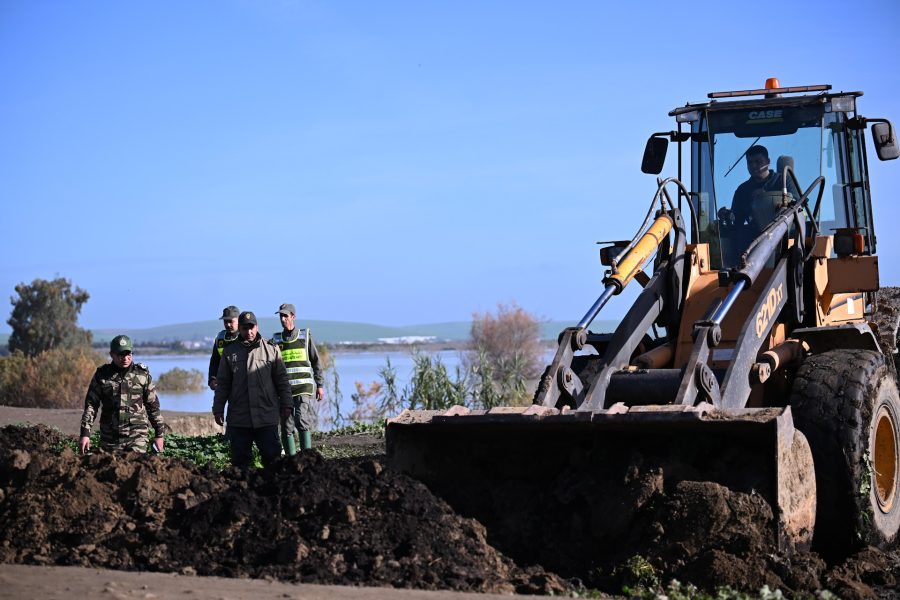
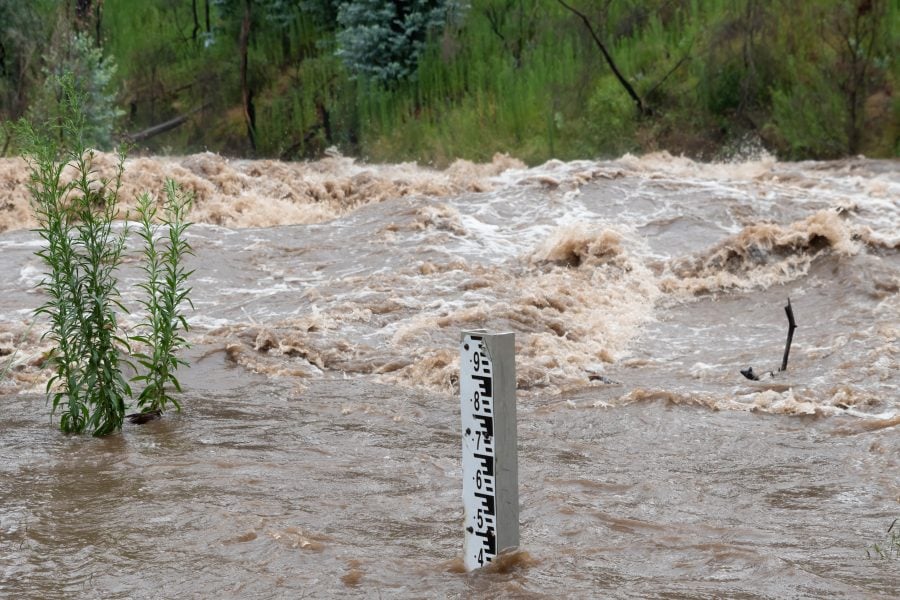
In the northwest, particularly around Ksar El Kebir, weeks of torrential rain combined with water releases from nearly full dams caused the Loukkos River to spill over.
In response, the Royal Armed Forces and rescue units were deployed to help evacuate people from flooded neighbourhoods. Thousands of residents have been moved to temporary shelters and camps as floodwaters rose.
Importantly for farmers and shepherds, about 1,180 sheep and 200 cattle were moved to safe areas alongside residents.
Sandbags and temporary barriers were placed in flood‑prone districts as waters began to recede, aiming to slow further inundation.
Schools in Ksar El Kebir have been ordered closed until at least February 7 as a precautionary step to keep students safe.
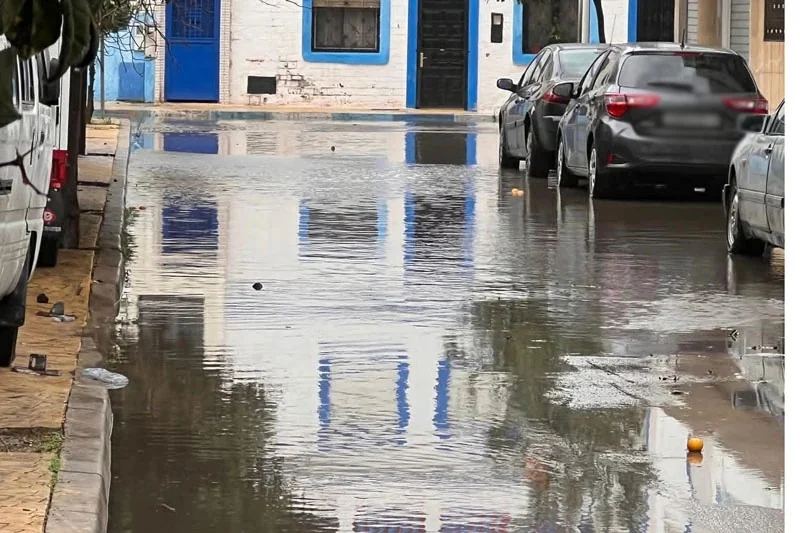
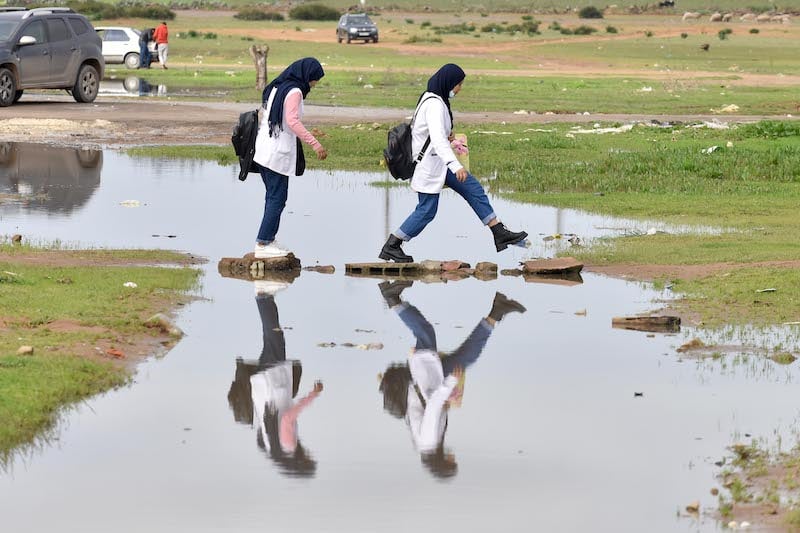
Local authorities warned residents not to cross flooded streets or low‑lying roads, urging people to avoid travel until conditions improve.
In surrounding areas near Sidi Kacem, where the Sebou River’s levels are rising, several villages saw evacuations and heightened vigilance to stay ahead of potential flooding.
Kenitra and surrounding provinces
In parts of Kenitra province, rising water in rivers and wadis prompted education and local authorities to take extra precautions.
Schools in multiple municipalities, including Souk Tlat El Gharb, Sidi Allal Tazi, Mogrene, Benmansour, Mnasra and others, were suspended starting February 2 until further notice because of flood risks.
Provincial monitoring committees also issued statements urging families, students and staff to stay informed and avoid unnecessary travel through areas where water is pooling or flowing rapidly.
Sidi Kacem and nearby valley areas
Just inland from the Atlantic coast, Sidi Kacem province has also seen precautionary steps to safeguard communities.
Authorities suspended classes in multiple schools across villages such as Al Qassim Al Shabi, Bir Taleb, El Mrija, Taoughilt, Al Hawafat, and others because of severe rain and flooding risks.
Local officials said the decision came in coordination with provincial and educational authorities to ensure students and staff remain out of harm’s way until weather conditions stabilize.
In some low‑lying communal centres, emergency teams have checked bridges, cleared small waterways, and prepared trucks and personnel to respond quickly in case river levels rise suddenly.
Tetouan–Chefchaouen corridor and northern transport routes
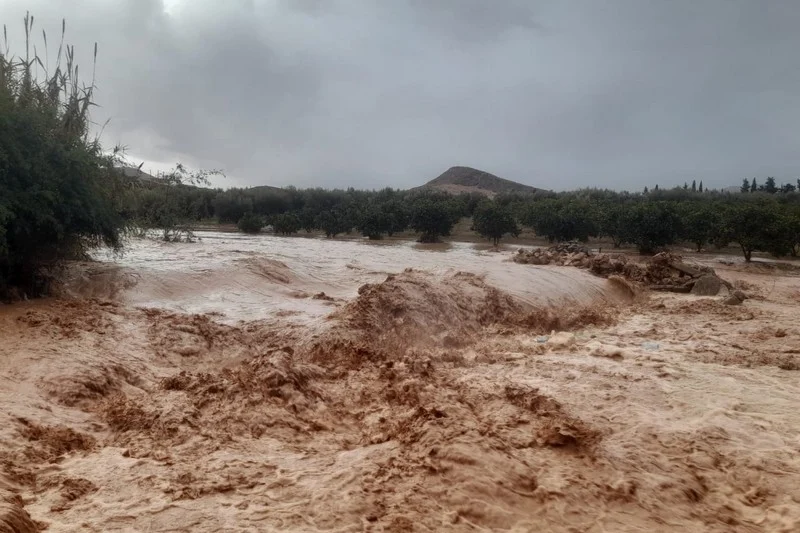
The national road between Tetouan and Chefchaouen was blocked when water from the Seflaou wadi overflowed onto the surface, cutting off part of the route and forcing authorities to warn motorists to avoid crossing flood‑affected sections until water levels fall.
Flooded river crossings in rural road segments also delayed travel toward interior areas like Ouezzane and Fez, prompting urgent travel advisories from provincial safety bodies.
Beyond Ksar El Kebir and Kenitra, education authorities in other parts of the north have also taken steps in anticipation of worsening weather.
In Al Hoceima province, provincial education officials issued guidance to school principals on how to decide whether to suspend classes from Feb. 2–3 based on evolving local conditions, with student and staff safety highlighted as the key priority.
Media reports from northern regional outlets confirm that schools across the region await official updates; this follows similar decisions in recent days to suspend classes where risk is highest.
While the northwest remains the focal point, authorities nationwide are reinforcing readiness. Weather alerts from the national meteorological service warn that rain and thunderstorms will continue across the north, west, and central zones in the coming days, increasing flood risks in valleys, plains and river basins.
The Interior Ministry has urged avoidance of non‑essential travel, particularly on roads near wadis, and warned drivers not to cross waterways that could flood suddenly.
Emergency and provincial “vigilance committees” have been activated in several regions to monitor rivers, coordinate civil protection teams, and issue timely warnings if water levels change rapidly.





add your comment
Terms of publication : Not to offend the writer, people, sacred things, or attack religions or the divine self, and refrain from racist incitement and insults.