
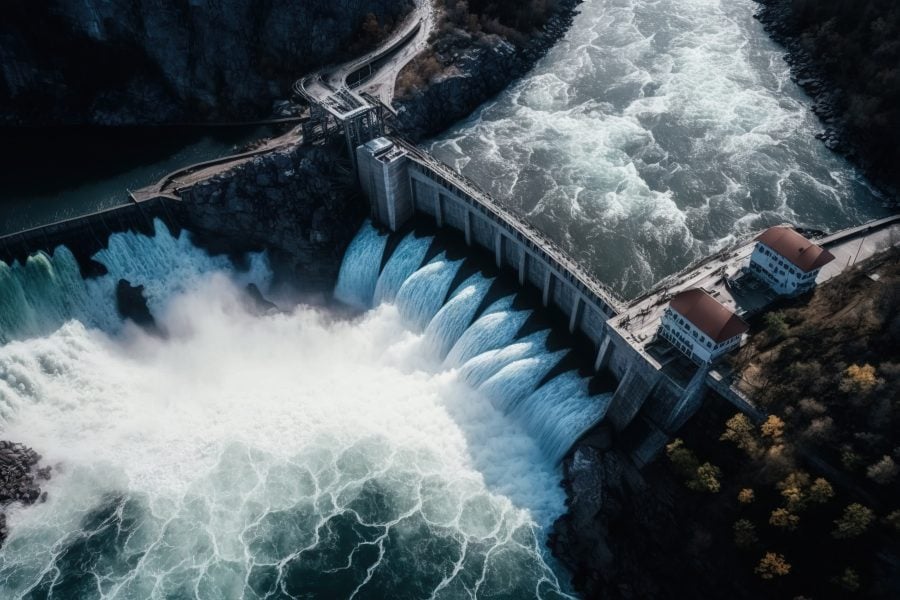
Morocco’s Sebou basin agency has launched a controlled water release from the Al Wahda dam, the country’s largest reservoir, as torrential rain rapidly lifted storage levels and shifted the policy focus from drought management to flood prevention across key northern catchments.
The agency said the release could reach about 250 cubic metres per second, a rate designed to protect the structure and preserve room for further inflows, with the operation scheduled to begin on Thursday afternoon.
Th agency formally notified local authorities in the Sebou basin to take precautions downstream ahead of the discharge.
A source at the Sebou basin agency told Hespress the situation was “under full control,” describing the discharge as “a normal flow, technically calibrated to protect the safety of Al Wahda dam,” while stressing that “the safety of residents downstream, or living along the basin’s rivers, remains the first priority.”
The source added that monitoring is continuous and coordinated “around the clock” with relevant authorities to manage stocks “under strict risk prevention standards.”
The move comes as Morocco’s dam stocks have rebounded sharply in recent weeks after sustained rainfall, with national reserves climbing to their highest level since 2019, according to ministry based figures cited by financial daily Finances News Hebdo.
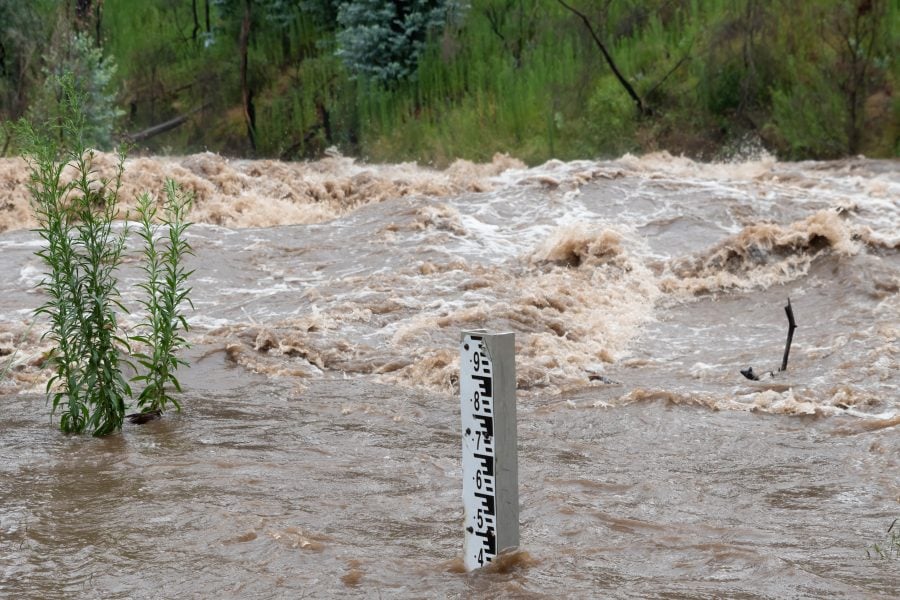
At Al Wahda, official updates shared on the ministry linked Maa Dialna platform indicated exceptional inflows over the past day from the Ouergha river system, underlining how quickly the balance can swing from scarcity to operational risk when major reservoirs approach high fill levels early in the wet season.
Risk monitors have repeatedly warned that delayed payments, infrastructure strain and climate volatility can compound into cascading disruption when extreme weather hits, making preventive releases and clear coordination between basin agencies, civil protection and local authorities central to limiting damage.
Mohamed Benabou, a water engineer and environmental association official, said the recent rainfall “changed Al Wahda from a worrying drought situation to comfortable filling indicators,” adding that the current level of about 80.6 percent is significant even if it remains below the 2018 peak of over 94.7 percent.
He described the release as “a preventive operation first and foremost,” and “a routine technical procedure” intended to avoid structural pressure while keeping management “precise and balanced” under climatic volatility, saying it is controlled through field monitoring and close coordination with local authorities and civil protection.







add your comment
Terms of publication : Not to offend the writer, people, sacred things, or attack religions or the divine self, and refrain from racist incitement and insults.