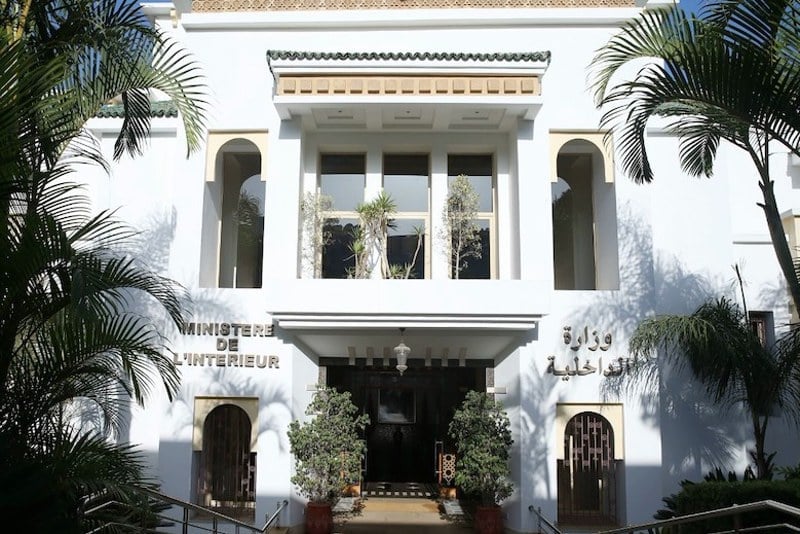
Reports submitted by regional internal affairs departments have raised serious concerns within Morocco’s Interior Ministry over the quality of local consultations tied to a new generation of territorial development programs, according to informed Hespress AR sources.
The reports, prepared by internal affairs units in the regions of Casablanca-Settat, Marrakech-Safi, Rabat-Salé-Kenitra, Fes-Meknes and Tangier-Tetouan-Al Hoceima, prompted heightened scrutiny from the ministry’s central services, particularly the Directorate General of Territorial Communities, the sources said.
According to the findings, dozens of local consultation sessions meant to shape integrated territorial development plans were marked by limited substance and weak contributions from some civil society groups, political actors and elected officials.
The reports documented what they described as a lack of proposal capacity among certain associations and participants, with some groups falling into what officials viewed as premature electoral positioning. These associations were allegedly mobilized to serve the agendas of local and regional political figures, rather than to present clear programs or long-term development visions.
The sources said the reports highlighted structural shortcomings among several civil society organizations, including limited expertise, weak organizational capacity and an absence of strategic planning, undermining their ability to contribute meaningfully to the consultation process.
Newly appointed and veteran provincial governors were reportedly surprised by the low level of interventions from some elected officials and civil society representatives during the expanded workshops launched by the territorial administration. The meetings were organized in line with royal guidance outlined in the Throne Day speech and a ministerial circular calling for a new generation of development plans.
Instead of focusing on designated workshop themes, such as health, education, basic infrastructure and employment, some sessions reportedly devolved into protests over perceived marginalization of specific civic or electoral constituencies.
Internal affairs reports also noted that several elected officials used consultation meetings to push narrowly focused demands, including street paving, pothole repairs and neighborhood sports fields. Officials said such interventions shifted discussions toward early campaign-style rhetoric, at the expense of larger, priority projects related to urban upgrading, roads, bridges, public facilities and new transport links aimed at reducing territorial isolation.
According to the Hespress AR sources, these deviations ran counter to royal directives and Interior Ministry guidance stressing that territorial development programs should be based on clearly defined priorities, measurable impact and coordinated action among all stakeholders.
The ministry’s framework emphasizes job creation aligned with local economic potential, improved access to core social services, particularly education and health care, and the sustainable, forward-looking management of water resources.
The reports come as the Interior Ministry’s central administration holds a series of meetings with other government departments, notably the Ministry of Equipment and Water, to avoid shortcomings similar to those identified in the program to reduce territorial and social disparities.
That program, with a budget of 50 billion dirhams ($5 billion), was subject to a detailed audit by the General Inspectorate of Territorial Administration, which identified multiple irregularities that prevented the completion of 1,464 projects aimed at narrowing regional development gaps.



add your comment
Terms of publication : Not to offend the writer, people, sacred things, or attack religions or the divine self, and refrain from racist incitement and insults.