
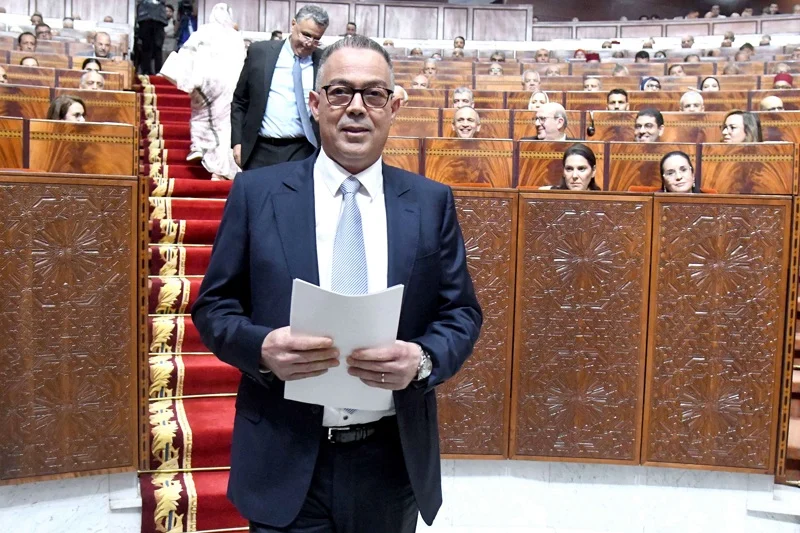
Morocco’s rise in international football is the result of long-term planning rather than short-lived success, Royal Moroccan Football Federation President Fouzi Lekjaa said in an interview with French magazine France Football.
Lekjaa said the federation deliberately avoided chasing immediate results, choosing instead to build a coherent football system based on infrastructure investment, youth development, and professional management.
“The objective was never to win a single competition or achieve an isolated success,” he said. “It was to build a complete football ecosystem, from grassroots to elite level.”
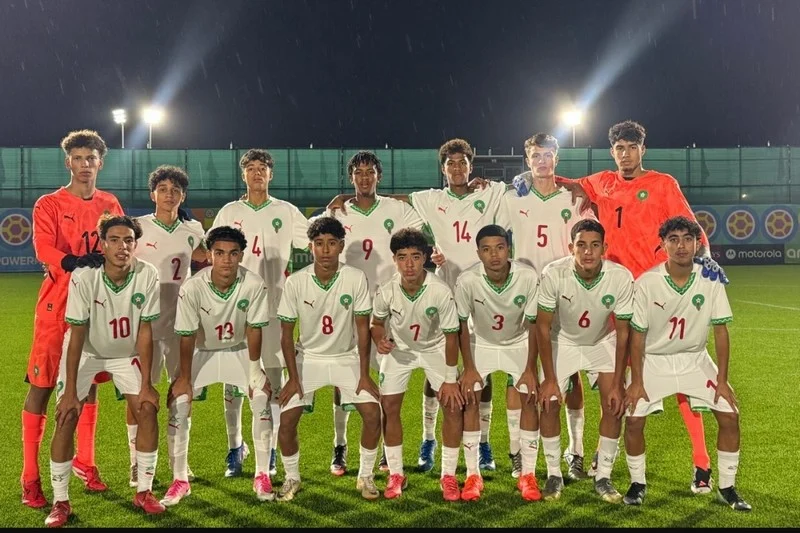
He said the federation focused heavily on youth development, particularly players between the ages of 10 and 20, describing that period as decisive in shaping footballers. The approach, he added, aimed to strengthen institutions without dismantling previous achievements.
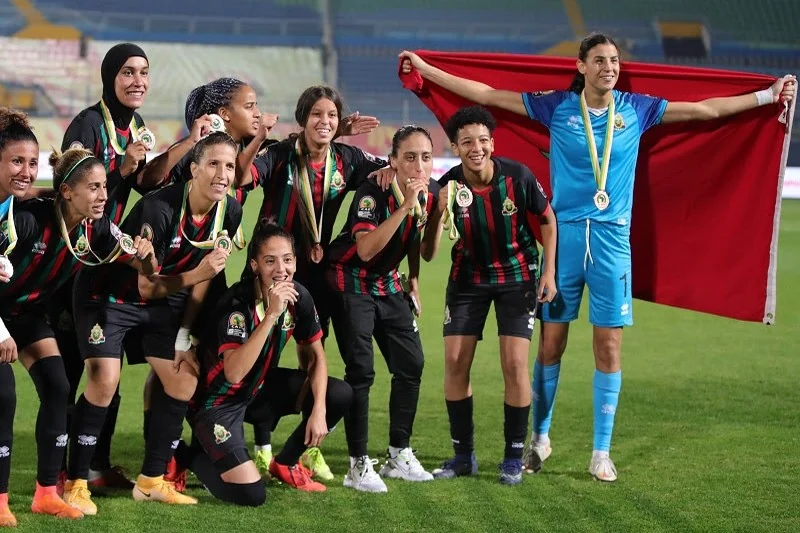
Lekjaa said Morocco’s national project extends beyond the men’s senior team, encompassing women’s football, youth categories, and futsal, alongside efforts to modernize training methods and develop human resources.
On African football more broadly, Lekjaa acknowledged a persistent gap between Africa and Europe, which he attributed not only to financial disparities but also to differences in governance, organization, and continuity.
Morocco, he said, chose to confront this challenge by building its own model, emphasizing institutional stability, high-quality infrastructure, and stronger integration into both continental and global football systems.
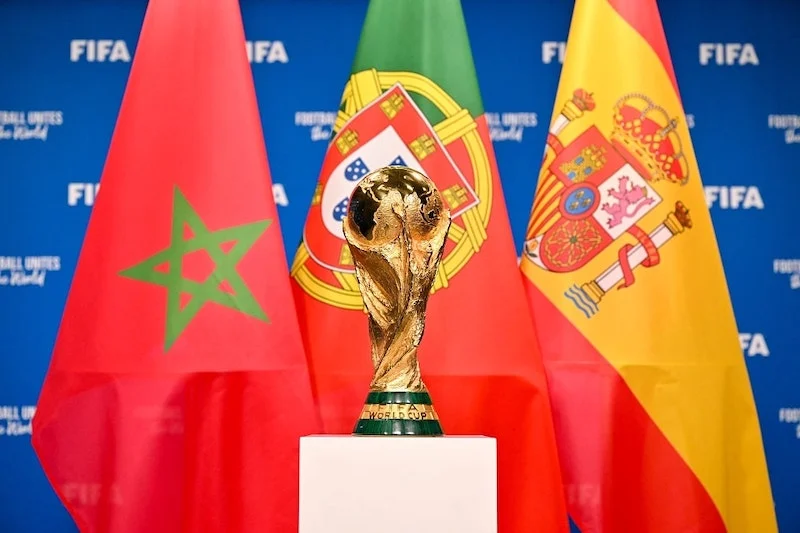
Lekjaa also highlighted the symbolic and sporting importance of the 2030 World Cup, which Morocco will co-host with Spain and Portugal. He described the tournament as historic, marking the first time Africa and Europe jointly host football’s biggest event.
Appointed by King Mohammed VI in October 2023 as head of the 2030 World Cup Committee, Lekjaa said the tournament could open the door to new forms of cooperation between the two continents.
He floated the idea of joint European-African competitions, saying the question is no longer whether such tournaments are possible, but how they can be designed in a balanced and intelligent way.
If well structured, he said, such competitions could raise the profile of African football, provide higher-level competition for emerging talent, and strengthen sporting ties without reinforcing domination or exploitation.
Lekjaa said Morocco aims not only to host major tournaments but also to play a central role in advancing African football through knowledge-sharing, improved governance, and training of technical staff.
He concluded that the post-2030 World Cup era requires fresh thinking about the future of football at both African and global levels, adding that Morocco is ready to contribute, drawing on an accumulated experience built on long-term planning, steady work, and balanced partnerships.
add your comment
Terms of publication : Not to offend the writer, people, sacred things, or attack religions or the divine self, and refrain from racist incitement and insults.